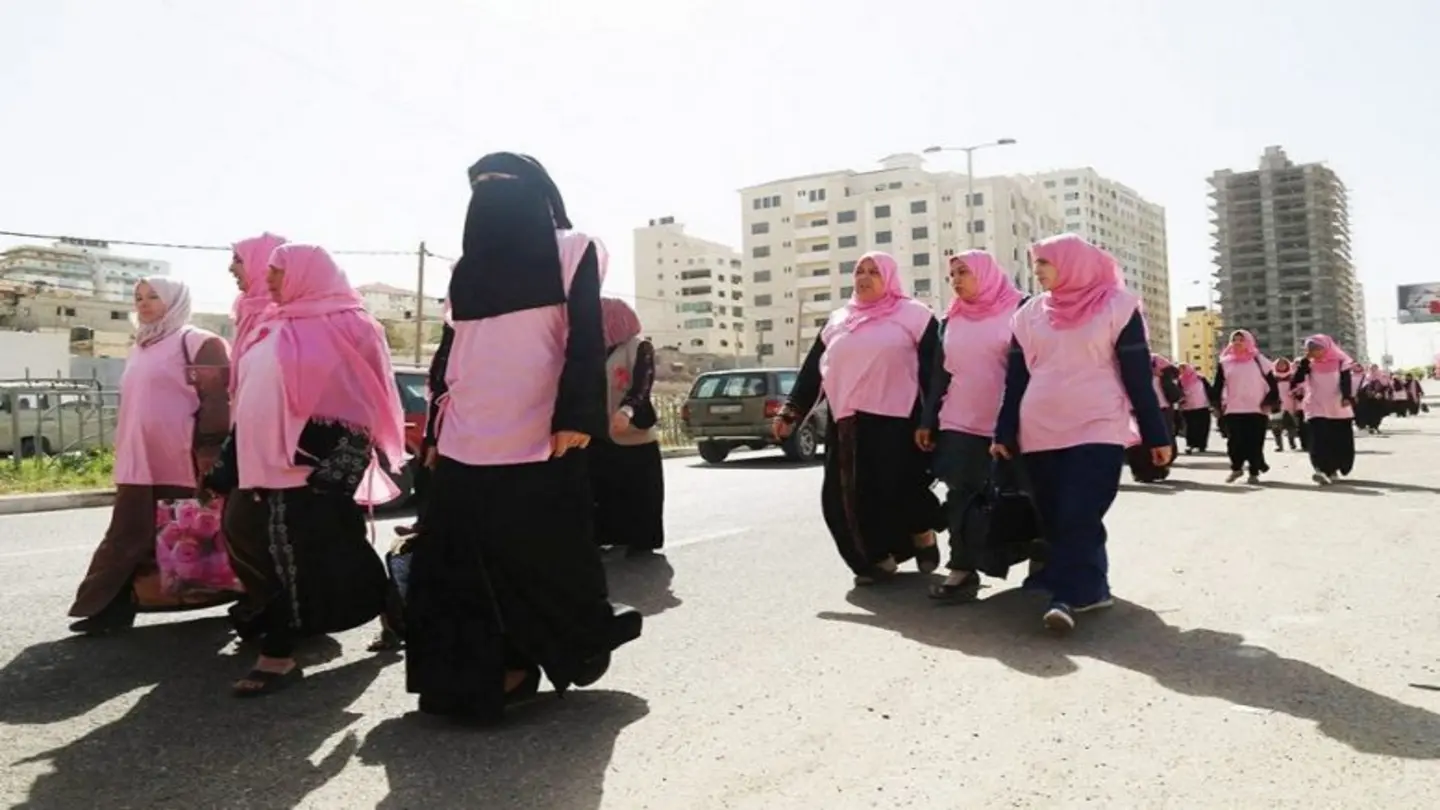
October marks Breast Cancer Awareness Month, a global initiative to raise awareness about the disease, promote early detection, and support research efforts. The World Health Organization (WHO) is using this month to highlight crucial information about breast cancer symptoms and the importance of early diagnosis. Breast cancer remains one of the most common cancers among women worldwide, making awareness campaigns like this vital for public health.
According to the WHO, a combination of symptoms should prompt immediate medical consultation. These symptoms can vary significantly from person to person, and not all individuals will experience the same signs. However, being aware of potential indicators can significantly improve the chances of early detection and successful treatment.
Key Symptoms to Watch For
The most commonly recognized symptom is a new lump or thickening in the breast or underarm area. It’s essential to note that not all lumps are cancerous, but any new or unusual changes should be examined by a healthcare professional. Other symptoms include changes in the size, shape, or appearance of the breast. This can manifest as swelling, distortion, or an alteration in the natural contour of the breast.
Skin changes, such as dimpling, puckering, redness, or scaling on the breast skin, are also significant warning signs. Nipple changes, including inversion, retraction, or discharge (other than breast milk), warrant immediate medical attention. Pain in the breast or nipple area is less common but can sometimes be a symptom of breast cancer. It’s crucial not to dismiss persistent or unexplained pain.
The WHO emphasizes that the combination of these symptoms can be particularly concerning. For instance, a lump accompanied by skin changes or nipple discharge requires prompt evaluation. Early detection through regular self-exams, clinical breast exams, and mammograms (where available) remains the cornerstone of breast cancer control.
Importance of Early Detection
Early detection dramatically increases the likelihood of successful treatment and improved outcomes. When breast cancer is detected at an early stage, treatment options are often less aggressive, and the chances of survival are significantly higher. Furthermore, early detection can reduce the need for extensive surgery, chemotherapy, or radiation therapy.
The WHO advocates for comprehensive breast cancer control programs that include awareness campaigns, screening initiatives, and access to quality treatment and care. These programs are designed to empower women with the knowledge and resources they need to take control of their breast health. By promoting awareness and early detection, the global community can make significant strides in reducing the burden of breast cancer and improving the lives of those affected by the disease.
This Breast Cancer Awareness Month serves as a reminder to stay informed, proactive, and vigilant about breast health. Consult a healthcare professional if you notice any unusual changes or have concerns. Prioritizing early detection is key to saving lives and improving the outlook for individuals diagnosed with breast cancer.
Image Source: Google | Image Credit: Respective Owner