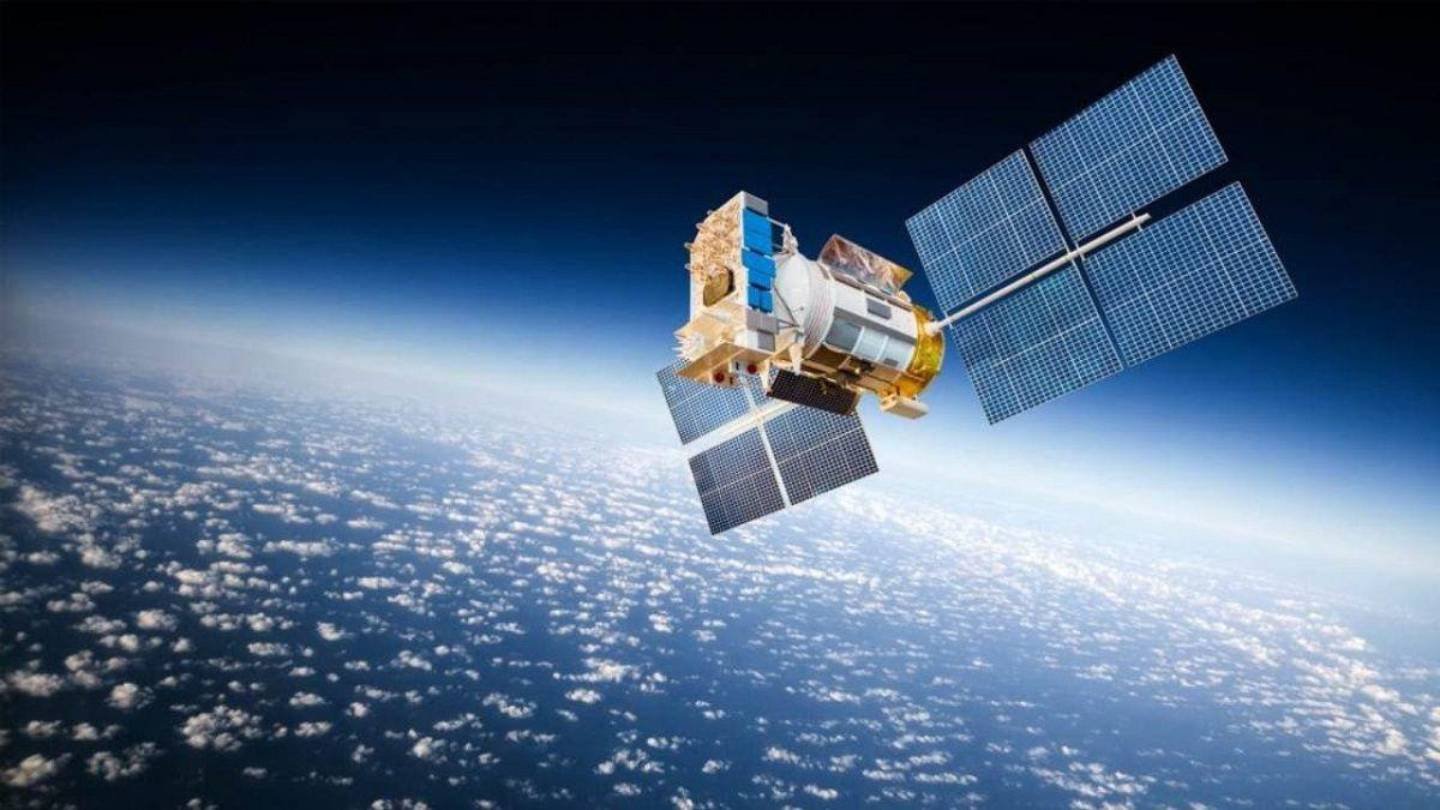
The Indian Space Research Organisation (ISRO) has announced the completion of 10 years of operations for AstroSat, India’s first dedicated multi-wavelength space observatory. Launched on September 28, 2015, AstroSat has significantly contributed to astronomical research, providing valuable insights into the universe across a wide range of electromagnetic spectrum.
AstroSat carries five unique payloads that cover different parts of the electromagnetic spectrum, from ultraviolet to high-energy X-rays. This allows scientists to observe celestial objects simultaneously in multiple wavelengths, providing a more complete understanding of their properties and behavior. The payloads include the Ultraviolet Imaging Telescope (UVIT), the Large Area X-ray Proportional Counter (LAXPC), the Soft X-ray Telescope (SXT), the Cadmium Zinc Telluride Imager (CZTI), and the Scanning Sky Monitor (SSM).
Key Discoveries and Contributions
Over the past decade, AstroSat has made numerous groundbreaking discoveries. It has detected extreme ultraviolet emissions from galaxies, providing crucial information about star formation processes. It has also studied black holes, neutron stars, and other exotic objects, shedding light on their fundamental properties. The satellite’s data has been used to study the evolution of galaxies, the dynamics of active galactic nuclei, and the nature of dark matter.
AstroSat’s observations have also contributed to the understanding of transient events in the universe, such as gamma-ray bursts and supernova explosions. The satellite’s ability to observe these events in multiple wavelengths has allowed scientists to probe the physical processes that drive them. Furthermore, AstroSat has played a crucial role in the discovery of new celestial objects, including new binary stars and new types of supernovae.
The data from AstroSat is publicly available, and has been used by researchers from all over the world. This has led to a large number of scientific publications, and has helped to train a new generation of astronomers. ISRO has lauded the mission’s success in fostering international collaboration and promoting scientific knowledge.
The mission has exceeded its initial design life of five years and continues to operate efficiently, providing valuable data to the scientific community. ISRO is planning to extend the mission further, with the aim of continuing to explore the universe and unravel its mysteries. AstroSat serves as a testament to India’s growing capabilities in space science and technology.
Looking ahead, the AstroSat mission aims to further refine our understanding of black hole environments, probe the intricacies of galaxy evolution, and unravel the mysteries of high-energy phenomena across the cosmos. The legacy of AstroSat extends beyond its scientific discoveries, inspiring future generations to pursue careers in astronomy and astrophysics. The mission’s impact will be felt for years to come, solidifying India’s position as a major player in space-based research.
Image Source: Google | Image Credit: Respective Owner