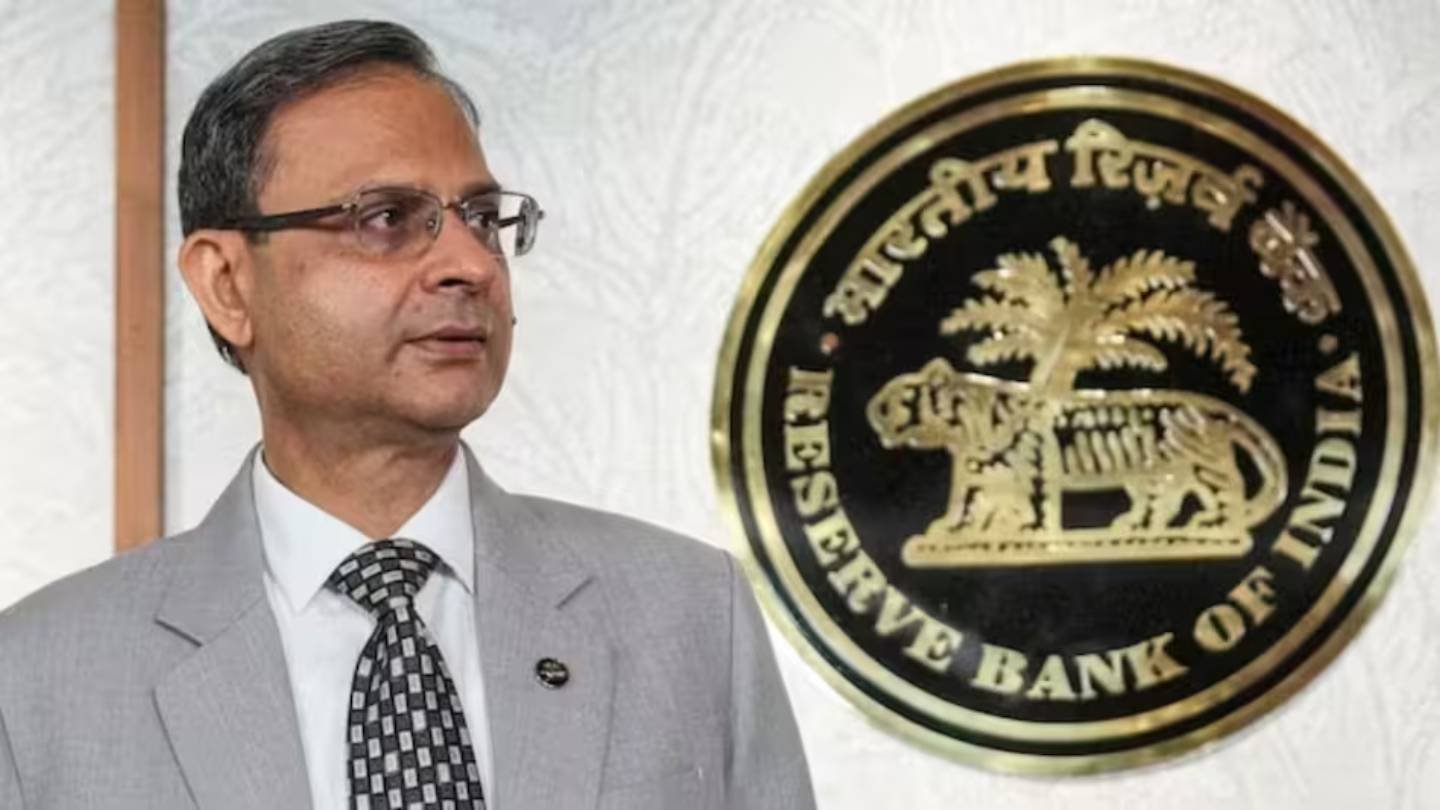
The Reserve Bank of India (RBI) has announced its decision to keep the repo rate unchanged at 5.5% during the latest Monetary Policy Committee (MPC) meeting. This decision reflects the central bank’s ongoing assessment of the economic landscape and its commitment to balancing growth and inflation. The MPC also decided to maintain a ‘neutral’ monetary policy stance, indicating that the RBI is neither leaning towards tightening nor easing monetary policy at this juncture.
Key Highlights of the RBI’s Decision
The unchanged repo rate means that commercial banks will continue to borrow money from the RBI at the same rate, influencing lending rates across the economy. This decision is influenced by a variety of factors, including domestic inflation trends, global economic conditions, and the need to support economic growth. The ‘neutral’ stance implies that the RBI is prepared to adjust its policy as and when required, based on evolving economic data and conditions.
Several economists had anticipated this decision, citing concerns over persistent inflationary pressures and the need to anchor inflation expectations. The RBI’s monetary policy stance is crucial in guiding market sentiment and influencing investment decisions. By keeping the rate steady, the RBI aims to provide stability and predictability to the financial system.
The decision comes amidst a complex global economic environment, characterized by uncertainties surrounding trade tensions, geopolitical risks, and fluctuating commodity prices. The RBI’s assessment of these factors plays a significant role in shaping its monetary policy decisions. The central bank’s commitment to maintaining price stability is a key element in fostering sustainable economic growth.
The MPC also considered various domestic factors, including the progress of the monsoon, the outlook for agricultural production, and the momentum of industrial activity. These factors influence the overall supply-demand balance in the economy and impact inflation dynamics. The RBI’s analysis of these trends is crucial in formulating an appropriate monetary policy response.
Furthermore, the RBI’s monetary policy decisions have implications for various sectors of the economy, including housing, automobiles, and infrastructure. The interest rate environment influences borrowing costs for businesses and consumers, affecting investment and spending decisions. Therefore, the RBI’s policy stance is closely watched by businesses, investors, and policymakers alike.
In conclusion, the RBI’s decision to keep the repo rate unchanged and maintain a ‘neutral’ stance reflects its cautious approach to navigating the current economic challenges. The central bank remains vigilant in monitoring inflation trends and global economic developments, and it is prepared to adjust its policy as needed to ensure price stability and sustainable economic growth.
Image Source: Google | Image Credit: Respective Owner