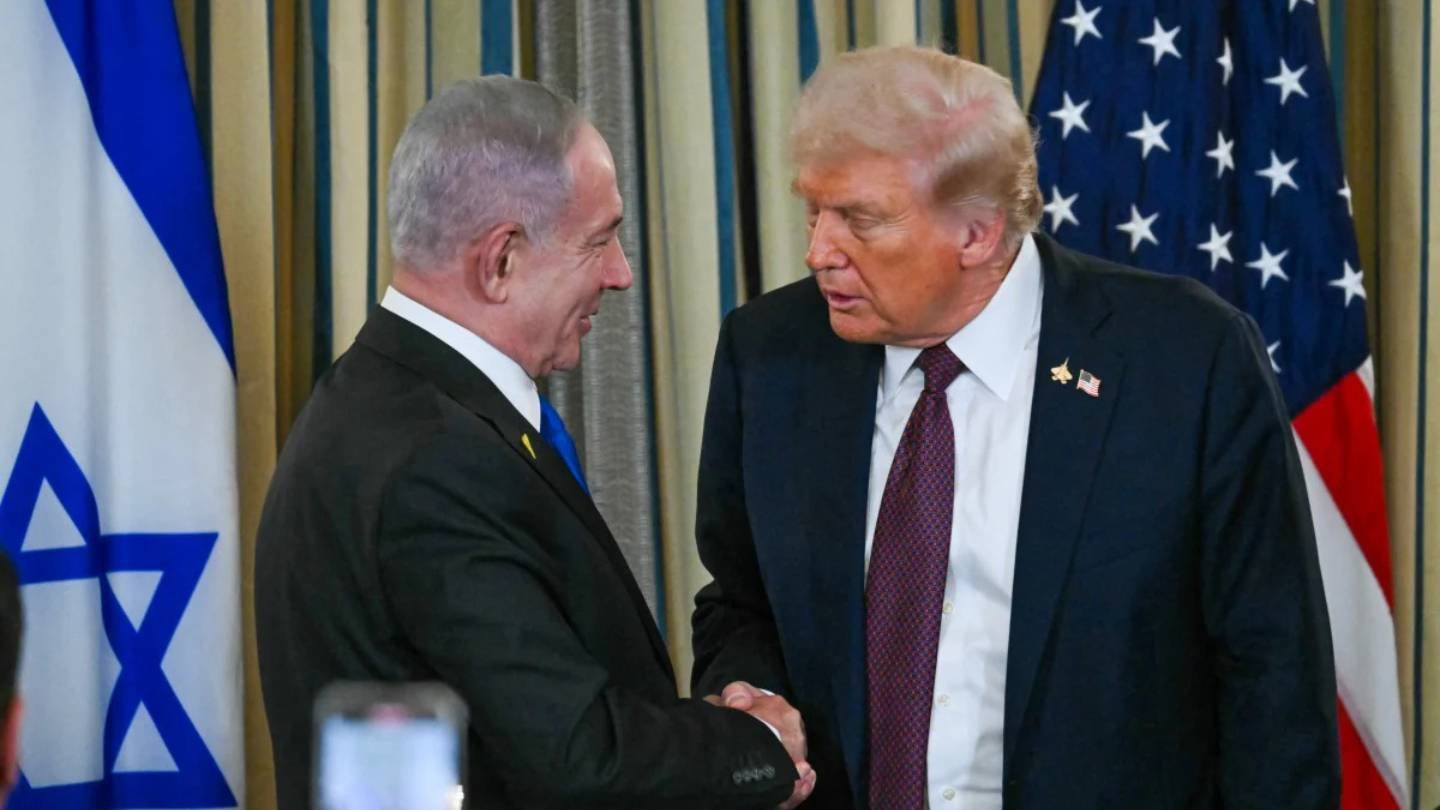
A recent report by India Today has ignited a controversy, suggesting that former US President Donald Trump and Israeli Prime Minister Benjamin Netanyahu may have misled Muslim countries regarding a peace plan for Gaza. The allegations center around the premise that these leaders presented a facade of inclusive negotiations while allegedly harboring alternative agendas. This has stirred significant debate within international diplomatic circles, particularly concerning the transparency and integrity of peace negotiations in the Middle East.
Allegations of Deception
The core of the accusation lies in the assertion that Trump and Netanyahu allegedly portrayed a commitment to a comprehensive and equitable peace plan that would be acceptable to Muslim countries. However, sources suggest that the actual strategies and intentions may have deviated significantly from this public stance. This perceived duplicity has led to accusations of undermining trust and potentially jeopardizing future peace prospects in the region. The report highlights specific instances where the leaders’ public statements seemed to contrast sharply with alleged behind-the-scenes maneuvers, further fueling the controversy.
The India Today report cites unnamed sources familiar with the diplomatic proceedings, claiming that key Muslim nations were led to believe that their concerns and interests would be central to the peace process. However, the alleged actions of Trump and Netanyahu suggest a different reality, prompting accusations of manipulation and strategic misrepresentation. This has raised concerns about the impact on international relations and the potential for a breakdown in diplomatic trust.
Reactions and Repercussions
The allegations have triggered strong reactions from various quarters, with some Muslim countries expressing outrage and demanding clarification. Critics argue that such actions, if proven true, could severely damage the credibility of future peace initiatives and exacerbate existing tensions in the region. Political analysts suggest that the fallout from this controversy could complicate efforts to achieve a lasting resolution to the Israeli-Palestinian conflict.
The controversy also extends to the domestic political arenas of both the United States and Israel. In the US, the allegations could further polarize opinions regarding Trump’s foreign policy decisions, while in Israel, the accusations could intensify scrutiny of Netanyahu’s leadership and diplomatic strategies. The unfolding situation underscores the complexities and sensitivities surrounding international peace negotiations, particularly in regions with long-standing conflicts.
Potential Impact on Future Negotiations
The long-term consequences of these allegations remain uncertain, but there is a growing concern that they could impede future attempts to broker peace in the Middle East. The need for transparency and trust in international diplomacy has been underscored, with many calling for greater accountability and a renewed commitment to genuine negotiations. The incident serves as a stark reminder of the challenges and potential pitfalls in the pursuit of peace in a volatile and politically charged environment. The focus now shifts to whether these allegations will lead to a re-evaluation of diplomatic strategies and a renewed emphasis on building trust and fostering open communication among all parties involved.
Image Source: Google | Image Credit: Respective Owner