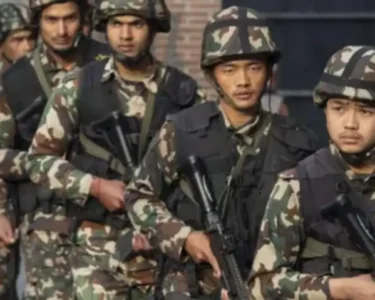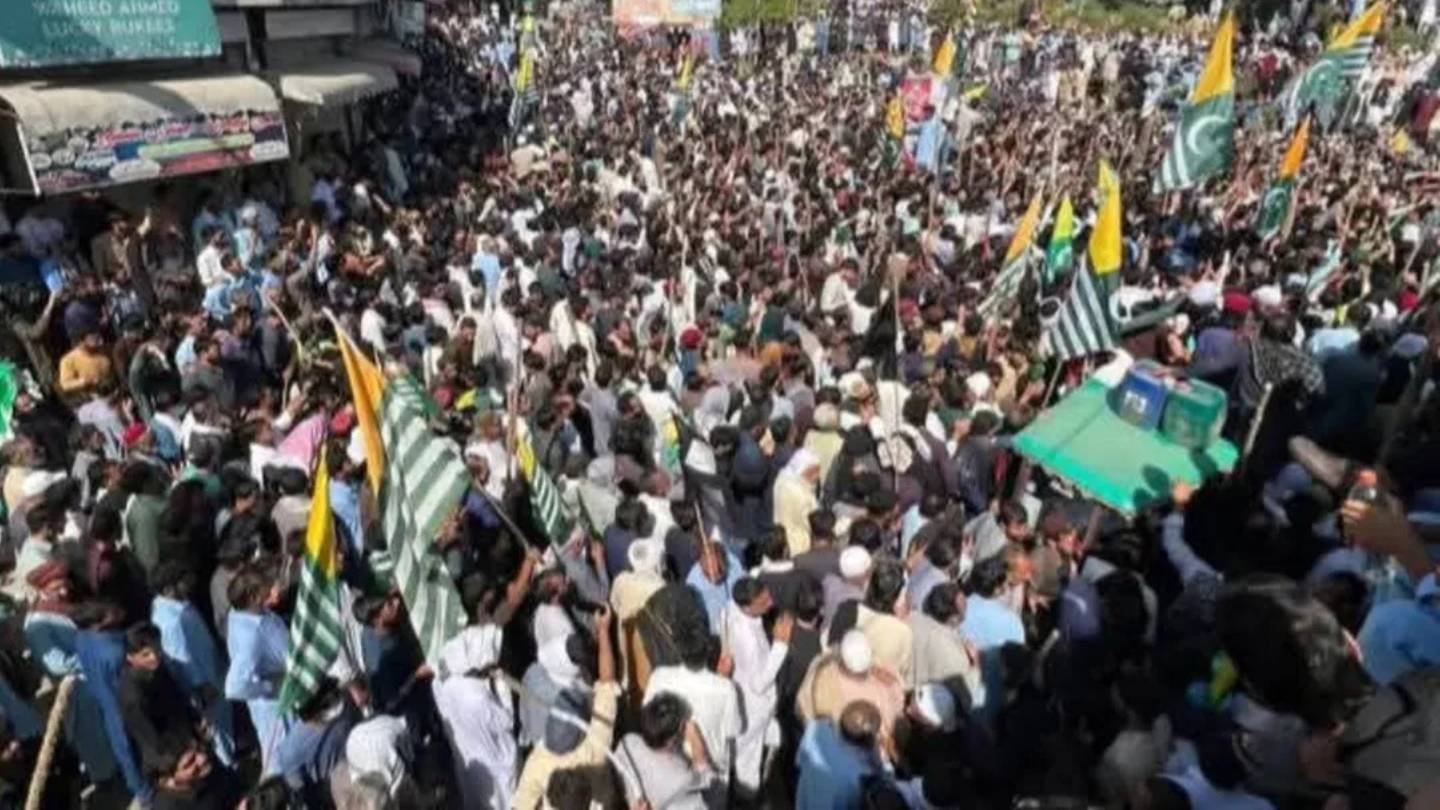
At least 12 civilians have reportedly been killed in firing and clashes during widespread protests across Pakistan-Occupied Kashmir (PoK). The unrest stems from long-standing grievances over economic hardship, lack of basic amenities, and perceived political marginalization. The protests, which have been ongoing for several days, escalated dramatically, leading to violent confrontations between demonstrators and law enforcement agencies.
Protests Escalate
Initial reports indicate that the clashes erupted when security forces attempted to disperse protesters who were blocking major roads and highways. The demonstrators, fueled by anger over rising inflation and unemployment, allegedly retaliated by throwing stones and setting vehicles on fire. The situation quickly spiraled out of control, with both sides resorting to increasingly aggressive tactics. The heavy-handed response by authorities has further inflamed tensions and drawn condemnation from human rights organizations.
The reported use of live ammunition by security forces has resulted in numerous casualties, including the confirmed deaths of at least 12 civilians. Scores more are believed to have been injured, with hospitals struggling to cope with the influx of patients. The exact circumstances surrounding the shootings remain unclear, with conflicting accounts emerging from various sources. Authorities claim that security forces were acting in self-defense, while protesters accuse them of using excessive force.
Government Response
The Pakistani government has yet to issue a comprehensive statement on the situation, but officials have reportedly called for calm and restraint. However, the deployment of additional security forces to the region suggests a determination to quell the unrest by force. Critics argue that a more nuanced approach, involving dialogue and concessions, is needed to address the underlying grievances of the population. The government’s handling of the crisis could have significant implications for stability in the region and Pakistan’s relations with its neighbors.
The protests in PoK highlight the complex and sensitive nature of the region, which has long been a source of contention between India and Pakistan. The unrest could further complicate efforts to resolve the territorial dispute and could potentially embolden separatist movements. The international community is closely monitoring the situation, with calls for both sides to exercise restraint and engage in peaceful dialogue. The long-term consequences of the current crisis remain to be seen, but it is clear that the situation in PoK is precarious and demands urgent attention.
The internet and mobile phone services have been suspended in several parts of PoK, making it difficult to verify information and assess the full extent of the unrest. Independent journalists and human rights observers have been denied access to the affected areas, raising concerns about transparency and accountability. The lack of reliable information has further fueled speculation and misinformation, making it even more challenging to de-escalate the situation.
Image Source: Google | Image Credit: Respective Owner