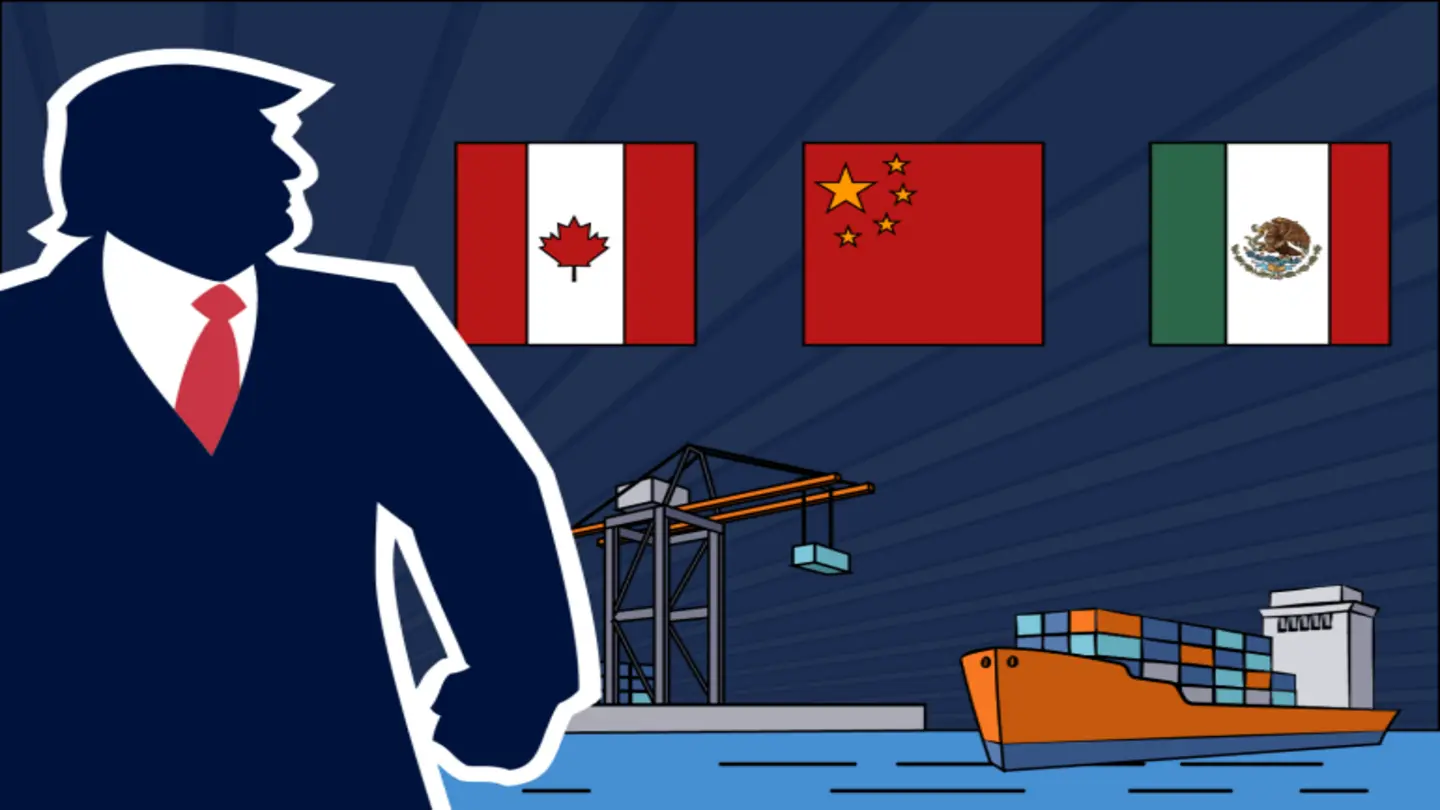
Former President Donald Trump has doubled down on his support for tariffs, asserting that they are beneficial for the United States and contribute to its economic prosperity. Speaking at a recent rally, Trump declared, “I love tariffs, most beautiful word,” reiterating a stance that defined much of his trade policy during his time in office. He argued that tariffs generate revenue for the country and incentivize domestic production, leading to increased wealth.
Trump’s remarks come amid ongoing debates about the effectiveness and potential consequences of tariffs on the global economy. Economists have long argued about whether tariffs ultimately benefit domestic economies, with some arguing that they protect domestic industries while others warn of potential price increases for consumers and retaliatory measures from other countries.
Trump’s Tariff History
During his presidency, Trump imposed tariffs on a range of goods, including steel and aluminum, primarily targeting China and other major trading partners. These actions sparked trade tensions and led to reciprocal tariffs, impacting businesses and consumers worldwide. While Trump maintained that these tariffs were necessary to level the playing field and bring jobs back to the United States, critics argued that they disrupted supply chains and increased costs for American businesses.
Trump’s emphasis on tariffs also aligns with his broader “America First” agenda, which prioritizes domestic interests and seeks to reduce the country’s reliance on foreign goods. He has repeatedly criticized trade deals such as the North American Free Trade Agreement (NAFTA), arguing that they have led to job losses and economic decline in the United States. He replaced NAFTA with the United States-Mexico-Canada Agreement (USMCA), claiming it was a better deal for American workers and businesses.
Economic Impact
The impact of Trump’s tariffs on the U.S. economy remains a subject of debate. Some studies suggest that the tariffs led to a decrease in trade and economic activity, while others argue that they had a limited impact or even boosted certain sectors. The Peterson Institute for International Economics, for example, estimated that Trump’s tariffs reduced U.S. real income by 0.4% in 2018. However, the Trump administration maintained that the tariffs were effective in achieving their intended goals, such as reducing trade deficits and promoting domestic manufacturing.
Trump’s continued advocacy for tariffs suggests that he may consider implementing similar policies if he were to return to office. His remarks have already generated discussion among policymakers and economists, who are weighing the potential implications of a renewed focus on tariffs.
“The United States is becoming rich as hell, and it’s all because of tariffs,” Trump stated, highlighting his belief that tariffs are a key driver of economic growth. However, whether this claim holds true will likely remain a contested issue, with ongoing analysis and debate about the long-term effects of tariffs on the U.S. and global economies. As Trump remains a prominent figure in American politics, his views on trade policy are likely to continue shaping economic discussions and influencing policy decisions.
Image Source: Google | Image Credit: Respective Owner