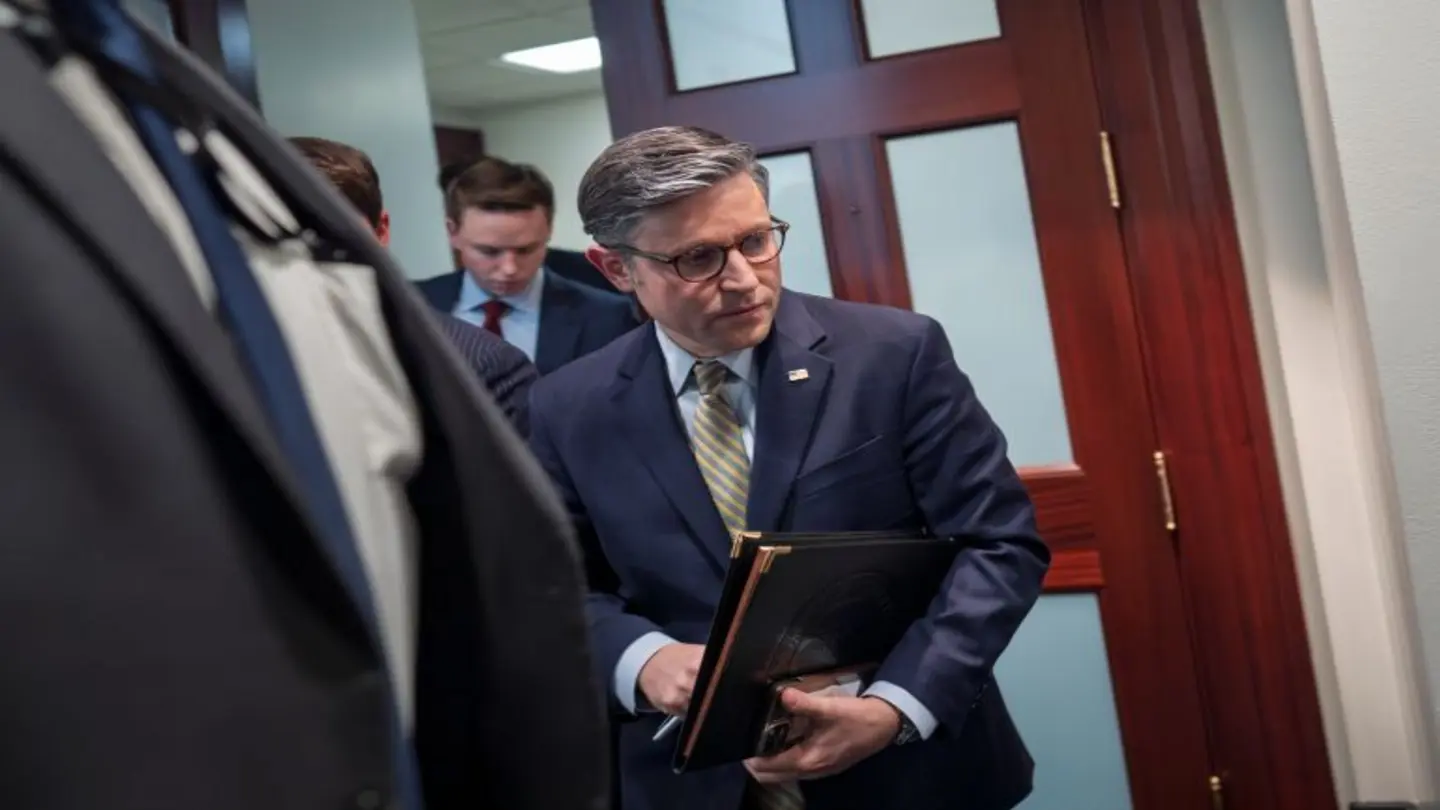
The United States government is teetering on the brink of a shutdown as lawmakers struggle to reach an agreement on funding before the deadline. The potential shutdown raises concerns about disruptions to various government services and the broader economy. A failure to pass appropriations bills could trigger a partial or complete cessation of non-essential government operations.
The current political climate, marked by partisan gridlock, has exacerbated the challenge of reaching a consensus. Republicans and Democrats hold differing views on spending priorities, making negotiations complex. Key sticking points include debates over funding levels for defense, social programs, and border security.
Potential Consequences of a Shutdown
A government shutdown could have wide-ranging effects. Federal employees may face furloughs, leading to delays in processing applications, issuing permits, and conducting inspections. National parks and museums could close, impacting tourism. Government agencies responsible for vital services, such as air traffic control and law enforcement, may operate with reduced staff, potentially compromising safety and security. The military could also be affected. A prolonged shutdown can erode public confidence in government and negatively impact the economy. Consumer spending and business investment may decline as uncertainty rises.
The economic consequences of a shutdown can be significant. Government shutdowns disrupt economic data collection, making it harder to assess the state of the economy. Contractors who rely on government contracts may face payment delays or cancellations, leading to job losses. The shutdown could delay tax refunds, further straining household budgets. Financial markets may react negatively, with stock prices potentially falling and interest rates rising. A prolonged shutdown could impact the nation’s credit rating.
Historical Perspective
Past government shutdowns offer insights into the potential impact of the current situation. Previous shutdowns have resulted in billions of dollars in economic losses and damaged the country’s reputation on the global stage. The length and severity of the shutdown determine the extent of the impact. Some shutdowns have been relatively brief, while others have lasted for weeks, exacerbating the negative consequences.
Negotiations are ongoing to avert a shutdown. Lawmakers face intense pressure to find common ground and pass funding bills that address the nation’s pressing needs. The White House has urged Congress to act swiftly and responsibly. The outcome remains uncertain, but the stakes are high. Failure to reach an agreement could trigger a shutdown with far-reaching consequences for government services, the economy, and the American people. The situation warrants close monitoring as the deadline approaches.
Image Source: Google | Image Credit: Respective Owner