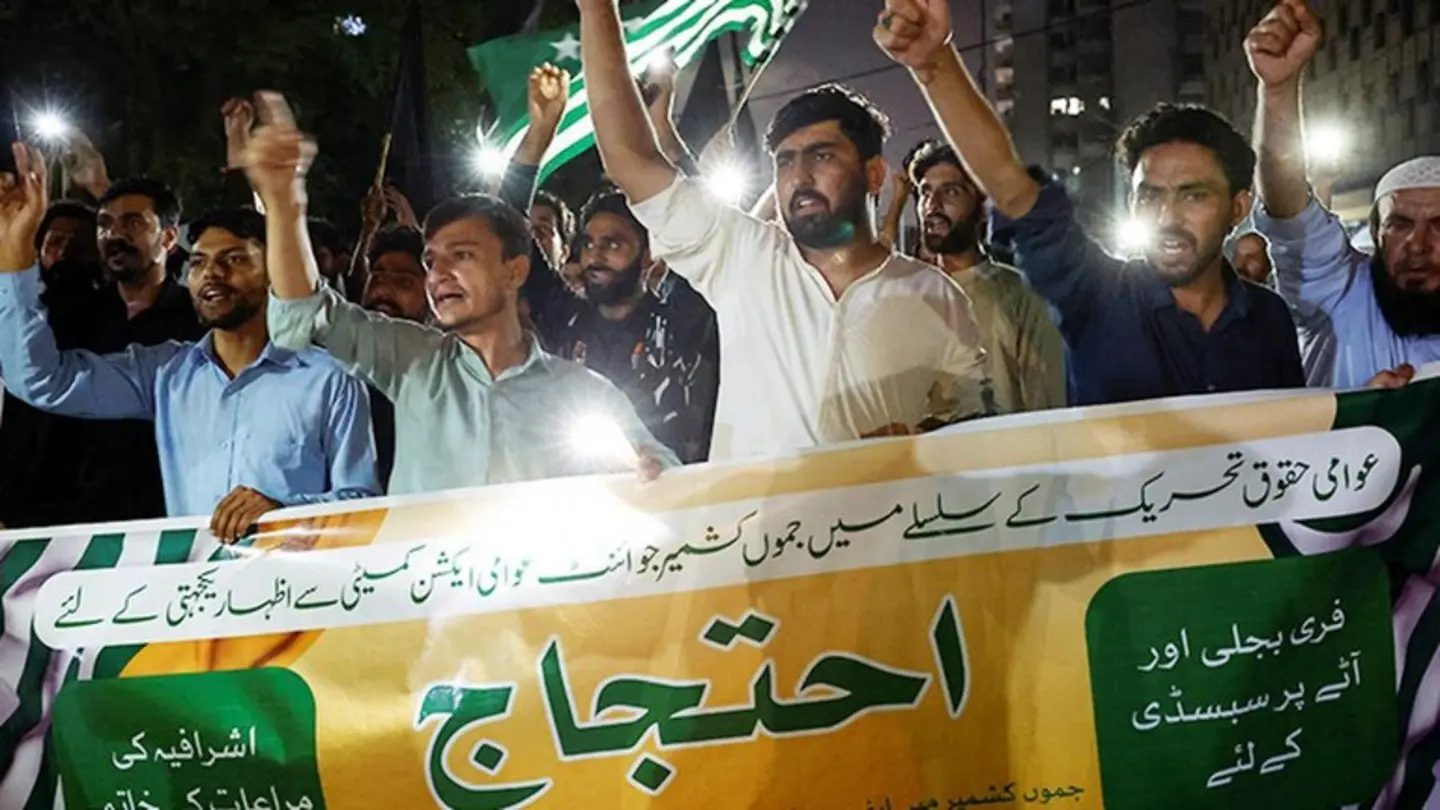
Recent events have cast a spotlight on the troubled state of Pakistan-Occupied Jammu and Kashmir (PoJK) and Pakistan’s broader policies in the region. A widespread shutdown in PoJK, coupled with a damning exposé at the United Nations by an activist, have brought renewed attention to the human rights situation and the underlying tensions fueled by Pakistan’s alleged support for terrorism.
The shutdown in PoJK, reportedly triggered by protests against the Pakistani administration, underscores the deep-seated resentment and discontent among the local population. Demonstrations against the lack of basic amenities, economic hardship, and political marginalization have become increasingly frequent, highlighting the failure of Pakistani authorities to address the grievances of the people in PoJK. The situation is further complicated by allegations of suppression of dissent and restrictions on freedom of expression, creating a climate of fear and mistrust.
Activist’s UN Testimony
Adding to Pakistan’s woes is the powerful testimony delivered by an activist at the United Nations, who exposed the country’s alleged role in sponsoring cross-border terrorism. The activist presented evidence of Pakistan’s support for various militant groups operating in the region, accusing the government of providing them with safe havens, training, and logistical support. These allegations, if proven true, could have serious implications for Pakistan’s international standing and its relations with other countries.
The timing of these events is particularly significant, as they coincide with increased scrutiny of Pakistan’s counter-terrorism efforts by international bodies. The Financial Action Task Force (FATF), a global watchdog on money laundering and terrorist financing, has repeatedly warned Pakistan to take concrete steps to curb terror financing and comply with international norms. Failure to do so could result in Pakistan being blacklisted, which would have severe economic consequences.
The convergence of the shutdown in PoJK and the UN exposé paints a grim picture of Pakistan’s Kashmir policy. On one hand, it faces growing unrest and discontent within PoJK, where the local population feels neglected and marginalized. On the other hand, it is under increasing pressure from the international community to address allegations of its support for terrorism. Navigating these challenges will require a fundamental shift in Pakistan’s approach, prioritizing dialogue, reconciliation, and respect for human rights.
The international community is closely watching the developments in PoJK and Pakistan’s response to the allegations of terrorism. A failure to address these issues effectively could further destabilize the region and undermine efforts to achieve lasting peace and stability. The onus is on Pakistan to demonstrate its commitment to addressing the root causes of conflict and promoting a more inclusive and just society in PoJK.
Image Source: Google | Image Credit: Respective Owner