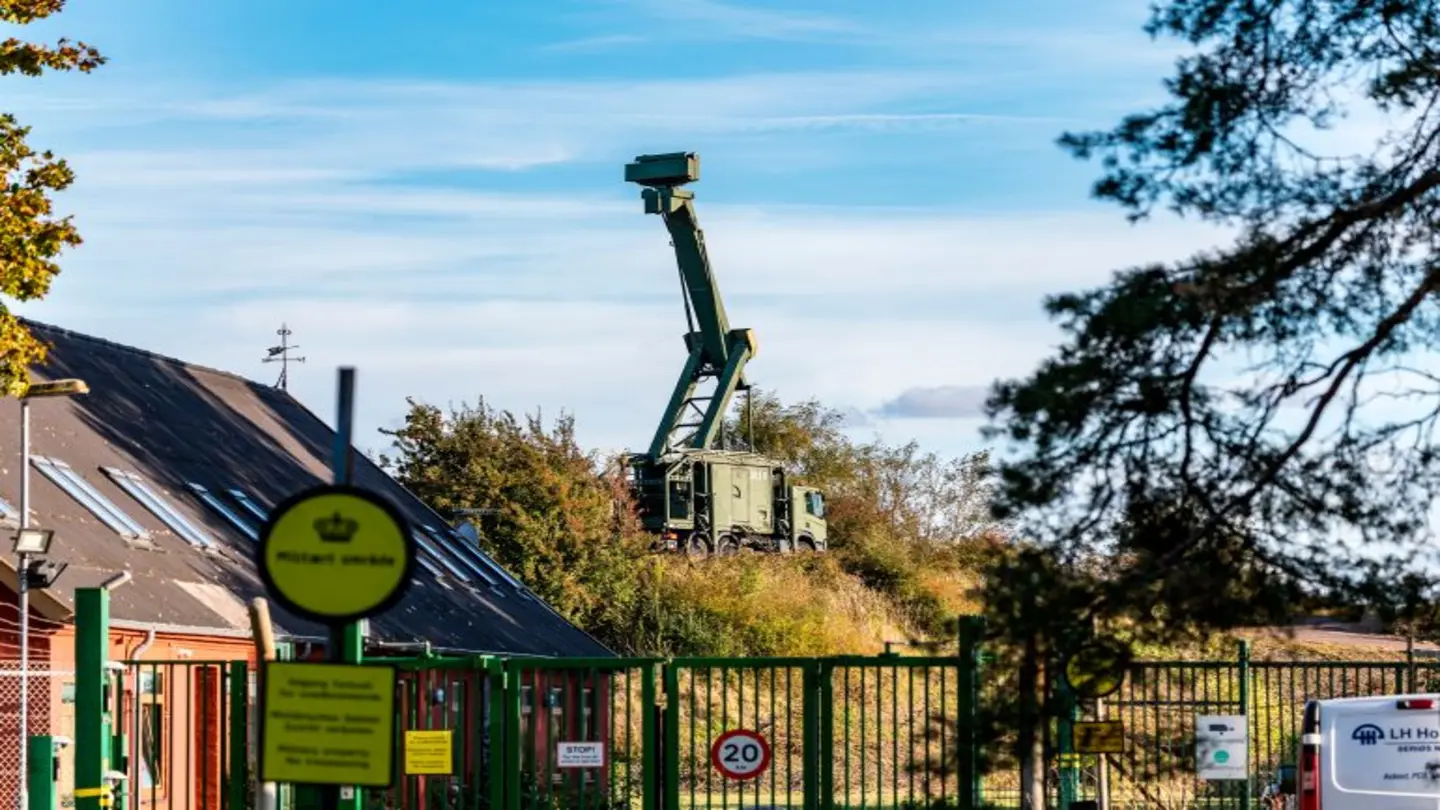
Denmark has implemented a temporary ban on civilian drones across the country as it prepares to host a visit from top European Union leaders. The move, announced by Danish authorities, is a precautionary measure aimed at ensuring the security and safety of the high-profile attendees during their stay. The ban, which took effect immediately, prohibits the operation of drones by private individuals and organizations until further notice. The decision underscores the heightened security concerns surrounding major international events and the potential risks associated with unmanned aerial vehicles.
Security Concerns and Precautionary Measures
The specific reasons for the ban have not been explicitly disclosed, but security experts suggest that it is likely a response to the increasing capabilities of drones and their potential use for surveillance or even malicious purposes. Drones can be equipped with cameras and sensors, making them capable of gathering sensitive information. In the wrong hands, they could pose a threat to public safety or compromise the security of visiting dignitaries. The temporary ban allows law enforcement and security agencies to maintain tighter control over the airspace and mitigate any potential risks.
The Danish government has emphasized that the ban is a temporary measure and will be lifted once the EU leaders’ visit concludes. Authorities have also indicated that they are working to minimize disruption to legitimate drone operators, such as those involved in commercial activities or scientific research. However, during the ban, anyone caught operating a drone could face fines or other penalties.
This isn’t the first time a nation has employed such tactics. Several countries have previously implemented similar restrictions during major events, such as international summits, sporting competitions, or political gatherings. These measures are often taken in conjunction with other security protocols, including increased police presence, surveillance, and traffic restrictions. The goal is to create a secure environment for participants and prevent any potential incidents that could disrupt the event or endanger lives.
Impact on Drone Operators
The ban is expected to affect a wide range of drone operators, including hobbyists, photographers, and commercial users. Businesses that rely on drones for aerial photography, inspection, or delivery services will need to temporarily suspend their operations or find alternative methods to carry out their work. The impact on the drone industry in Denmark is expected to be minimal, given the temporary nature of the ban. However, it serves as a reminder of the potential security concerns associated with drone technology and the need for responsible operation.
Authorities will likely be monitoring the situation closely and may extend the ban if deemed necessary. The incident highlights the ongoing challenge of balancing the benefits of drone technology with the need to protect public safety and security. As drones become more prevalent, governments and law enforcement agencies will need to develop effective strategies for managing their use and mitigating potential risks.
The EU leaders’ visit is scheduled to address key issues facing the European Union, including economic recovery, climate change, and security cooperation. The temporary drone ban is just one of the many security measures being implemented to ensure the safety and success of the summit.
Image Source: Google | Image Credit: Respective Owner