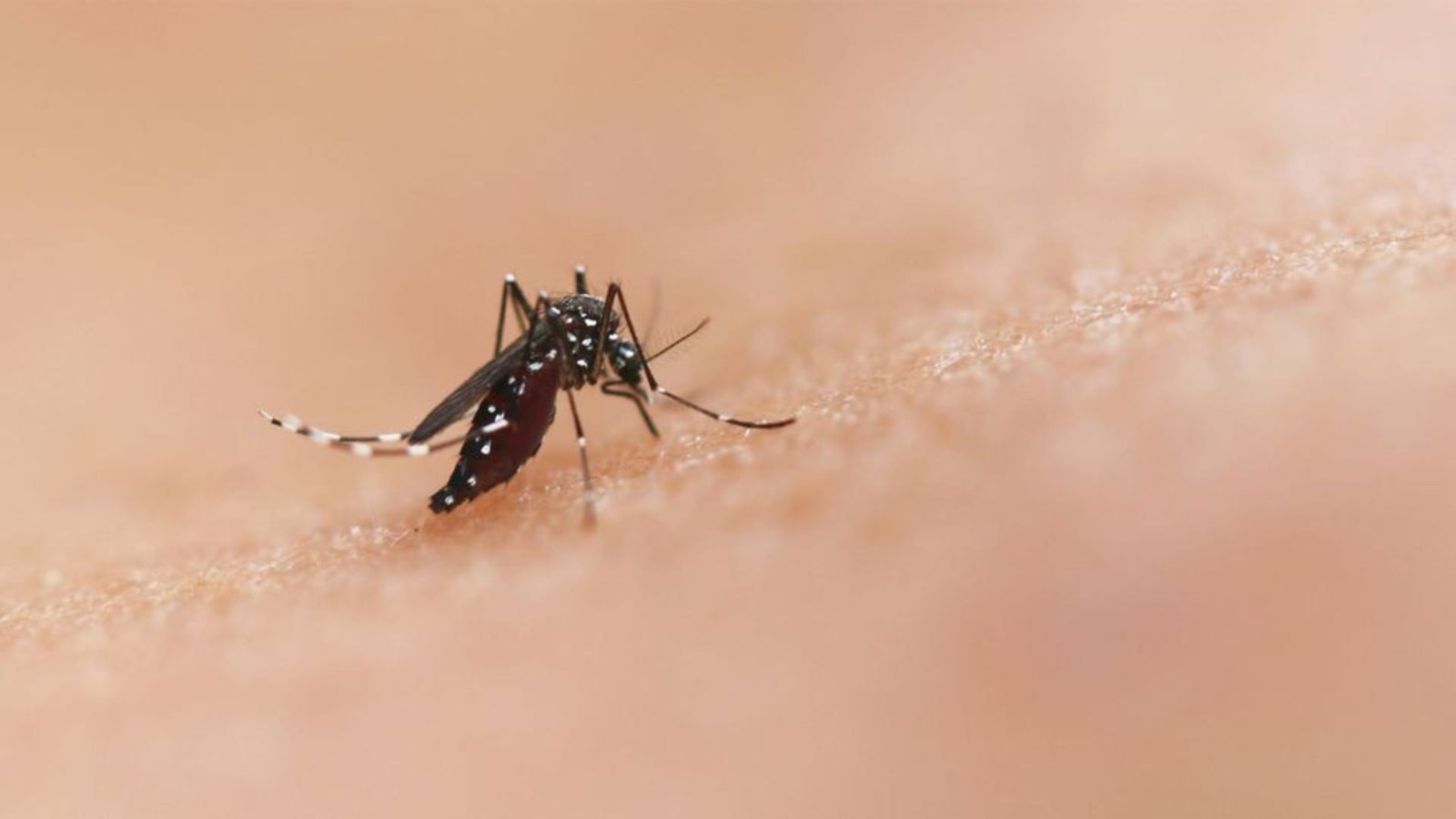
A recent study published in The Lancet Infectious Diseases has explored the potential of ivermectin, an antiparasitic drug, in blocking the transmission of malaria. Researchers investigated whether ivermectin could reduce the infectivity of individuals infected with malaria, offering a new approach to controlling and potentially eliminating the disease. Malaria, caused by parasites transmitted through mosquito bites, remains a significant public health challenge, particularly in sub-Saharan Africa.
Study Design and Methodology
The study was a randomized, double-blind, placebo-controlled trial conducted in Burkina Faso, a region with high malaria prevalence. Participants infected with malaria were given either ivermectin or a placebo. Researchers then collected blood samples to assess the infectivity of mosquitoes that fed on the participants. The primary outcome was the proportion of mosquitoes that became infected after feeding on individuals treated with ivermectin compared to those who received the placebo.
The researchers meticulously tracked the number of mosquitoes that became infected after feeding on the participants. They also examined secondary outcomes, such as the duration of ivermectin’s effect and its impact on the density of malaria parasites in the blood. Ethical considerations were paramount, with informed consent obtained from all participants and measures taken to ensure their safety and well-being.
Key Findings
The results indicated that ivermectin significantly reduced the infectivity of individuals with malaria to mosquitoes. Mosquitoes that fed on participants treated with ivermectin were less likely to become infected compared to those that fed on the placebo group. This suggests that ivermectin could be a valuable tool in reducing malaria transmission. Furthermore, the study found that ivermectin’s effect lasted for several days, providing a sustained period of reduced infectivity. The drug was well-tolerated, with no serious adverse events reported.
Implications and Future Research
These findings have significant implications for malaria control strategies. Ivermectin could be used as a complementary tool alongside existing interventions, such as insecticide-treated bed nets and antimalarial drugs. The drug’s ability to reduce malaria transmission could be particularly useful in areas where mosquitoes have developed resistance to insecticides. Further research is needed to determine the optimal dosage and frequency of ivermectin administration, as well as its potential impact on malaria incidence at the population level. Studies are also underway to assess the feasibility of incorporating ivermectin into mass drug administration campaigns.
The study highlights the importance of exploring novel approaches to combat malaria. While ivermectin is not a standalone solution, its potential to block malaria transmission offers a promising avenue for reducing the disease burden. Ongoing research and implementation strategies will be crucial to harnessing the full potential of ivermectin in the fight against malaria. This discovery could lead to innovative strategies aimed at eradicating the disease and improving public health outcomes in malaria-endemic regions.
Image Source: Google | Image Credit: Respective Owner