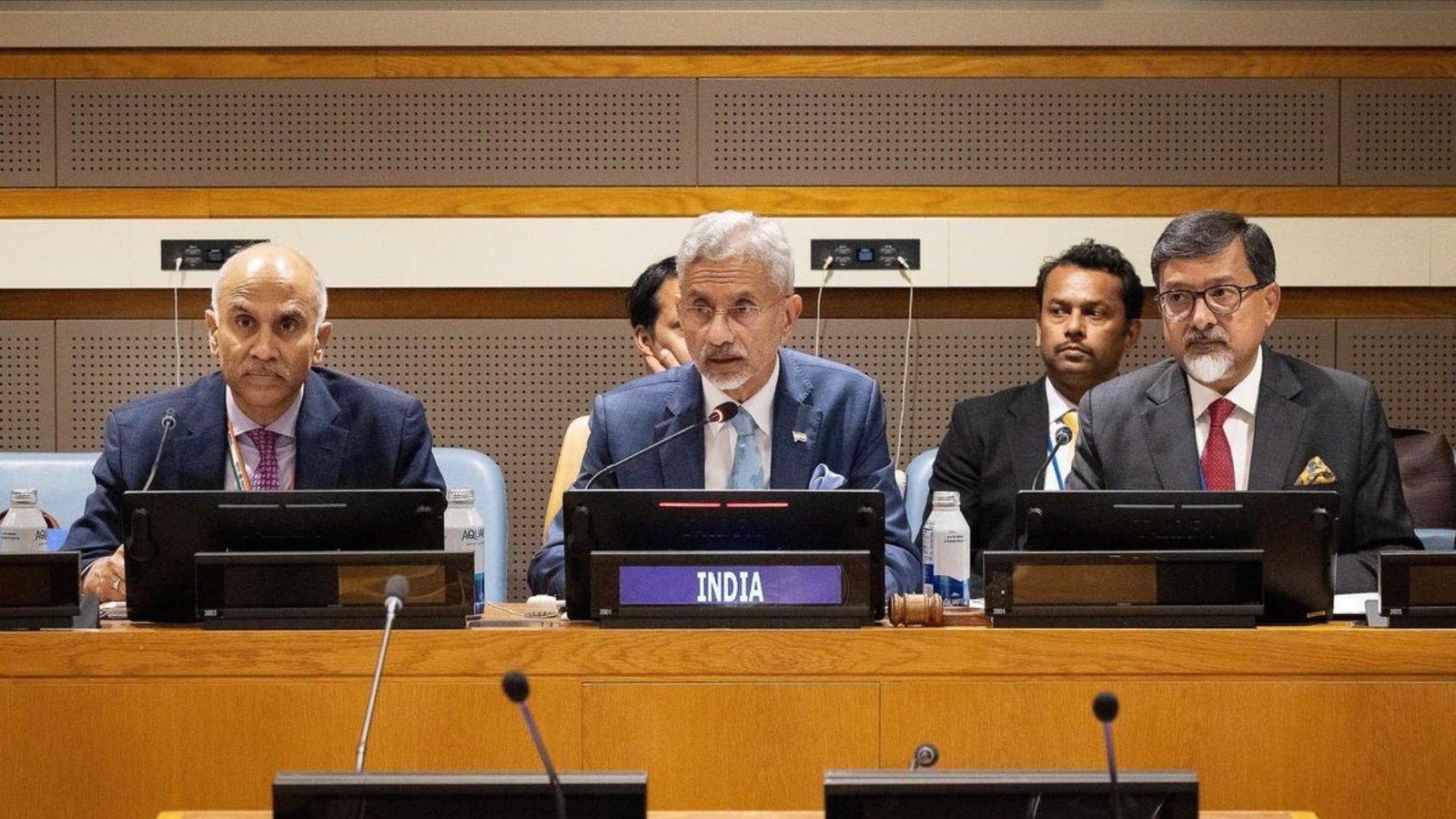
External Affairs Minister S. Jaishankar emphasized the critical role of BRICS nations in safeguarding the multilateral trading system amidst increasing tariff volatility. Speaking on the sidelines of the United Nations General Assembly (UNGA), Jaishankar highlighted the importance of the BRICS economic bloc in promoting stability and predictability in global trade. His remarks come at a time when protectionist measures and trade disputes are causing disruptions and uncertainties in international markets.
BRICS and Global Trade
The BRICS nations—Brazil, Russia, India, China, and South Africa—represent a significant portion of the world’s population and economic output. Their collective stance on trade and economic policies carries considerable weight on the global stage. Jaishankar’s call for a unified defense of the multilateral trading system underscores the group’s potential to act as a counterbalance to protectionist tendencies and promote a rules-based international order.
“BRICS countries must stand united in defending the multilateral trading system,” Jaishankar stated during the meeting. He further elaborated on the necessity for BRICS to advocate for fair and equitable trade practices that benefit all nations, particularly developing economies. The minister stressed that tariff volatility undermines the principles of free and open trade, hindering economic growth and development worldwide.
Focus on Tariff Volatility
Tariff volatility, characterized by unpredictable and often sudden changes in import and export duties, poses a significant threat to businesses and consumers alike. It disrupts supply chains, increases costs, and creates uncertainty for investors. Jaishankar pointed out that such volatility disproportionately affects smaller economies and can exacerbate existing inequalities. Therefore, BRICS’s commitment to a stable and predictable trading environment is essential for fostering inclusive and sustainable economic growth.
The meeting also addressed other pressing global issues, including climate change, sustainable development, and international security. However, the emphasis on trade reflects the immediate concerns surrounding economic stability and the need for coordinated action to mitigate the adverse effects of protectionism. BRICS’s role in championing multilateralism and opposing unilateral trade measures is seen as vital in maintaining a balanced and equitable global economic order. The discussions underscored the urgency for BRICS nations to collaborate and present a united front in promoting a more stable and predictable global trade landscape.
In conclusion, Jaishankar’s address at the UNGA serves as a call to action for BRICS nations to uphold the principles of multilateralism and defend the global trading system against the destabilizing effects of tariff volatility. By working together, BRICS can play a pivotal role in fostering a more inclusive, sustainable, and predictable economic environment for all.
Image Source: Google | Image Credit: Respective Owner