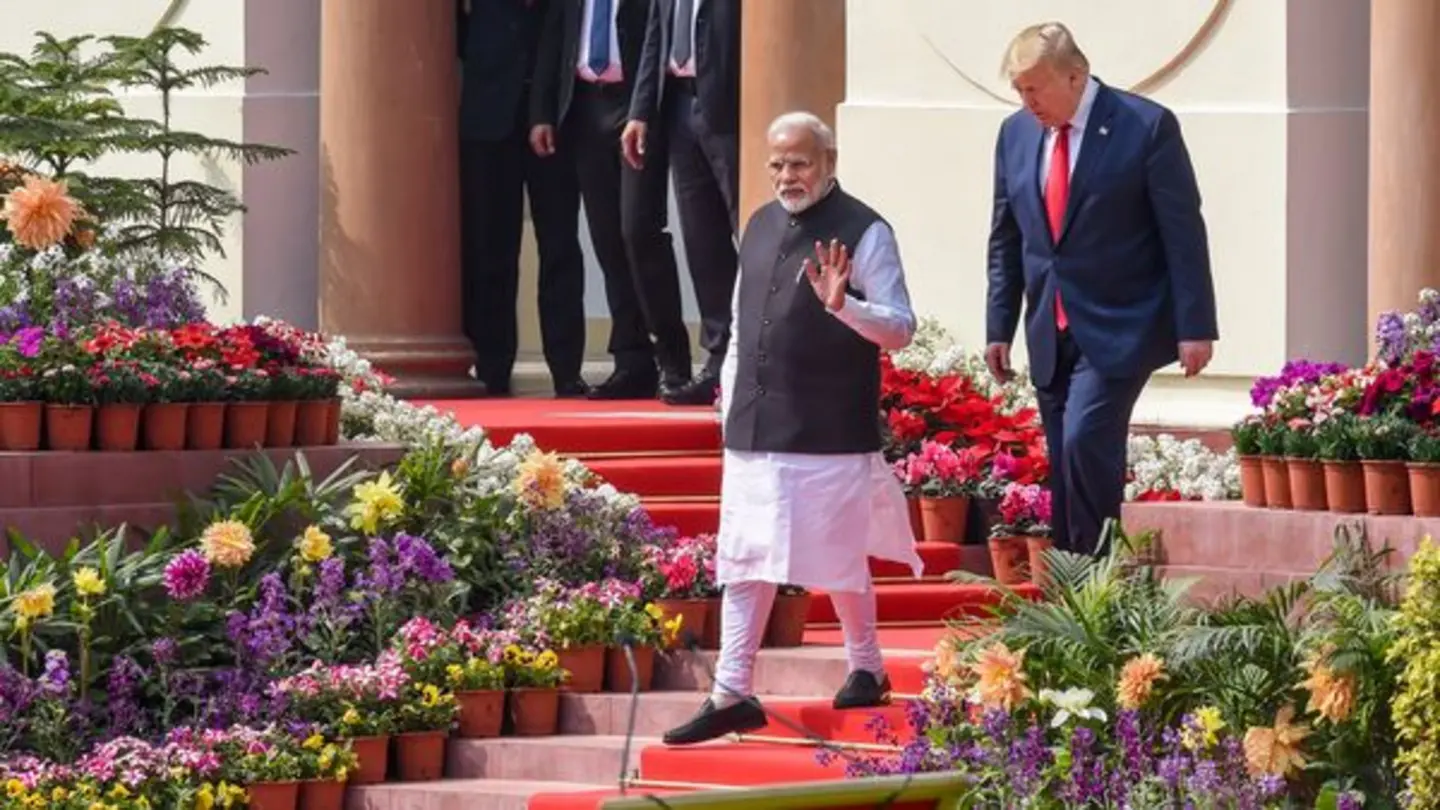
Donald Trump’s potential return to the White House has stirred anxiety among global businesses, but Indian pharmaceutical companies might see a silver lining. Experts predict that Trump’s proposed tariff policies could trigger a significant rebound for Indian pharma stocks. This analysis stems from Trump’s historical stance on trade, particularly his focus on bringing manufacturing back to the United States and imposing tariffs on imported goods.
Tariff Impact on Pharma
Trump’s previous administration saw the implementation of tariffs on various imported products, and a renewed focus on this policy could significantly impact the pharmaceutical industry. While the U.S. remains a major market for generic drugs, many active pharmaceutical ingredients (APIs) and finished formulations are imported, including substantial volumes from India. If Trump imposes tariffs on these imports, it would raise the cost of pharmaceuticals for U.S. consumers and create an opportunity for domestic manufacturers and those operating within free trade agreements with the U.S.
For Indian pharma companies like Sun Pharma, Cipla, and Dr. Reddy’s, this could translate into increased demand for their products. These companies have established a strong presence in the U.S. market, particularly in the generic drug segment. Tariffs on imports from other countries could make Indian-manufactured drugs more competitive, leading to a potential surge in sales and profitability. The anticipated market reaction reflects investors’ belief that Indian pharma companies are well-positioned to capitalize on these shifts.
Analysts’ Perspectives
Analysts at various financial institutions have echoed this sentiment, suggesting that the market may be underestimating the potential benefits for Indian pharma. They point to the relatively muted stock performance of these companies, despite the growing anticipation of Trump’s return. The experts believe that if tariffs are indeed implemented, the impact on Indian pharma could be substantial and swift. Therefore, Monday’s trading session could see a sharp rebound in the prices of these stocks as investors adjust their expectations.
However, the situation is not without its complexities. The actual implementation of tariffs and their specific details remains uncertain. Additionally, retaliatory measures from other countries could offset some of the benefits for Indian companies. Therefore, the impact will depend on a variety of factors, including the specific tariff rates, the scope of products covered, and the responses from other nations.
Strategic Considerations
Despite the uncertainties, Indian pharma companies are strategically positioned to navigate the evolving trade landscape. Many have invested in building manufacturing facilities within the U.S., which would allow them to circumvent some of the tariffs. Others have focused on developing complex generic drugs and biosimilars, which face less competition and offer higher profit margins. Furthermore, Indian companies have been actively pursuing partnerships and acquisitions to expand their global footprint and strengthen their product portfolios. These strategies are expected to help them mitigate the risks associated with potential trade barriers and capitalize on emerging opportunities.
Image Source: Google | Image Credit: Respective Owner