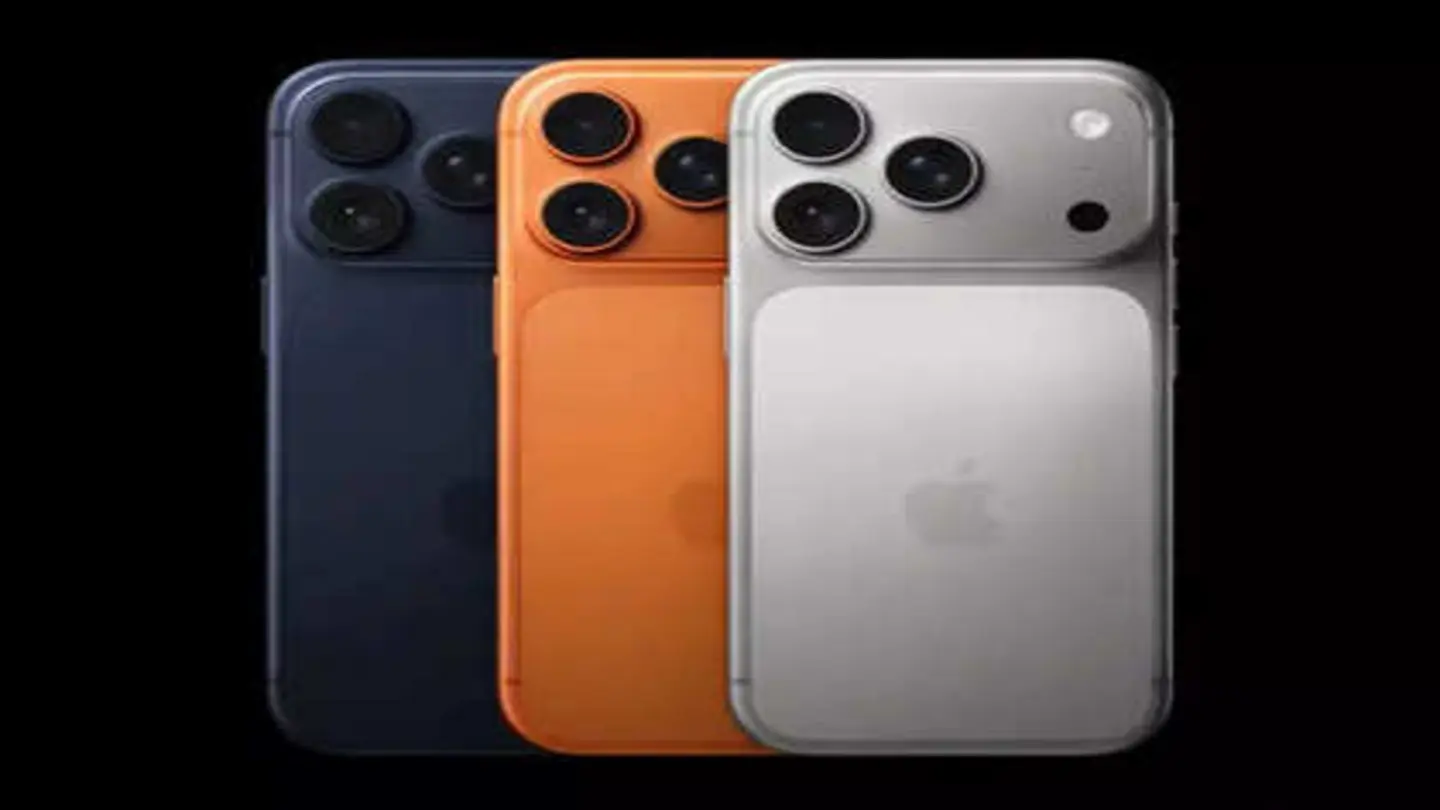
Apple has addressed concerns regarding the iPhone 17’s display, specifically the perceived ‘scratch gate’ issue. Reports surfaced suggesting that the screens were more susceptible to scratches than previous models. However, Apple has clarified that what users are observing is not scratching, but rather ‘material transfer’ from other objects.
What is Material Transfer?
Material transfer occurs when softer materials, like metal or certain plastics, come into contact with the iPhone’s display. The softer material leaves a residue on the screen, which appears as a scratch or mark. This is distinct from actual scratching, where the display surface itself is damaged.
Apple engineers explained that the iPhone 17’s display uses a new coating that may be more prone to showing these material transfers compared to older iPhones. This doesn’t necessarily mean the screen is less durable; it simply means that the coating reacts differently when it comes into contact with other materials.
The company emphasized that the display’s underlying glass remains highly durable and resistant to genuine scratches from harder materials like sand or grit. The issue lies with the superficial residue left behind by softer substances.
Apple’s Recommendations
Apple recommends using a soft, slightly damp, lint-free cloth to clean the iPhone 17’s display. Avoid using abrasive cleaners or excessive pressure, as these could potentially damage the coating. For more stubborn marks, Apple suggests trying a screen cleaning solution specifically designed for electronic devices.
Additionally, users are advised to be mindful of where they place their iPhones, avoiding contact with objects that could potentially leave residue on the screen. Using a screen protector is also a viable option for those particularly concerned about material transfer.
The Bigger Picture
The ‘scratch gate’ controversy highlights the challenges of balancing aesthetics and durability in modern smartphone design. While manufacturers strive for sleek, premium finishes, these finishes can sometimes be more susceptible to superficial marks. Apple’s response aims to reassure users that the iPhone 17’s display is fundamentally robust and that the observed issues are primarily cosmetic.
It’s important to note that this type of material transfer is not unique to Apple products. Many devices with glass screens can exhibit similar behavior. Understanding the nature of the issue and following Apple’s recommended cleaning practices can help users maintain the appearance of their iPhone 17 screens.
Ultimately, the perceived ‘scratch gate’ appears to be a misunderstanding of the phenomenon of material transfer. Apple’s clarification should help alleviate concerns and provide users with the information they need to care for their devices properly. Moving forward, it’s likely Apple will continue to refine its display coatings to minimize the visibility of these superficial marks while maintaining overall durability.
Image Source: Google | Image Credit: Respective Owner