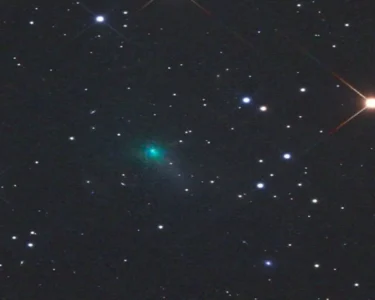
A mysterious object known as 3I/Atlas, initially thought to be a comet, has been perplexing scientists due to its unusual characteristics. Recent analysis suggests that its mass is significantly larger than previously estimated, exceeding 33 billion tons. This substantial mass rules out the possibility of it being a typical comet, prompting researchers to explore alternative explanations for its nature and origin.
Unusual Characteristics
Comets are typically composed of ice, dust, and gas, and they exhibit a characteristic tail as they approach the sun and these materials sublimate. However, 3I/Atlas has not displayed the expected cometary behavior. Its trajectory and lack of significant outgassing have led scientists to question its classification. The exceptionally high mass further supports the hypothesis that it is not a comet but rather an object of a different kind.
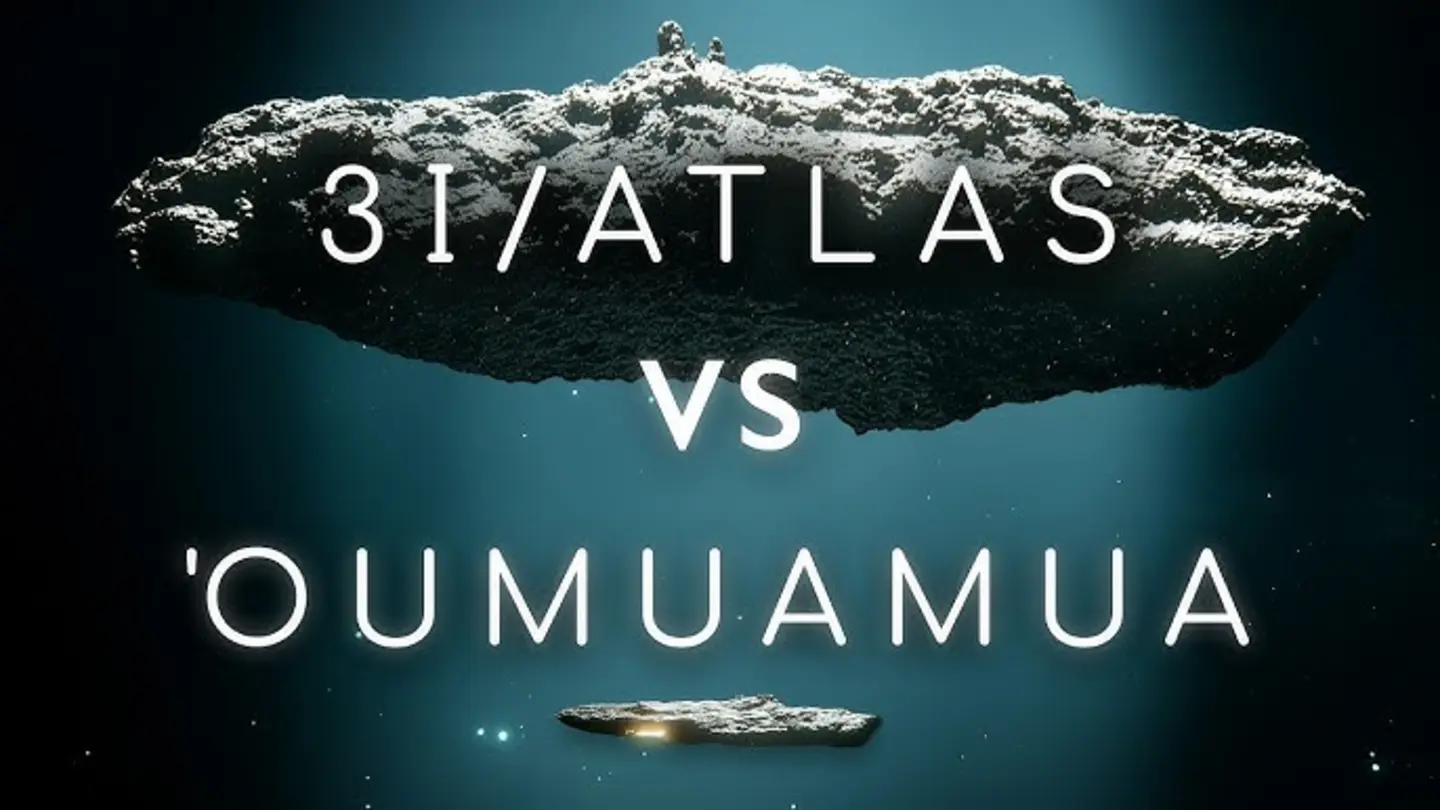
The designation “3I” indicates that it is the third interstellar object discovered. These objects originate from outside our solar system and offer valuable insights into the composition and conditions of other star systems. The first interstellar object, ‘Oumuamua, also presented unique properties that challenged existing astronomical models.
Possible Explanations
Given its substantial mass and unusual behavior, scientists are considering several possibilities for the true nature of 3I/Atlas. One hypothesis is that it could be a fragment of a larger planet or dwarf planet that was ejected from its original star system. Such fragments could be composed of denser materials than comets, accounting for the observed mass.
Another possibility is that 3I/Atlas is a “rubble pile” object, consisting of a collection of smaller rocks and debris held together by gravity. These types of objects are common in the asteroid belt, but they could also exist in interstellar space. Further observations and analysis will be crucial to determining the true composition and structure of 3I/Atlas.
Future Research
Astronomers are using various telescopes and observational techniques to gather more data on 3I/Atlas. Spectroscopic analysis can reveal the chemical composition of the object, while detailed imaging can provide information about its shape and surface features. By combining these data, scientists hope to unravel the mystery of 3I/Atlas and gain a better understanding of the types of objects that exist in interstellar space. The study of interstellar objects like 3I/Atlas is essential for advancing our knowledge of planetary formation and the diversity of celestial bodies throughout the galaxy. Its sheer size complicates previously held beliefs and offers new research avenues.
Image Source: Google | Image Credit: Respective Owner