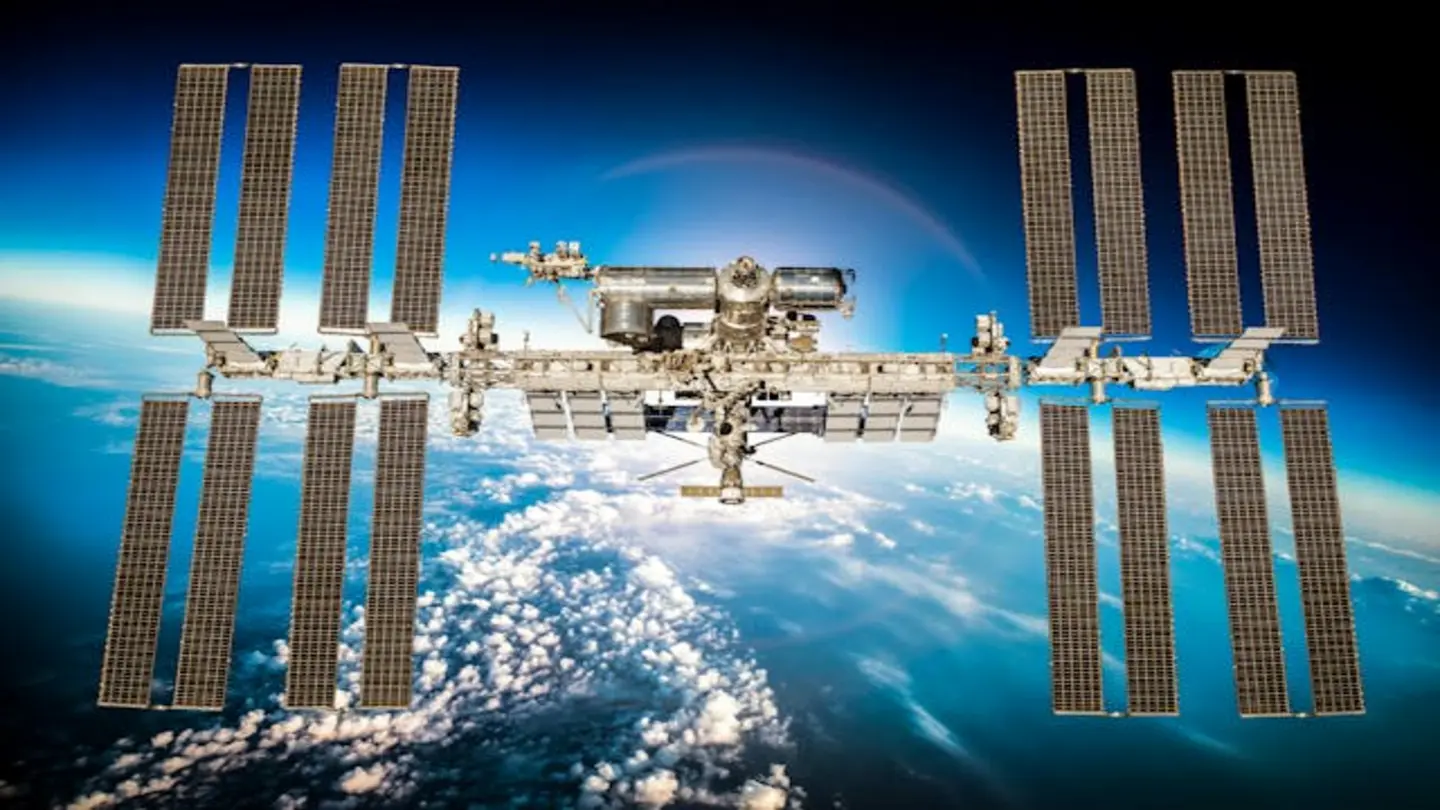
NASA is actively fostering the development of commercial space stations to succeed the International Space Station (ISS), which is slated for retirement by 2030. This initiative aims to ensure continued human presence in low Earth orbit (LEO) and to facilitate a thriving commercial space economy. The agency has been providing financial and technical support to several private companies to design, build, and operate these next-generation space platforms.
Commercial LEO Destinations (CLD) Program
The Commercial LEO Destinations (CLD) program is central to NASA’s strategy. Through this program, NASA has awarded contracts to companies such as Axiom Space, Blue Origin, and Nanoracks to develop their own independent space stations. These stations are intended to offer a range of services, including research, manufacturing, tourism, and even entertainment. NASA plans to be a customer of these commercial platforms, utilizing them for its own research and exploration activities.
Axiom Space, for example, is planning to attach its modules to the ISS initially and then detach them to form a standalone station before the ISS is decommissioned. Blue Origin, with its Orbital Reef project, envisions a mixed-use space station that caters to diverse customers, including researchers, manufacturers, and space tourists. Nanoracks, now part of Voyager Space, is developing Starlab, a fully independent space station designed for continuous operation and research.
Benefits of Commercialization
The shift towards commercial space stations offers several advantages. It reduces the financial burden on taxpayers, as private companies will bear a significant portion of the development and operational costs. It also fosters innovation and competition, leading to more efficient and cost-effective space services. Furthermore, it enables NASA to focus its resources on deep-space exploration missions, such as returning to the Moon with the Artemis program and eventually sending humans to Mars.
NASA’s strategy includes a phased approach to ensure a smooth transition from the ISS to commercial platforms. The agency will continue to operate the ISS safely and effectively until its planned retirement, while simultaneously supporting the development and deployment of commercial alternatives. This gradual transition will allow researchers and other users to seamlessly move their activities to the new space stations, minimizing any disruption to ongoing research and operations.
The success of this commercialization effort hinges on the ability of private companies to develop and operate sustainable and profitable space stations. NASA is providing guidance and support to these companies, but ultimately, the responsibility for the success of these ventures lies with the private sector. The agency is confident that the commercial space industry is up to the challenge and that the future of human presence in LEO is bright.
As the ISS nears the end of its lifespan, NASA’s focus on fostering a commercial space ecosystem is crucial for maintaining access to space and enabling future exploration endeavors. This transition promises a more dynamic and sustainable future for human activities in LEO and beyond.
Image Source: Google | Image Credit: Respective Owner