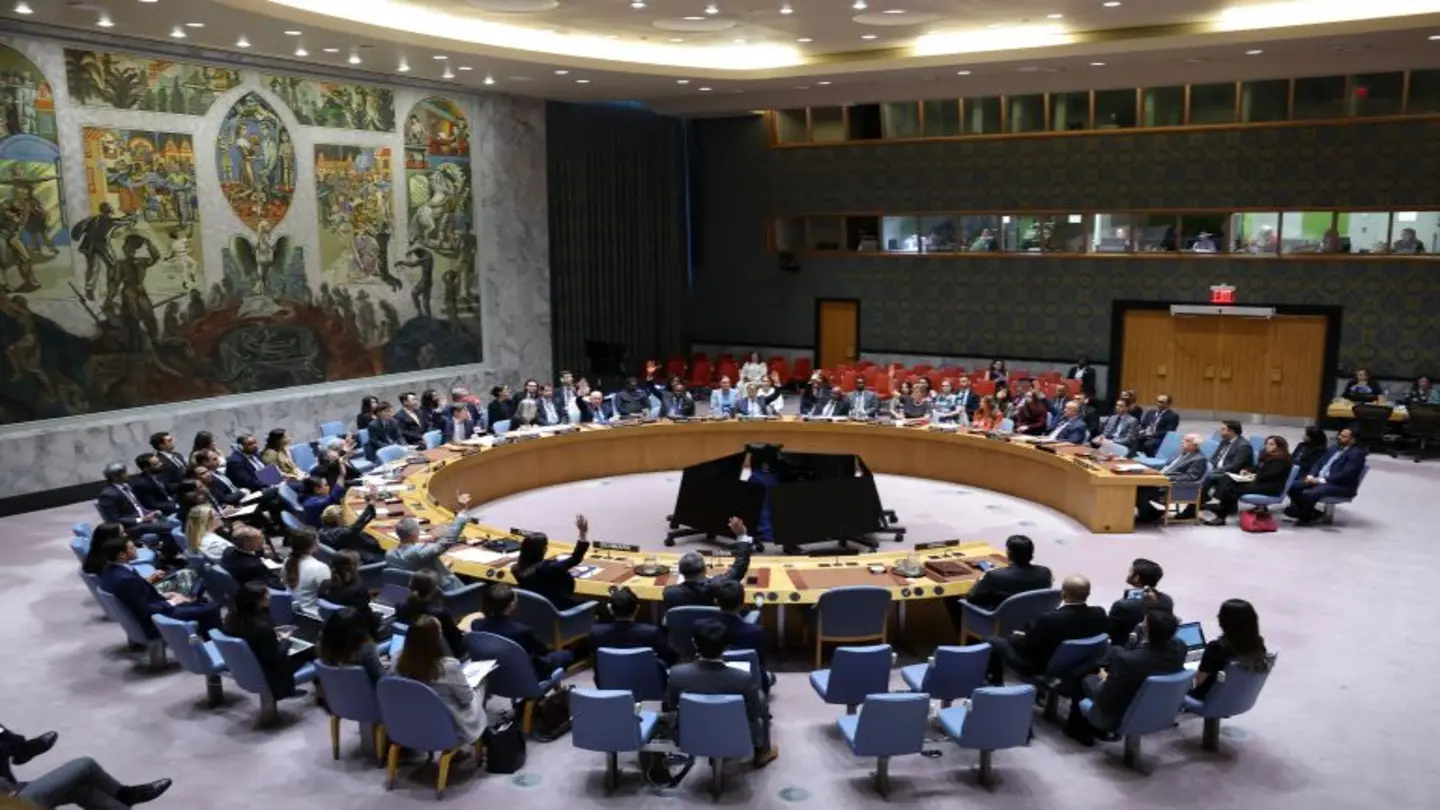
The United Nations Security Council has rejected a resolution proposed by Russia and China that sought to delay the reimposition of international sanctions on Iran. The vote, held on [Date – assume current date or date near publication], saw the resolution fail to garner the necessary support, highlighting the deep divisions within the council regarding the Iran nuclear deal and the future of sanctions.
The resolution aimed to postpone the reinstatement of sanctions, which were lifted under the 2015 Joint Comprehensive Plan of Action (JCPOA), also known as the Iran nuclear deal. These sanctions are related to Iran’s nuclear program and were initially suspended as part of the agreement, which aimed to prevent Iran from developing nuclear weapons in exchange for sanctions relief. The United States unilaterally withdrew from the JCPOA in 2018 under the Trump administration and has since been pushing for the “snapback” of all UN sanctions on Iran, citing Iran’s non-compliance with the agreement.
The Vote and Its Implications
The resolution needed nine votes in favor to pass, and no vetoes from the five permanent members – the United States, Russia, China, France, and the United Kingdom. However, it failed to reach the required threshold, signaling a significant setback for Russia and China’s diplomatic efforts to shield Iran from renewed sanctions. The rejection underscores the limited support for their approach among the broader Security Council members.
The United States has argued that it retains the right to trigger the snapback mechanism as an original participant in the JCPOA, despite its withdrawal from the deal. This stance has been contested by other members of the Security Council, who maintain that the U.S. no longer has the legal standing to invoke this mechanism.
Reactions and Future Prospects
Following the vote, reactions have been varied. The United States is expected to continue its efforts to reimpose sanctions unilaterally, potentially leading to further diplomatic clashes within the Security Council. European countries, which remain committed to the JCPOA, are likely to resist U.S. pressure and seek alternative ways to maintain the agreement and prevent Iran from further reducing its compliance with the deal.
The situation remains fluid, and the future of the JCPOA hangs in the balance. The rejection of the Russia-China resolution sets the stage for continued tensions and uncertainty surrounding Iran’s nuclear program and the international community’s response. Further discussions and negotiations are anticipated in the coming weeks, as various parties attempt to find a way forward that preserves regional stability and prevents further escalation.
The international community now faces the challenge of navigating these complex dynamics to ensure a peaceful resolution and prevent a nuclear arms race in the Middle East. The failure of the resolution underscores the urgent need for renewed dialogue and diplomatic efforts to address the underlying issues and find a mutually acceptable path forward.
The coming days will be critical in determining the next steps and the potential consequences for Iran, the region, and the international community as a whole. The UN Security Council’s inability to find consensus on this issue highlights the challenges of multilateral diplomacy in a world with diverging national interests.
Image Source: Google | Image Credit: Respective Owner