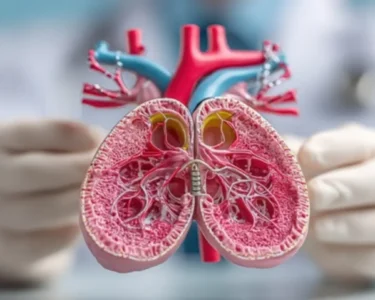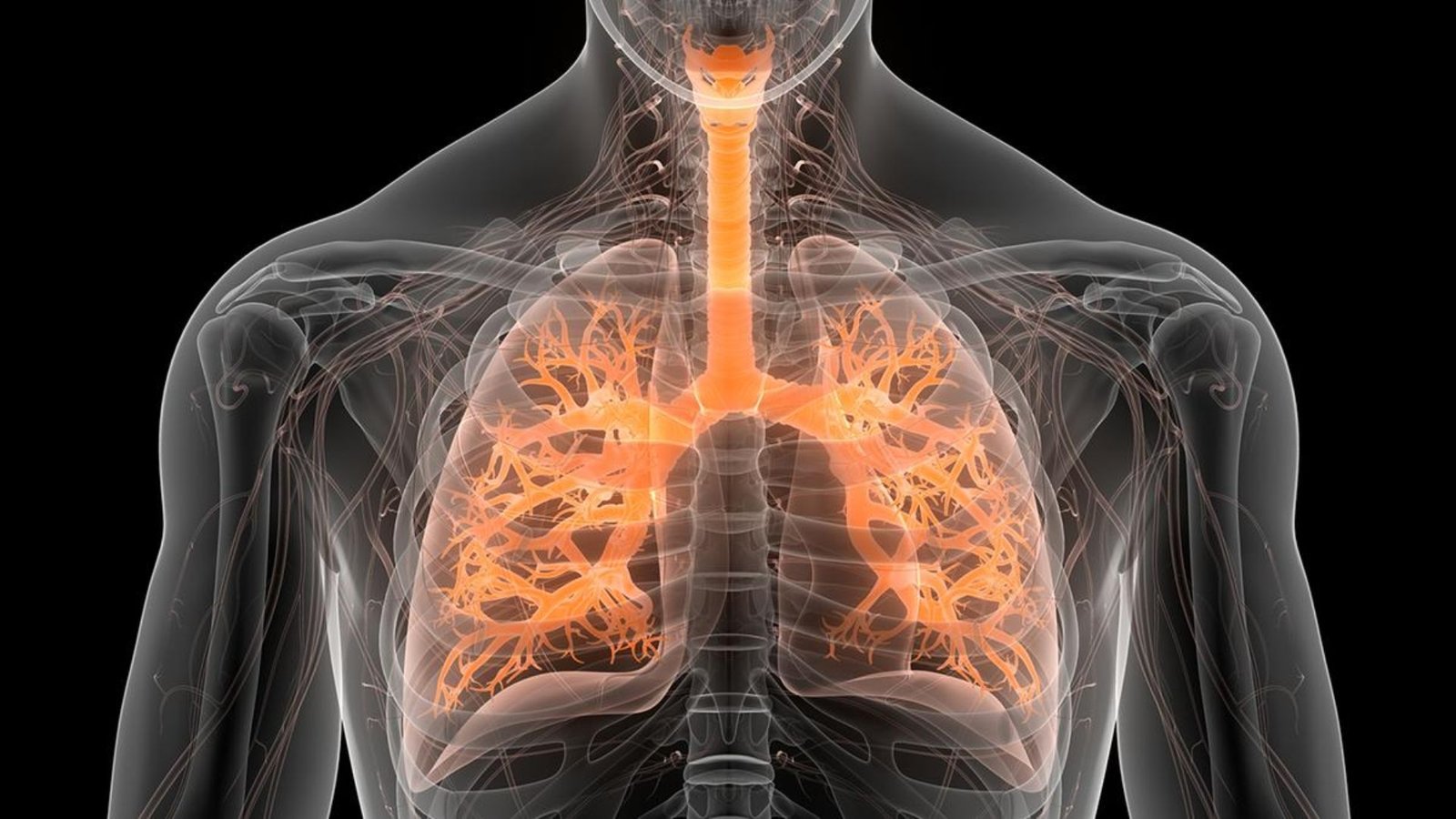
World Lung Day, observed annually, serves as a crucial reminder of the importance of respiratory health and the global burden of lung diseases. This year’s focus emphasizes understanding common respiratory ailments and implementing effective management strategies to improve patient outcomes and overall public health. Respiratory diseases, ranging from asthma and chronic obstructive pulmonary disease (COPD) to pneumonia and lung cancer, affect millions worldwide, significantly impacting quality of life and contributing to mortality rates.
Understanding the risk factors associated with respiratory diseases is paramount in prevention efforts. Smoking remains the leading cause of COPD and lung cancer, highlighting the need for comprehensive tobacco control measures. Air pollution, both indoor and outdoor, poses a significant threat, particularly in urban areas and developing countries where exposure levels are often elevated. Occupational hazards, such as exposure to dust, chemicals, and fumes, can also contribute to the development of respiratory illnesses. Genetic predisposition plays a role in some conditions, such as cystic fibrosis and alpha-1 antitrypsin deficiency.
Effective Management Strategies
Effective management of respiratory diseases requires a multi-faceted approach involving early diagnosis, appropriate medical treatment, and lifestyle modifications. Early detection through screening programs and diagnostic testing is crucial for initiating timely interventions and improving prognosis. Medical treatment often involves medications such as bronchodilators, corticosteroids, and antibiotics, depending on the specific condition and severity. Pulmonary rehabilitation, a comprehensive program that includes exercise training, education, and psychological support, is beneficial for individuals with chronic respiratory diseases.
Lifestyle modifications play a vital role in managing respiratory health. Smoking cessation is essential for preventing disease progression and improving overall well-being. Avoiding exposure to air pollution and occupational hazards is crucial for minimizing lung damage. Regular exercise and a healthy diet can strengthen the respiratory system and improve lung function. Vaccination against influenza and pneumonia is recommended, especially for vulnerable populations, such as the elderly and individuals with underlying health conditions.
Raising awareness about respiratory diseases and promoting preventive measures are crucial for reducing the global burden of these conditions. Public health campaigns, educational programs, and community-based initiatives can empower individuals to take control of their respiratory health and make informed decisions. Collaboration among healthcare professionals, policymakers, and community organizations is essential for developing and implementing effective strategies to address the challenges posed by respiratory diseases. On World Lung Day, let’s renew our commitment to promoting respiratory health and ensuring that everyone has access to the care and resources they need to breathe easier.
Image Source: Google | Image Credit: Respective Owner