NASA’s Artemis II mission is poised to mark a significant step in humanity’s return to the Moon. This mission, the first crewed lunar mission in over 50 years, will send four astronauts on a journey around the Moon, paving the way for future lunar landings. The mission’s primary objective is to test the Orion spacecraft’s life support systems and validate the capabilities needed for sustained lunar exploration. Let’s delve into the key aspects of this ambitious endeavor.
Launch Date
Currently, the launch is scheduled for no earlier than September 2025. However, it is crucial to note that launch dates for missions of this complexity are subject to change. NASA will continue to monitor progress and make necessary adjustments to ensure the safety and success of the mission. Factors such as spacecraft readiness, weather conditions, and other unforeseen circumstances can influence the final launch date.
Mission Overview
Artemis II is a flight test that will take the crew on a trajectory around the Moon. The Orion spacecraft, powered by the Space Launch System (SLS) rocket, will carry the astronauts on a roughly 10-day mission. This mission will simulate many of the challenges of a lunar landing without actually landing on the surface. The crew will evaluate the performance of the Orion spacecraft’s systems in the harsh environment of deep space. They will also test communication capabilities and assess the effects of spaceflight on the human body.
The mission profile involves entering a highly elliptical orbit around Earth, followed by a translunar injection maneuver to propel the spacecraft toward the Moon. Once in the vicinity of the Moon, Orion will perform a lunar flyby, using the Moon’s gravity to slingshot itself back towards Earth. The mission will conclude with a splashdown in the Pacific Ocean, where the crew and spacecraft will be recovered.
Crew Members
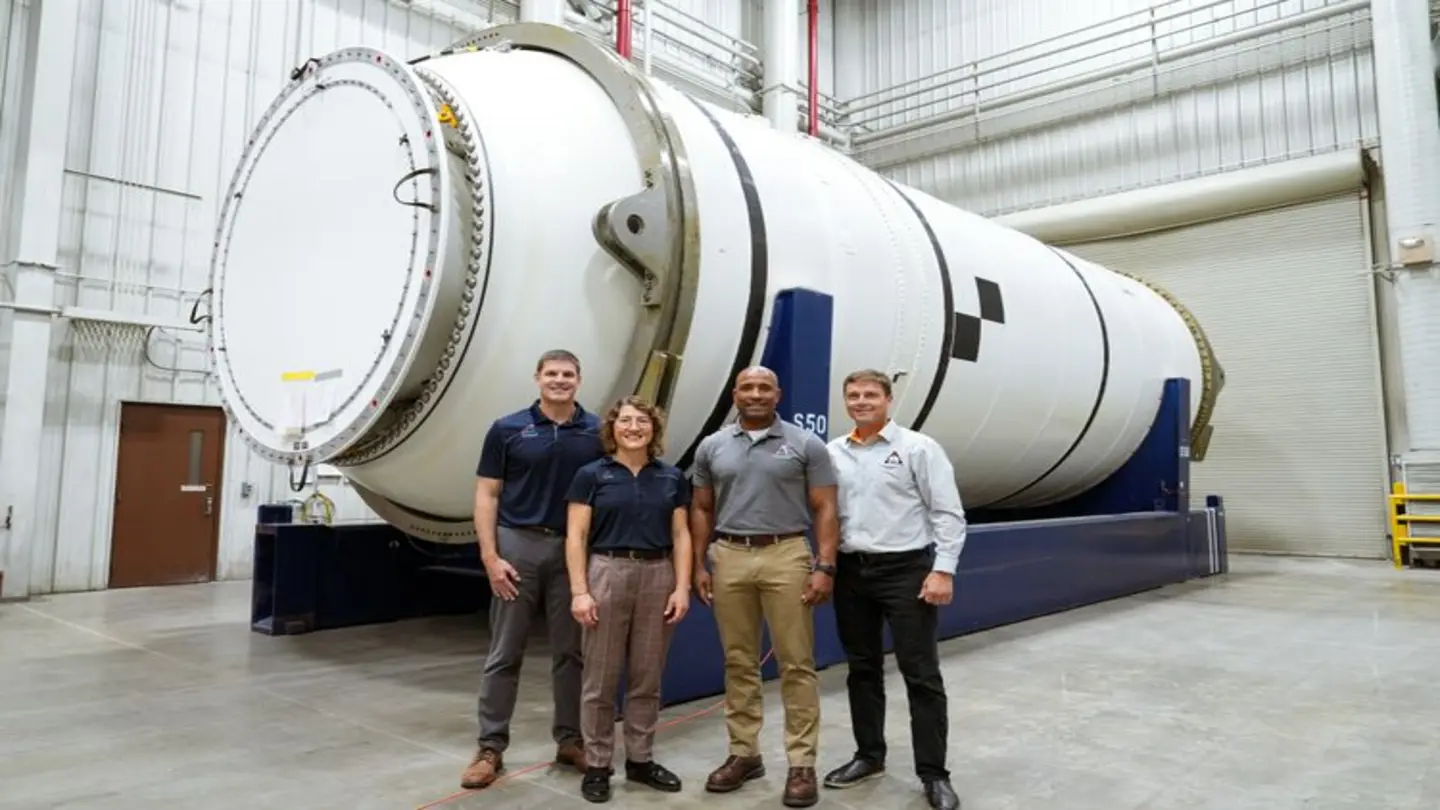
The Artemis II crew consists of four astronauts, representing both the United States and Canada. The crew members are Reid Wiseman, Victor Glover, Christina Koch, and Jeremy Hansen. Reid Wiseman will serve as the mission commander, bringing his extensive experience as a NASA astronaut to lead the team. Victor Glover will be the pilot, responsible for the spacecraft’s operation and navigation. Christina Koch, a veteran of long-duration spaceflight, will serve as a mission specialist, contributing her expertise in science and engineering. Jeremy Hansen, from the Canadian Space Agency, will also serve as a mission specialist, representing Canada’s important role in the Artemis program. These astronauts have undergone years of rigorous training to prepare them for the challenges of this mission.
The Artemis II mission is not just a scientific endeavor; it is a symbol of human ambition and our collective desire to explore the unknown. By venturing back to the Moon, we are not only expanding our understanding of the solar system but also inspiring future generations of scientists, engineers, and explorers. The data and experience gained from Artemis II will be invaluable in preparing for future lunar landings and, ultimately, human missions to Mars.
Image Source: Google | Image Credit: Respective Owner