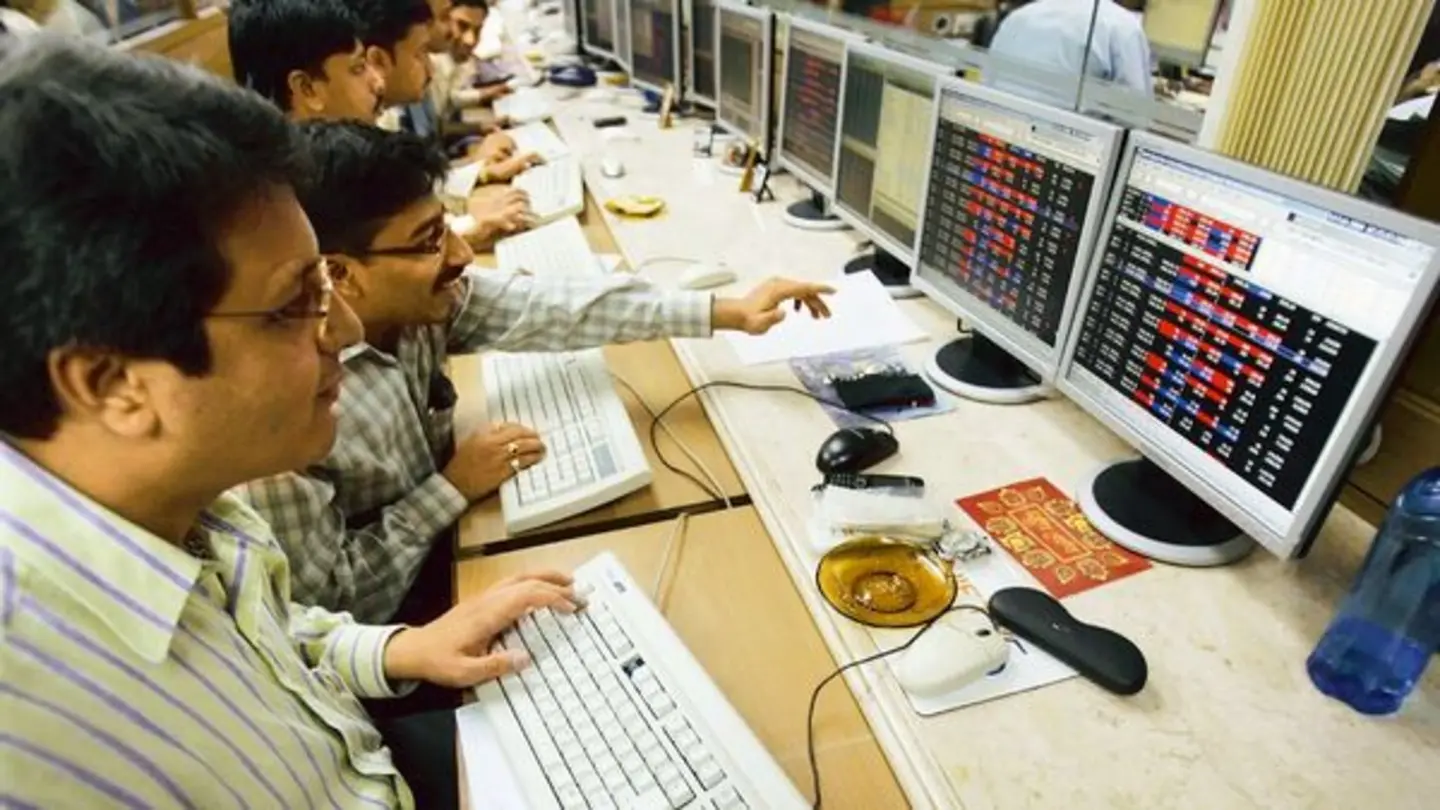
Indian stock markets are expected to open cautiously on September 25, following a significant decline in global markets. Investors are bracing for a potentially volatile trading session, with key indices like the Nifty 50 and Sensex likely to experience initial downward pressure. The global sell-off was triggered by renewed concerns over rising interest rates and persistent inflation, prompting investors to reassess their risk exposure.
Global Market Turmoil
Over the weekend, major stock exchanges in the United States and Europe recorded substantial losses. The Dow Jones Industrial Average, S&P 500, and Nasdaq Composite all witnessed sharp declines, driven by hawkish signals from central banks indicating a commitment to further tightening of monetary policy. European markets followed suit, with the FTSE 100, CAC 40, and DAX also posting notable losses.
These global headwinds are expected to weigh heavily on the Indian stock market. Foreign Institutional Investors (FIIs), who have been significant drivers of the recent rally in Indian equities, may adopt a more cautious stance, potentially leading to capital outflows. Domestic investors, too, are likely to exercise caution in the face of increased uncertainty.
Key Factors to Watch
Several factors will influence the direction of the Indian stock market on September 25. The opening trades will be crucial in setting the tone for the day. Investors will closely monitor the performance of key sectors, including banking, IT, and pharmaceuticals. Any positive developments in these sectors could help mitigate the impact of the global downturn.
Furthermore, movements in the Indian rupee against the US dollar will be closely watched. A weakening rupee could exacerbate the concerns about inflation and potentially trigger further selling pressure in the equity markets. Government bond yields will also be under scrutiny, as any rise in yields could signal increased borrowing costs for companies, negatively impacting their profitability.
Expert Opinions
Market analysts suggest that investors should adopt a defensive strategy, focusing on fundamentally strong companies with a proven track record. They recommend avoiding excessive risk-taking and maintaining a diversified portfolio. Technical analysts point to key support levels for the Nifty 50 and Sensex, which, if breached, could lead to further declines. However, some analysts remain optimistic about the long-term prospects of the Indian stock market, citing the country’s strong economic growth potential and favorable demographics.
Despite the anticipated volatility, there are opportunities for astute investors to capitalize on short-term price fluctuations. Intraday traders may find opportunities in both long and short positions, depending on the market’s direction. However, it is crucial to exercise caution and implement strict stop-loss orders to protect against unexpected market movements. Overall, investors should brace for a potentially turbulent trading session and remain vigilant in monitoring global and domestic economic indicators.
Image Source: Google | Image Credit: Respective Owner