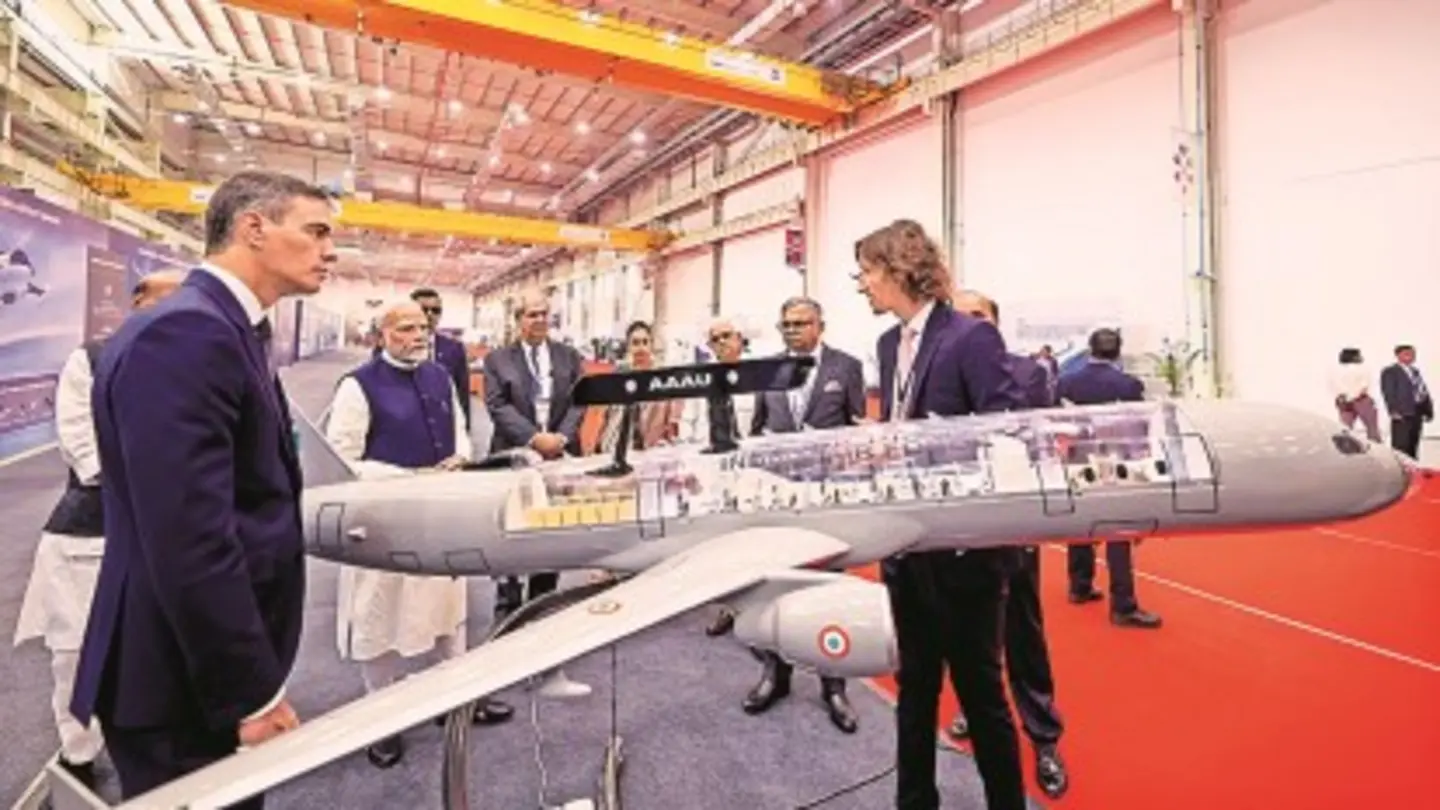
India is rapidly emerging as a key player in the global aviation manufacturing landscape, with Airbus significantly expanding its operations within the country. This strategic move promises to boost domestic manufacturing, create jobs, and contribute substantially to economic growth. The establishment of India as a major Airbus stop signifies the country’s growing importance in the aerospace industry and its potential to become a global hub for aircraft production and maintenance.
Airbus’s Expanding Footprint
Airbus has been steadily increasing its investments in India, recognizing the country’s skilled workforce, favorable business environment, and growing demand for air travel. The company’s initiatives include setting up manufacturing facilities, engineering centers, and training programs. These efforts are aimed at leveraging India’s capabilities to produce aircraft components, provide engineering services, and train aviation professionals. The expanded presence of Airbus in India not only enhances the country’s manufacturing capabilities but also fosters technological innovation and knowledge transfer.
One of the key developments is the establishment of a major aircraft assembly line in India. This facility will be responsible for producing complete aircraft, catering to both domestic and international markets. The assembly line will create numerous job opportunities for skilled workers, engineers, and technicians. Furthermore, it will attract ancillary industries, leading to the development of a comprehensive aerospace ecosystem in India. This ecosystem will include suppliers of raw materials, components, and services, further boosting economic activity and creating additional employment opportunities.
Economic Impact and Job Creation
The economic impact of Airbus’s growing presence in India is substantial. The aviation industry is a significant contributor to GDP, and the expansion of manufacturing activities will further enhance its contribution. The establishment of assembly lines and manufacturing facilities will attract investments, both domestic and foreign, leading to increased economic activity. The creation of jobs is another significant benefit. The aviation industry requires a diverse range of skills, from manufacturing and engineering to maintenance and logistics. The expansion of Airbus’s operations will create opportunities for skilled workers in these areas, reducing unemployment and improving living standards.
Moreover, the development of a comprehensive aerospace ecosystem will have a multiplier effect on the economy. The ancillary industries that support aircraft manufacturing will create additional jobs and opportunities for small and medium-sized enterprises (SMEs). This will promote entrepreneurship and innovation, leading to further economic growth. The aviation industry also supports tourism, which is a major source of revenue for many countries. The expansion of air travel and the development of aviation infrastructure will boost tourism, creating additional jobs and economic opportunities.
Future Prospects
The future prospects for the aviation industry in India are bright. The country is experiencing rapid economic growth, and the demand for air travel is increasing. This is driving the need for more aircraft and aviation infrastructure. Airbus is well-positioned to capitalize on this growth, with its expanding operations in India. The company’s commitment to investing in the country and developing its manufacturing capabilities will ensure that India remains a key player in the global aviation industry for years to come. The strategic partnership between Airbus and India is a win-win situation, benefiting both the company and the country. It is a testament to India’s growing economic strength and its potential to become a global manufacturing hub.
Image Source: Google | Image Credit: Respective Owner