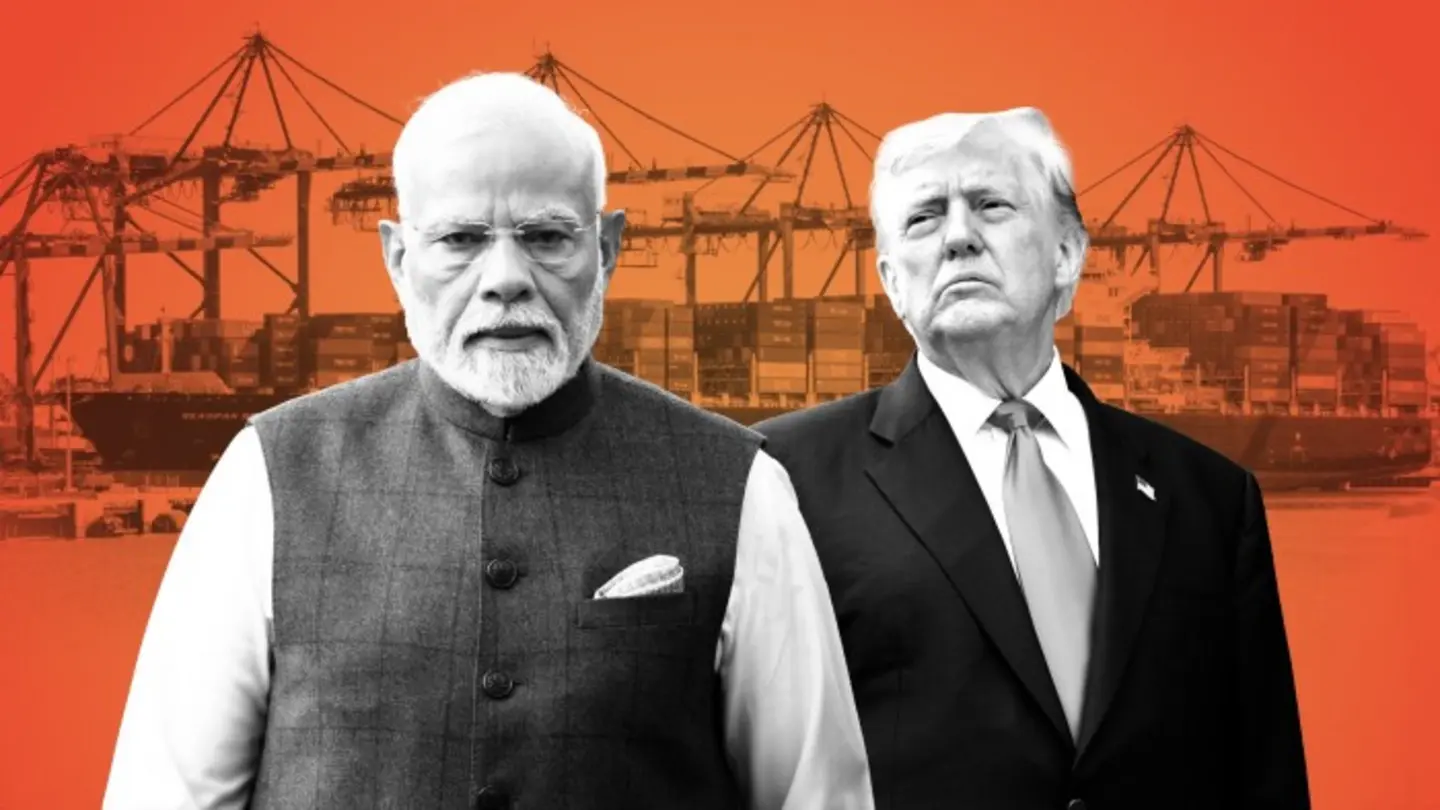
Amidst escalating trade tensions and geopolitical complexities, the United States has voiced concerns over India’s continued purchase of Russian oil. Chris Wright, US energy secretary, acknowledged India as an “awesome ally of America”, but subtly flagged the issue, according to a recent report by Mint. The situation presents a delicate balancing act for both nations, requiring careful navigation of economic interests and strategic alliances.
The Context of US-India Relations
The US-India relationship has grown significantly in recent years, marked by increased cooperation in various sectors, including defense, technology, and trade. Both nations share common strategic interests, particularly in the Indo-Pacific region, where they aim to maintain stability and counter growing Chinese influence. However, differing economic policies and trade practices have occasionally led to friction.
India’s decision to continue importing Russian oil, despite Western sanctions imposed on Russia following its invasion of Ukraine, has raised eyebrows in Washington. The US has been urging its allies to reduce their dependence on Russian energy to exert economic pressure on Moscow. However, India, facing its own energy security challenges and prioritizing its economic growth, has maintained a neutral stance on the conflict and continued to engage with Russia on economic matters.
India’s Energy Security Imperatives
India, being one of the world’s largest energy consumers, relies heavily on imports to meet its domestic demand. Russia has emerged as a significant supplier of crude oil to India, offering competitive prices that are attractive to Indian refiners. Reducing or halting these imports could potentially disrupt India’s energy supply and impact its economic stability. India has consistently defended its decision to purchase Russian oil, citing its sovereign right to pursue its national interests.
The US energy secretary’s remarks highlight the delicate balance the US must strike in its relationship with India. While Washington values its strategic partnership with New Delhi, it also expects its allies to align with its foreign policy objectives, particularly concerning Russia. The situation underscores the complexities of international relations, where economic interests and geopolitical considerations often intersect.
Potential Implications and Future Outlook
The ongoing discussions between the US and India regarding Russian oil purchases could potentially impact trade relations between the two countries. The US may consider imposing tariffs or other trade restrictions on India if it perceives its actions as undermining Western efforts to isolate Russia economically. However, such measures could also damage the broader US-India relationship, which both nations have invested heavily in cultivating.
Moving forward, it will be crucial for both the US and India to engage in open and constructive dialogue to address their respective concerns and find mutually acceptable solutions. The US needs to recognize India’s energy security challenges and its need to diversify its energy sources. India, in turn, needs to be mindful of the US’s geopolitical concerns and strive to reduce its dependence on Russian energy over time. The situation serves as a reminder of the importance of diplomacy and compromise in navigating complex international relations.
Image Source: Google | Image Credit: Respective Owner