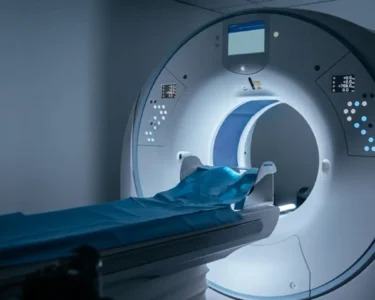
An expert has emphasized the critical importance of early detection in managing dementia, highlighting its potential to significantly improve the quality of life for patients and their families. Dementia, a syndrome characterized by a decline in cognitive function beyond what might be expected from normal aging, affects millions worldwide. Alzheimer’s disease is the most common form of dementia, but other types include vascular dementia, Lewy body dementia, and frontotemporal dementia.
Speaking at a recent healthcare conference, Dr. Anya Sharma, a leading neurologist specializing in geriatric cognitive disorders, explained that early diagnosis allows for timely intervention and management strategies. These strategies can include medication to slow the progression of the disease, cognitive therapies to maintain mental function, and lifestyle adjustments to promote overall well-being.
Benefits of Early Detection
Dr. Sharma stressed that detecting dementia in its early stages offers numerous advantages. First, it allows individuals and their families to prepare for the future, making informed decisions about care, finances, and legal matters. Second, early intervention can help manage symptoms and improve the patient’s quality of life. Third, it provides an opportunity for patients to participate in clinical trials and research studies, potentially contributing to advancements in treatment and prevention.
“Early detection is not just about diagnosis; it’s about empowerment,” Dr. Sharma stated. “It empowers individuals to take control of their health and future, and it empowers families to provide the best possible care and support.”
However, Dr. Sharma acknowledged that several challenges hinder early detection. One significant barrier is the stigma associated with dementia, which can lead individuals and families to avoid seeking help. Another challenge is the lack of awareness about the early signs and symptoms of dementia, which can be subtle and easily dismissed as normal age-related changes. Furthermore, access to specialized diagnostic services can be limited, particularly in rural areas.
Raising Awareness and Improving Access
To address these challenges, Dr. Sharma advocated for increased public awareness campaigns to educate people about the early signs of dementia and encourage them to seek medical evaluation if they have concerns. She also called for improved access to diagnostic services, particularly in underserved communities, and for greater investment in research to develop more accurate and reliable diagnostic tools.
The expert concluded by urging healthcare professionals to be vigilant in screening for cognitive impairment during routine medical checkups. By identifying individuals at risk of dementia early on, they can be referred for further evaluation and appropriate management, ultimately improving outcomes for patients and families affected by this debilitating condition. Dementia is not an inevitable part of aging, and early intervention can make a significant difference.
Image Source: Google | Image Credit: Respective Owner