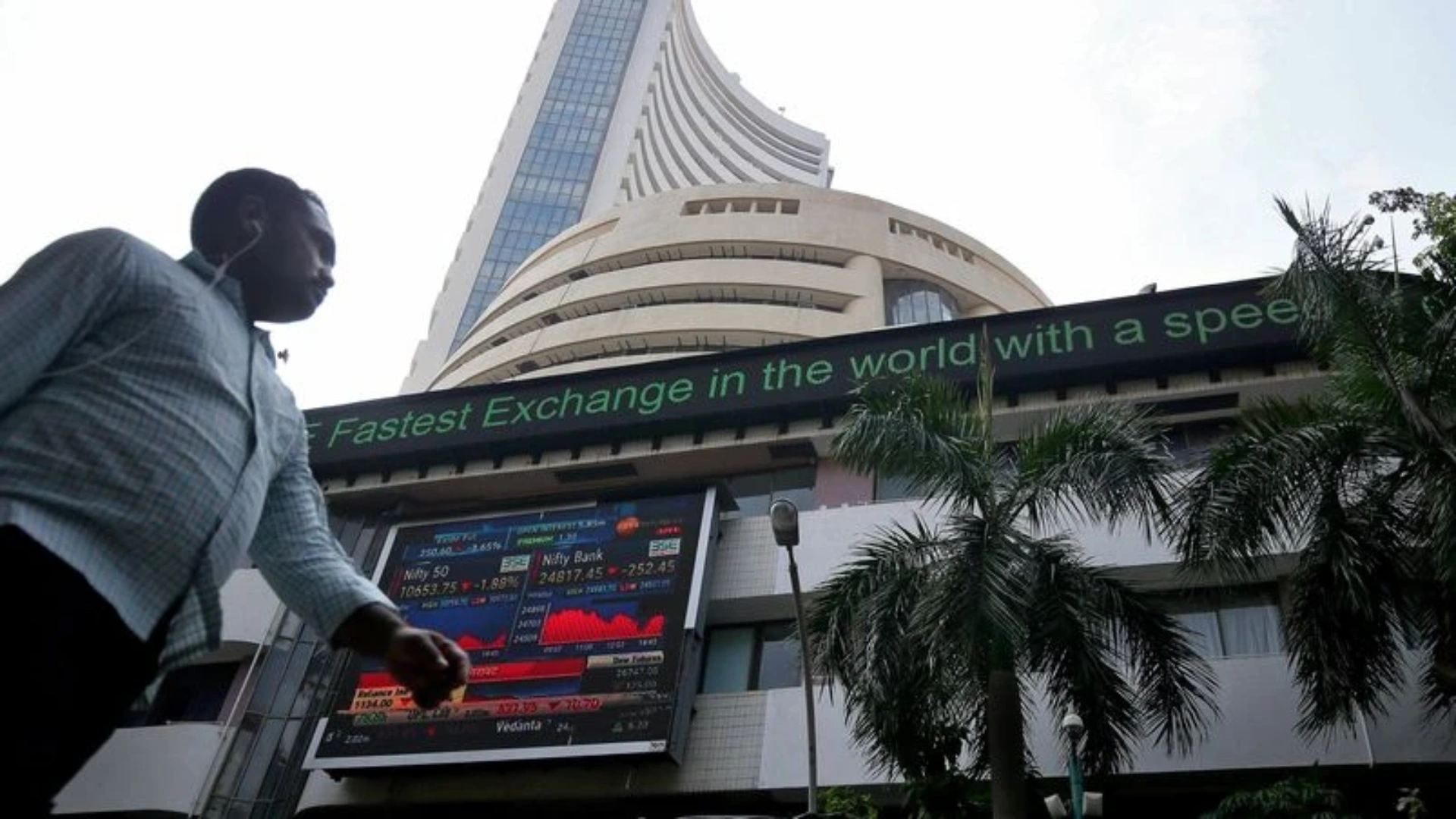
Indian stock markets, including the Nifty 50 and Sensex, are expected to open cautiously on September 24, following a global market downturn. Concerns about rising bond yields and inflation continue to weigh on investor sentiment. Analysts predict that early trading may be volatile as investors digest overnight developments and assess potential impacts on the Indian economy.
Global Market Influences
The performance of Asian markets overnight will likely set the tone for Indian equities. Any significant declines in major Asian indices could further dampen enthusiasm and trigger a sell-off in domestic stocks. Investors are also closely monitoring crude oil prices, which have been fluctuating amid supply concerns. Higher oil prices could exacerbate inflationary pressures and negatively impact India’s trade balance.
Domestically, market participants will be looking for cues from corporate earnings announcements and economic data releases. Any positive surprises could provide some support to the market, while disappointing figures could add to the downward pressure. The Reserve Bank of India’s (RBI) monetary policy stance will also remain in focus, with investors anticipating potential rate hikes to combat inflation.
Sector-specific developments will also influence market movements. Banking and financial services stocks are likely to be affected by interest rate fluctuations and asset quality concerns. IT stocks could face pressure due to global economic uncertainty and potential slowdown in tech spending. Auto stocks will be closely watched for sales data and supply chain disruptions.
Trading Strategies
Given the prevailing market conditions, analysts recommend a cautious approach to trading. Investors should prioritize risk management and avoid excessive leverage. It is advisable to focus on fundamentally strong companies with sustainable earnings growth. Technical analysis can also be used to identify potential entry and exit points. Intraday traders should be prepared for volatility and exercise discipline in their trading decisions.
Long-term investors may consider using market corrections as opportunities to accumulate quality stocks at attractive valuations. However, it is important to diversify portfolios and avoid concentrating investments in any single sector or stock. Regular portfolio reviews are essential to ensure that investments align with individual risk tolerance and financial goals. Overall, the Indian stock market is expected to remain under pressure in the near term, but long-term growth prospects remain intact.
The impact of Foreign Institutional Investor (FII) activity will be crucial. Sustained selling pressure from FIIs could accelerate market declines. Conversely, any signs of renewed buying interest from FIIs could provide much-needed support. Investors should therefore track FII flows closely. The overall market sentiment will also depend on how effectively the government manages inflation and implements economic reforms. Policy stability and business-friendly initiatives can boost investor confidence and attract long-term capital.
Image Source: Google | Image Credit: Respective Owner