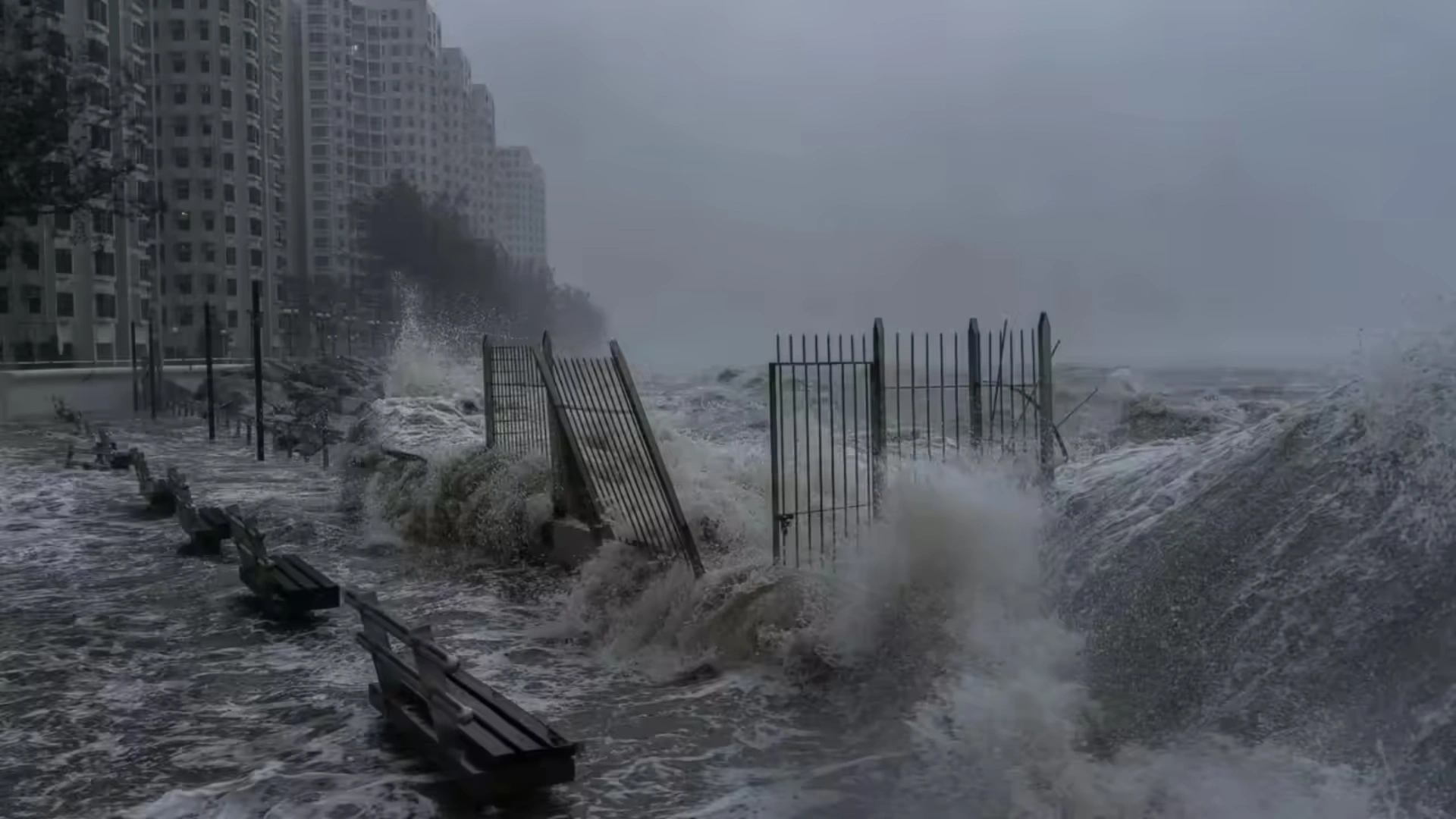
Super Typhoon Ragasa has brought devastation to Taiwan, resulting in at least 14 fatalities after a barrier lake breached its banks. The storm unleashed torrential rainfall and powerful winds, causing widespread flooding and infrastructure damage across the island. Rescue efforts are underway, but the scale of the disaster is hampering access to affected areas.
The barrier lake, designed to mitigate flooding, succumbed to the overwhelming volume of water brought by the typhoon. Its failure exacerbated the already dire situation, inundating nearby communities and contributing to the rising death toll. Authorities are investigating the structural integrity of the dam and assessing the factors that led to its collapse.
Impact on Communities
The typhoon’s impact has been particularly severe in rural areas, where infrastructure is less robust and communities are more vulnerable to extreme weather events. Many homes have been destroyed or severely damaged, and residents have been displaced from their homes. Emergency shelters have been established to provide temporary housing and support for those affected.
The agricultural sector has also suffered significant losses, with crops destroyed and livestock lost. The typhoon has disrupted supply chains, leading to shortages of essential goods and price increases in some areas. The government is working to provide assistance to farmers and ensure food security in the affected regions.
Rescue and Relief Efforts
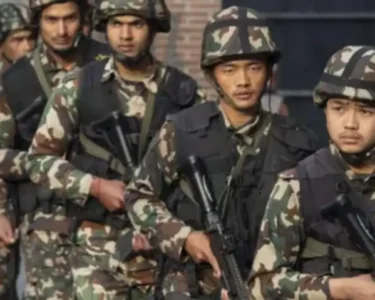
Rescue teams are battling challenging conditions to reach stranded residents and provide medical assistance. Helicopters are being used to evacuate people from isolated areas, and ground crews are working to clear roads and restore access to cut-off communities. International aid organizations have offered assistance, and relief supplies are being mobilized to support the affected population.
The government has declared a state of emergency and is coordinating the response efforts. Resources are being allocated to provide temporary shelter, food, water, and medical care to those in need. Engineers are working to repair damaged infrastructure and restore essential services, such as electricity and water supply.
Looking Ahead
The aftermath of Typhoon Ragasa will require a long-term recovery effort. The government is committed to rebuilding damaged infrastructure, supporting affected communities, and strengthening disaster preparedness measures. Lessons learned from this event will be crucial in mitigating the impact of future typhoons and protecting vulnerable populations. The focus now shifts to ensuring the safety and well-being of the survivors and helping them rebuild their lives.
Climate change is believed to be playing a role in the increasing frequency and intensity of extreme weather events like Typhoon Ragasa. Scientists warn that such events are likely to become more common in the future, highlighting the need for global action to reduce greenhouse gas emissions and adapt to the changing climate.
Image Source: Google | Image Credit: Respective Owner