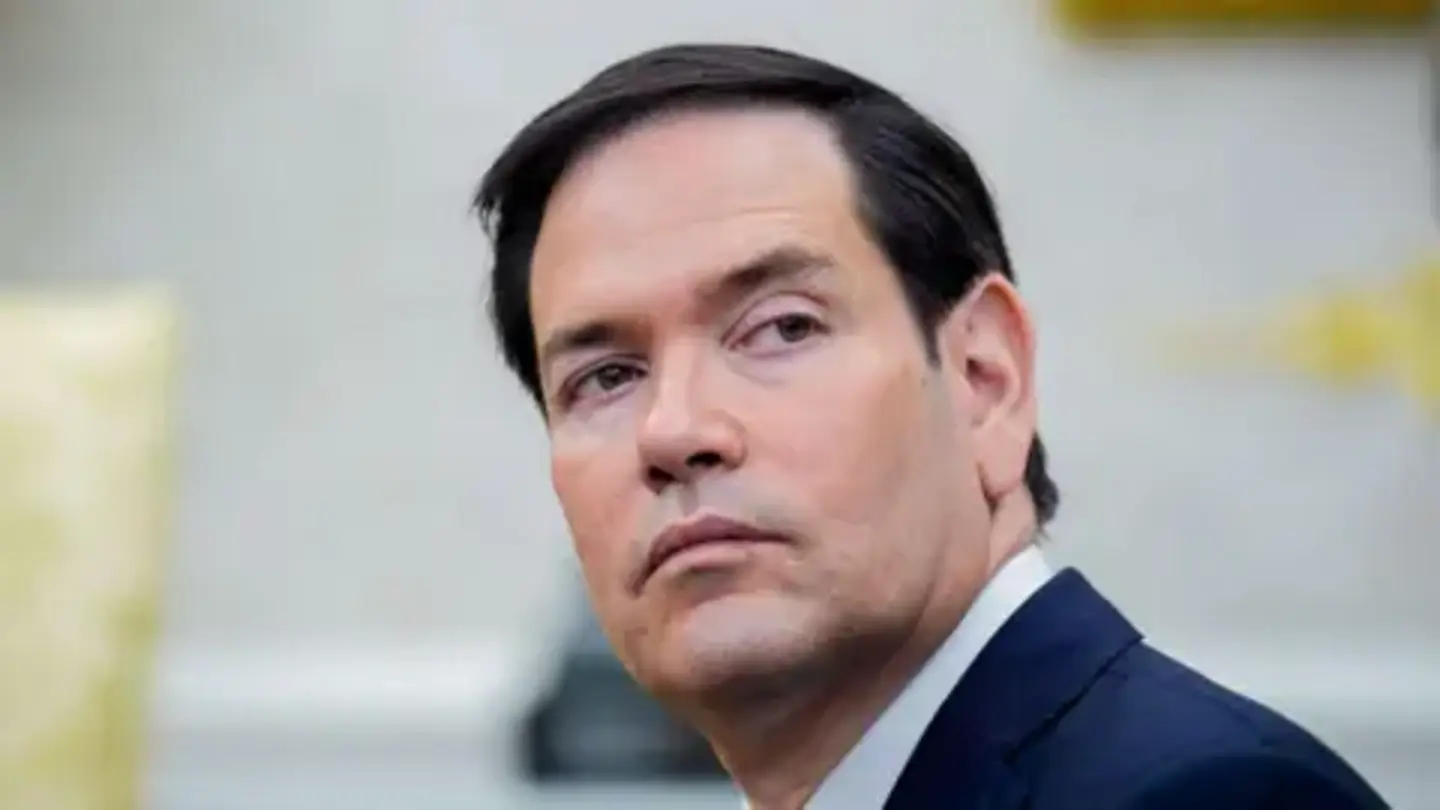
Senator Marco Rubio has expressed concerns regarding India’s continued purchases of Russian oil, hinting at potential additional sanctions to address the situation. His remarks highlight the ongoing complexities in international relations amid the war in Ukraine, as many nations grapple with balancing energy needs and geopolitical pressures.
Rubio’s comments came against the backdrop of increasing scrutiny on nations that maintain economic ties with Russia, particularly in the energy sector. India, a major energy consumer, has significantly increased its imports of discounted Russian crude oil since the conflict began, raising eyebrows among Western allies who are trying to isolate Moscow economically. The senator’s statement underscores the delicate balance the U.S. government is trying to strike between encouraging allies to reduce their reliance on Russian energy and avoiding actions that could destabilize global markets or unduly harm their economies.
India’s Energy Strategy
India has defended its oil purchases from Russia, emphasizing its need to secure affordable energy to meet the demands of its large and growing population. Indian officials have repeatedly stated that energy security is a paramount concern and that they are pursuing a diversified energy strategy, including exploring alternative sources. However, the significant discounts offered by Russia on its crude oil have made it an attractive option for India, especially as global oil prices have remained volatile.
The senator’s statements suggest that the U.S. may be considering further measures to discourage countries from purchasing Russian oil, potentially including secondary sanctions targeting entities involved in facilitating these transactions. However, such actions could have broader implications, including potentially disrupting global energy markets and straining relations with key partners like India.
Geopolitical Implications
The situation underscores the geopolitical complexities of the war in Ukraine and the challenges of building a unified global front against Russian aggression. While many Western nations have imposed sanctions on Russia, some countries, particularly in the developing world, have been reluctant to fully align with these measures, citing concerns about energy security and economic stability. The differing perspectives on how to respond to Russia’s actions highlight the diverse interests and priorities of nations in a multipolar world.
Rubio’s remarks serve as a reminder that the U.S. is actively monitoring the economic relationships of its allies with Russia and is prepared to take action if it believes those relationships are undermining efforts to isolate Moscow. The senator’s expression of hope that the situation can be resolved indicates a desire to find a diplomatic solution, but his mention of potential sanctions suggests that the U.S. is also willing to exert economic pressure to achieve its goals.
The coming months will likely see continued discussions between the U.S. and India regarding energy policy and the broader geopolitical landscape. Finding a mutually acceptable solution that addresses both U.S. concerns about Russia and India’s energy needs will be crucial for maintaining a strong and cooperative relationship between the two countries.
Image Source: Google | Image Credit: Respective Owner