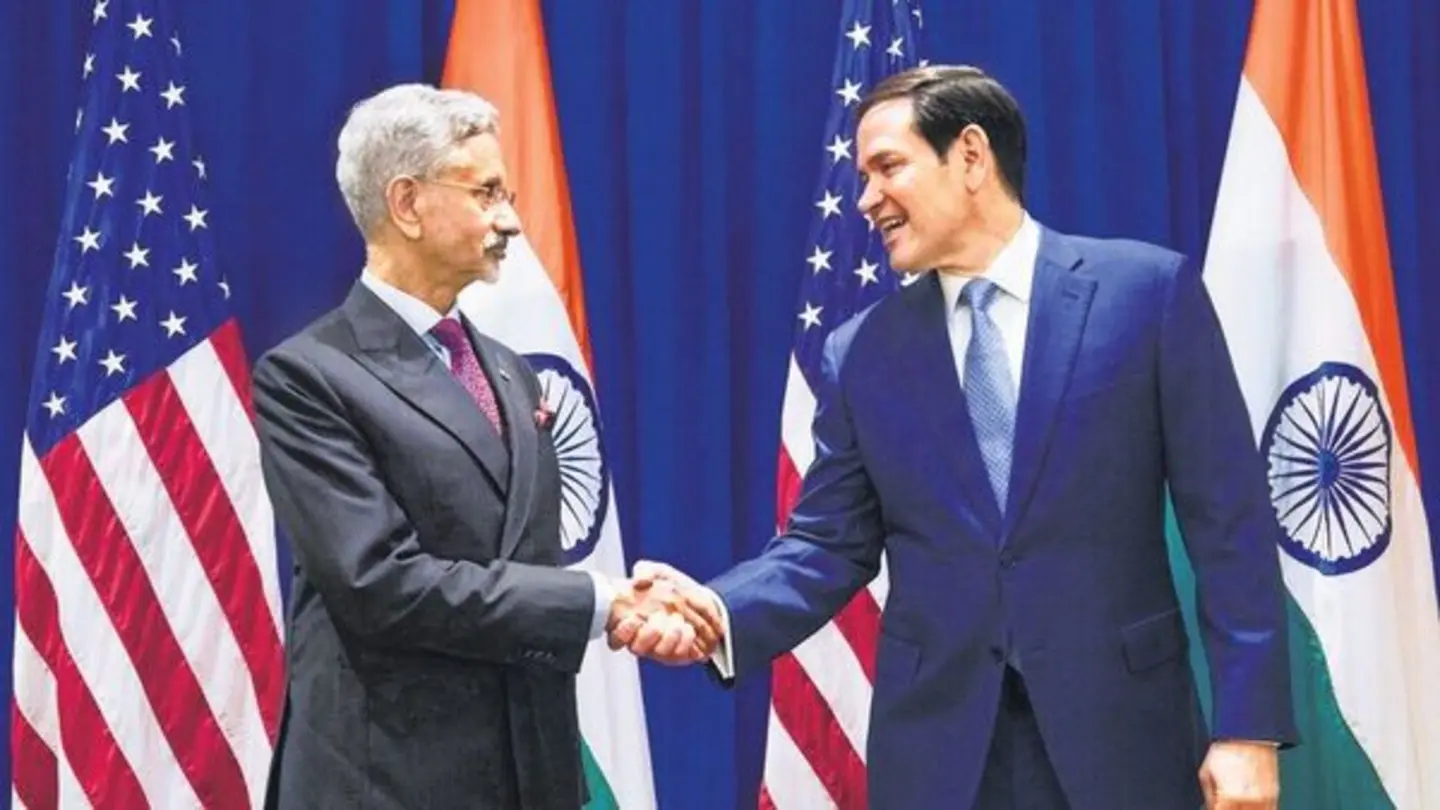
External Affairs Minister S. Jaishankar and Commerce Minister Piyush Goyal are in New York City engaging with key US figures amid ongoing trade tensions and concerns over potential H-1B visa fee hikes. Jaishankar met with Senator Marco Rubio, while Goyal held discussions with Michael Green, CEO of the US Chamber of Commerce. These meetings occur against the backdrop of India-US trade dynamics complicated by tariffs and proposed changes to the H-1B visa program.
Focus on Trade and Visa Issues
The discussions in New York are critical for addressing points of friction in the India-US relationship. Trade has been a consistent area of discussion, particularly concerning tariffs imposed by both countries on specific goods. The US has expressed concerns about market access for certain American products in India, while India seeks greater access to the US market for its goods and services.
The proposed increase in H-1B visa fees is another significant point of contention. Indian IT companies rely heavily on the H-1B visa program to deploy skilled professionals to the US. A fee hike could substantially increase operational costs for these companies and potentially impact their competitiveness. The Indian government has consistently raised this issue with the US administration, emphasizing the importance of the H-1B program for both economies.
Strategic Implications
The India-US relationship is strategically important, encompassing defense cooperation, counter-terrorism efforts, and economic partnership. However, trade imbalances and visa restrictions can strain this relationship. Diplomatic efforts like these meetings are essential for navigating these challenges and fostering a more balanced and mutually beneficial partnership.
Jaishankar’s meeting with Senator Rubio, a prominent voice in US foreign policy, underscores the importance of engaging with lawmakers to build support for stronger India-US ties. Similarly, Goyal’s discussions with the US Chamber of Commerce highlight the need for dialogue with the business community to address trade-related concerns and promote investment.
The outcomes of these meetings could influence the trajectory of India-US relations in the coming months. Addressing trade disputes, finding a solution on the H-1B visa issue, and fostering greater economic cooperation are crucial steps for ensuring a robust and resilient partnership. Both nations have a vested interest in maintaining a strong relationship, given the shared strategic goals and economic interdependence. Future dialogues and negotiations will likely focus on creating a more equitable and predictable trade environment, as well as ensuring fair access to the US visa system for Indian professionals.
The coming weeks will be crucial in determining whether these diplomatic efforts can translate into concrete progress on key issues, paving the way for a stronger and more stable India-US partnership. The world will be watching to see if these discussions can de-escalate tensions and chart a path toward smoother trade relations and visa policies.
Image Source: Google | Image Credit: Respective Owner