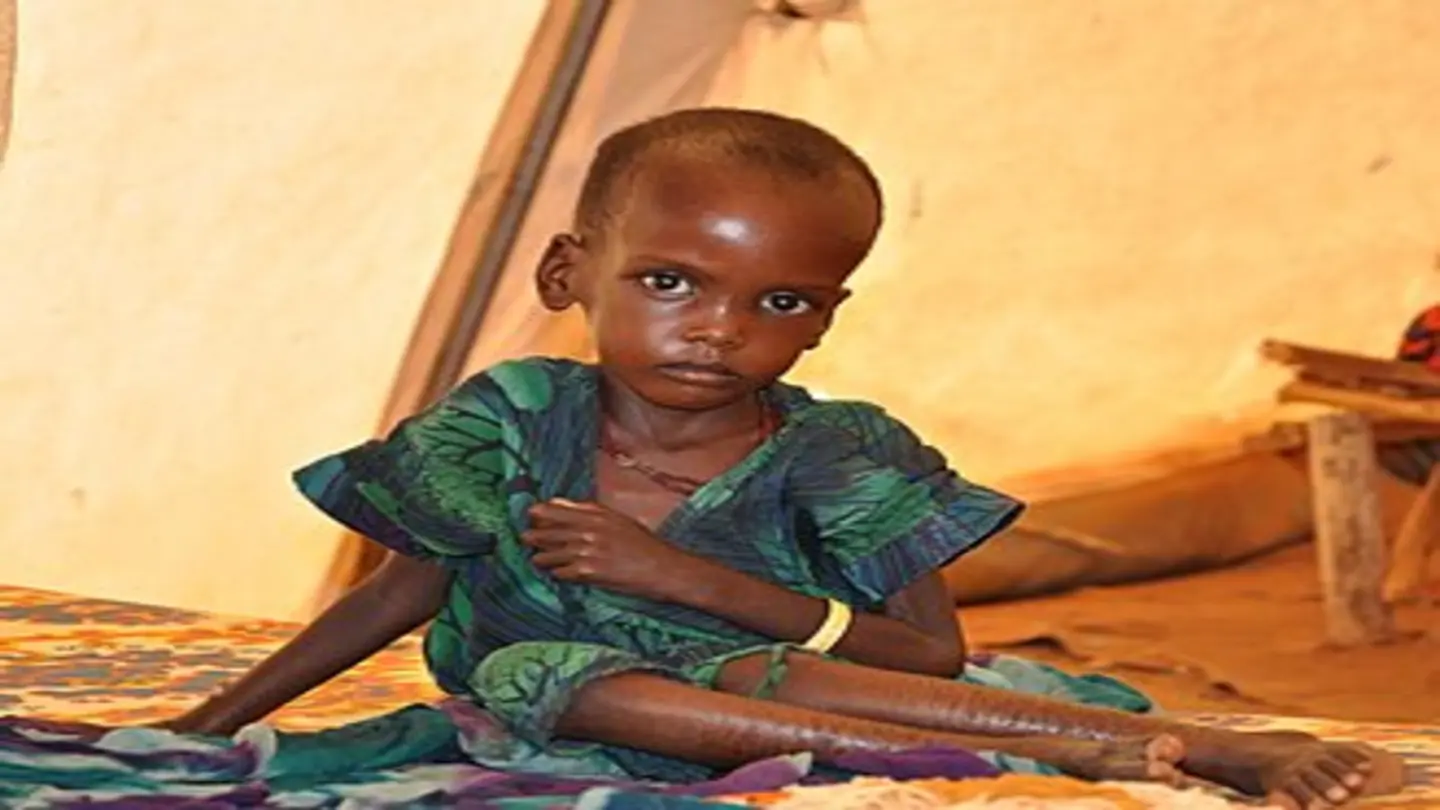
A concerning paradox is emerging globally: the hidden link between undernutrition and the rising rates of obesity and diabetes. Experts are sounding the alarm about this complex interplay, where a lack of essential nutrients early in life can paradoxically increase the risk of developing these chronic conditions later on. The issue is particularly prevalent in developing countries, where undernutrition and food insecurity coexist with the growing availability of processed, calorie-dense foods.
The Undernutrition-Obesity Connection
Undernutrition during critical developmental stages, such as pregnancy and early childhood, can lead to metabolic adaptations that make individuals more susceptible to weight gain and insulin resistance. When deprived of essential nutrients, the body may prioritize energy storage, leading to a “thrifty phenotype.” This adaptation, while helpful for survival in times of scarcity, can become detrimental when food becomes readily available. Consequently, individuals who experienced undernutrition early in life may be more likely to develop obesity and type 2 diabetes, even with relatively modest increases in caloric intake.
The Role of Processed Foods
The increasing availability of inexpensive, processed foods exacerbates the problem. These foods are often high in calories, unhealthy fats, and added sugars but low in essential nutrients. This combination can lead to a situation where individuals are simultaneously overfed and undernourished, further disrupting metabolic processes and increasing the risk of chronic diseases. The shift towards processed foods is particularly concerning in developing countries, where traditional diets are being replaced by less nutritious options.
Global Implications and Solutions
This issue has far-reaching implications for global health and development. Addressing the problem requires a multifaceted approach that includes improving access to nutritious foods, promoting healthy eating habits, and implementing policies that support sustainable food systems. Fortification of staple foods with essential vitamins and minerals, public health campaigns to raise awareness about the importance of a balanced diet, and interventions to support breastfeeding and early childhood nutrition are crucial steps. Furthermore, efforts to reduce poverty and improve food security are essential for breaking the cycle of undernutrition and chronic disease. The World Health Organization and other international organizations are working to address this global challenge, but more concerted action is needed at the national and local levels to ensure that everyone has access to the nutritious foods they need to thrive. Investing in nutrition is not just a matter of public health; it is also an investment in economic development and social well-being. By addressing the root causes of undernutrition, we can create healthier, more resilient communities and prevent the rising tide of obesity and diabetes.
Image Source: Google | Image Credit: Respective Owner