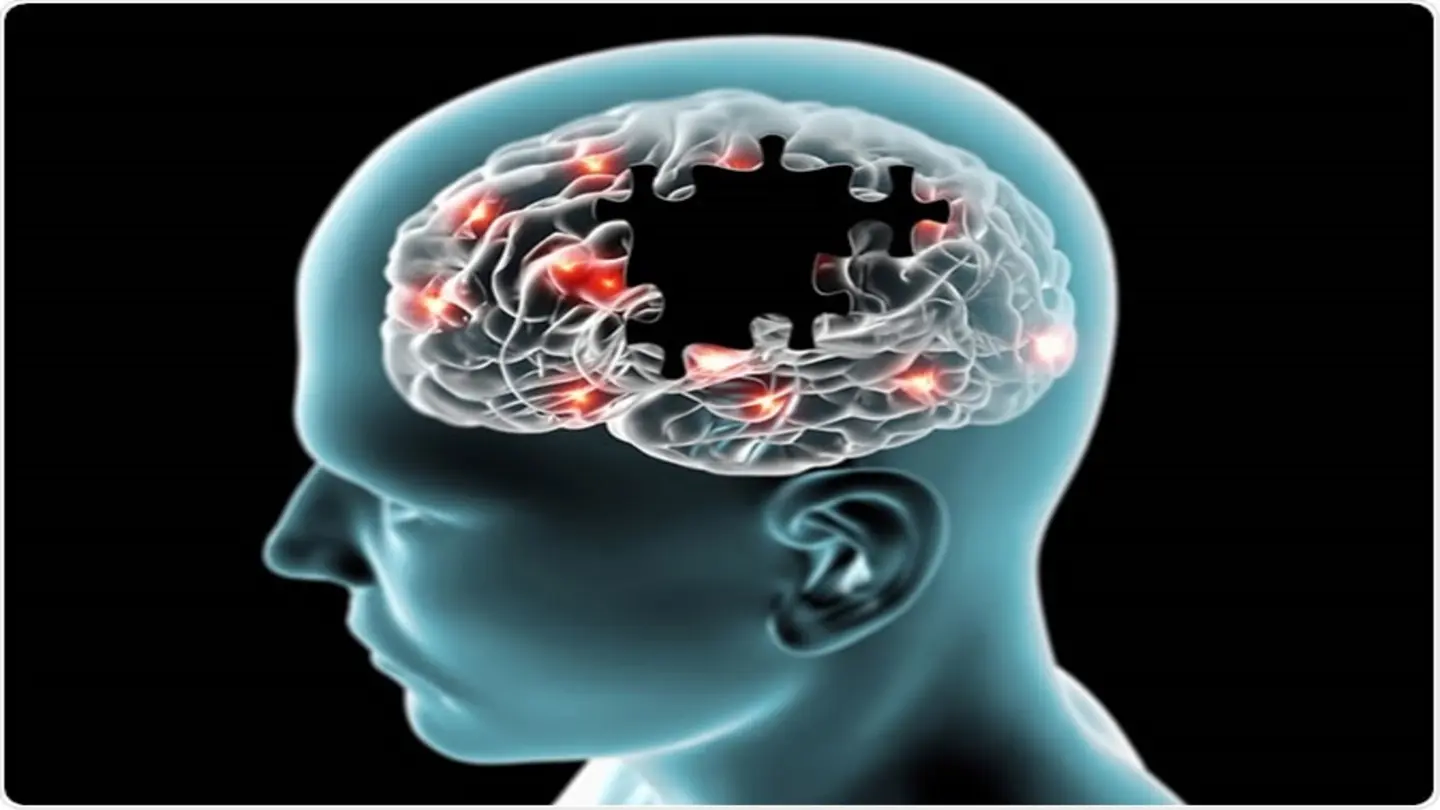
Dr. Poonam Santhosh highlights the strong correlation between Alzheimer’s disease and depression, noting that a significant proportion of Alzheimer’s patients experience depressive symptoms. This comorbidity poses diagnostic and management challenges, requiring a nuanced approach to care.
Prevalence and Overlap of Symptoms
According to Dr. Santhosh, approximately one in three individuals with Alzheimer’s also exhibit symptoms of depression. This overlap can complicate the diagnostic process, as some symptoms of depression, such as cognitive impairment and apathy, can mimic or exacerbate the cognitive decline associated with Alzheimer’s. Differentiating between the two conditions is crucial for appropriate intervention.
The presence of depression in Alzheimer’s patients can significantly impact their quality of life and overall prognosis. Depressed individuals may experience decreased motivation, social withdrawal, and a reduced ability to perform daily activities. This can accelerate cognitive decline and increase the burden on caregivers.
Diagnostic Considerations
Diagnosing depression in Alzheimer’s patients requires careful clinical assessment, taking into account the individual’s cognitive status and medical history. Standard depression screening tools may need to be adapted or supplemented with observational data and caregiver input. It is essential to rule out other potential causes of depressive symptoms, such as medication side effects or underlying medical conditions.
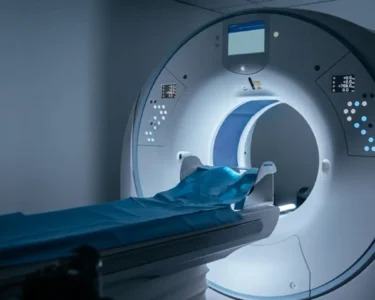
Neuroimaging techniques, such as MRI and PET scans, can sometimes provide additional information to help differentiate between Alzheimer’s disease and depression. However, these tools are not always definitive and should be used in conjunction with clinical evaluation.
Management Strategies
Managing depression in Alzheimer’s patients involves a multifaceted approach that may include pharmacological and non-pharmacological interventions. Antidepressant medications, such as selective serotonin reuptake inhibitors (SSRIs), can be effective in reducing depressive symptoms and improving mood. However, it is important to consider potential side effects and drug interactions, particularly in older adults with multiple comorbidities.
Non-pharmacological interventions, such as cognitive behavioral therapy (CBT) and reminiscence therapy, can also be beneficial in managing depression in Alzheimer’s patients. These therapies aim to improve coping skills, enhance social engagement, and promote emotional well-being. Caregiver support and education are also essential components of a comprehensive management plan.
The Role of Caregivers
Caregivers play a vital role in identifying and managing depression in Alzheimer’s patients. They are often the first to notice changes in mood, behavior, and functional abilities. Caregivers should be educated about the signs and symptoms of depression and encouraged to seek professional help if they have concerns. Providing caregivers with adequate support and resources is crucial for their own well-being and their ability to provide optimal care for their loved ones.
Ultimately, addressing the link between Alzheimer’s disease and depression requires a collaborative effort involving healthcare professionals, caregivers, and the individual with dementia. Early detection, accurate diagnosis, and comprehensive management are essential for improving outcomes and enhancing the quality of life for those affected by these conditions.
Image Source: Google | Image Credit: Respective Owner