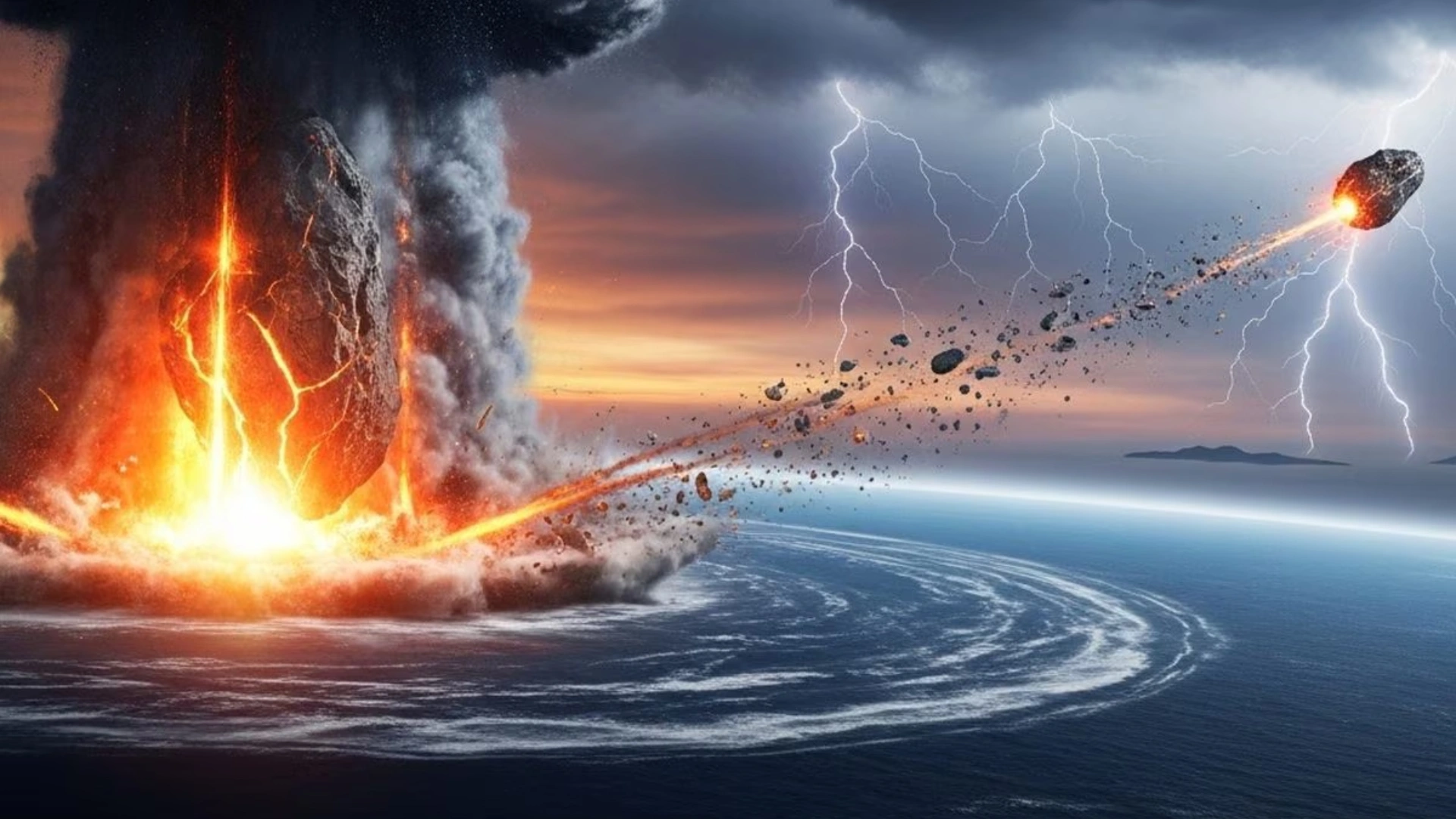
Scientists have confirmed that the Silverpit crater, a large depression located beneath the North Sea, was created by an asteroid impact. This discovery sheds light on the geological history of the region and provides valuable insights into the potential consequences of extraterrestrial collisions on Earth. The research, published in a leading scientific journal, details the evidence supporting the asteroid impact origin of the crater.
The Silverpit crater, measuring approximately 2.5 miles (4 kilometers) in diameter, was first discovered in 2002 using seismic data. Its unusual circular structure sparked immediate interest among geologists, who debated its formation mechanism. Some initially suggested volcanic activity or salt diapirism as possible explanations, but the accumulating evidence now strongly favors an asteroid impact.
Evidence of Impact
Researchers analyzed high-resolution seismic data and geological samples from the seabed around the Silverpit crater. They identified several key features indicative of an impact event, including shocked quartz, a mineral that forms under extremely high pressure conditions typically associated with asteroid impacts. The presence of shatter cones, distinctive cone-shaped fractures in rocks, also supports the impact hypothesis. Furthermore, the team found evidence of a central uplift, a characteristic feature of complex impact craters, where the bedrock rebounds after the initial impact.
The study estimates that the asteroid responsible for creating the Silverpit crater was approximately 0.19 miles (300 meters) in diameter. The impact would have generated a powerful shockwave and a massive tsunami, potentially affecting coastlines hundreds of miles away. The exact age of the impact is still under investigation, but scientists believe it occurred during the Early Pleistocene epoch, roughly 1.5 to 2 million years ago.
“This discovery provides valuable information about the frequency and potential effects of asteroid impacts on our planet,” said Dr. Emily Carter, lead author of the study. “While large-scale impacts are relatively rare, they can have catastrophic consequences for the environment and life on Earth. Studying impact craters like Silverpit helps us better understand these risks and develop strategies for mitigating them.”
The research team plans to conduct further studies to refine the age of the impact and to model the potential effects of the resulting tsunami. They also hope to identify similar impact structures in other regions of the world to gain a more comprehensive understanding of the role of asteroid impacts in shaping Earth’s geological history. The Silverpit crater serves as a reminder of the dynamic forces that have shaped our planet over millions of years and the ongoing threat posed by extraterrestrial objects.
Image Source: Google | Image Credit: Respective Owner