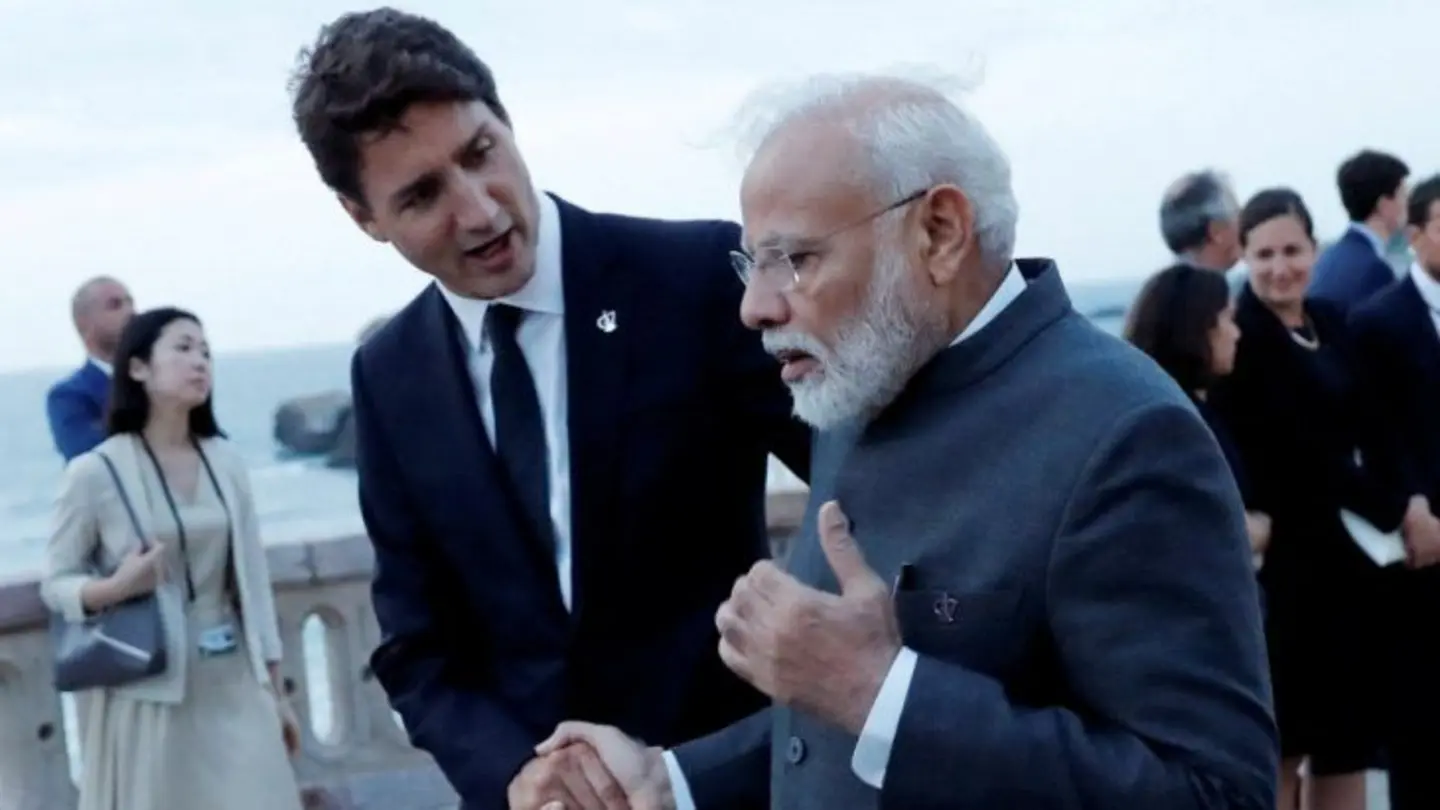
India and Canada have agreed to work towards a “way forward” and a “new chapter” in their bilateral relations, signaling a potential thaw in diplomatic tensions. The agreement comes amidst strained relations following allegations made by Canadian Prime Minister Justin Trudeau regarding the involvement of Indian government agents in the killing of Hardeep Singh Nijjar, a Khalistani separatist leader, in Canada last year. India has vehemently denied these allegations, calling them baseless and politically motivated.
The announcement suggests a willingness from both sides to de-escalate the situation and explore avenues for constructive dialogue. While specific details of the agreed-upon “way forward” remain undisclosed, the commitment to a “new chapter” implies a desire to move beyond the current impasse and rebuild trust. This development could pave the way for renewed cooperation in various sectors, including trade, investment, and security.
Recent Tensions and Diplomatic Fallout
The relationship between India and Canada has been fraught with challenges in recent years, particularly concerning the issue of Khalistani separatism. Canada’s large Sikh diaspora includes a segment that supports the creation of an independent Khalistani state in India. India has expressed concerns about the activities of some of these groups, alleging that they promote violence and extremism. Trudeau’s allegations further exacerbated the situation, leading to a tit-for-tat expulsion of diplomats and a freeze in bilateral engagements.
The diplomatic fallout has had tangible consequences, affecting trade and investment flows between the two countries. Negotiations for a comprehensive trade agreement have been stalled, and there have been reports of increased scrutiny of visa applications for Indian citizens seeking to travel to Canada.
Implications and Future Prospects
The agreement to work towards a “way forward” represents a significant step towards repairing the damaged relationship. It signals a recognition from both sides that continued confrontation is not in their best interests. India and Canada share deep historical ties and a vibrant people-to-people connection, with a large Indian diaspora playing a vital role in Canadian society. Both countries also have converging interests in areas such as combating climate change and promoting regional stability.
Analysts suggest that the path ahead will require careful diplomacy and a willingness to address each other’s concerns. Canada needs to be mindful of India’s sensitivities regarding Khalistani separatism, while India needs to address concerns about human rights and the rule of law. The success of this “new chapter” will depend on the ability of both governments to build trust and create a conducive environment for cooperation. The focus will likely be on de-escalating tensions, fostering open communication, and identifying areas of mutual interest where collaboration can be strengthened. Resuming trade negotiations and addressing visa processing issues could be early steps in this direction. The commitment to dialogue is crucial to resolve outstanding disputes and forging a stronger, more resilient partnership for the future.
Image Source: Google | Image Credit: Respective Owner