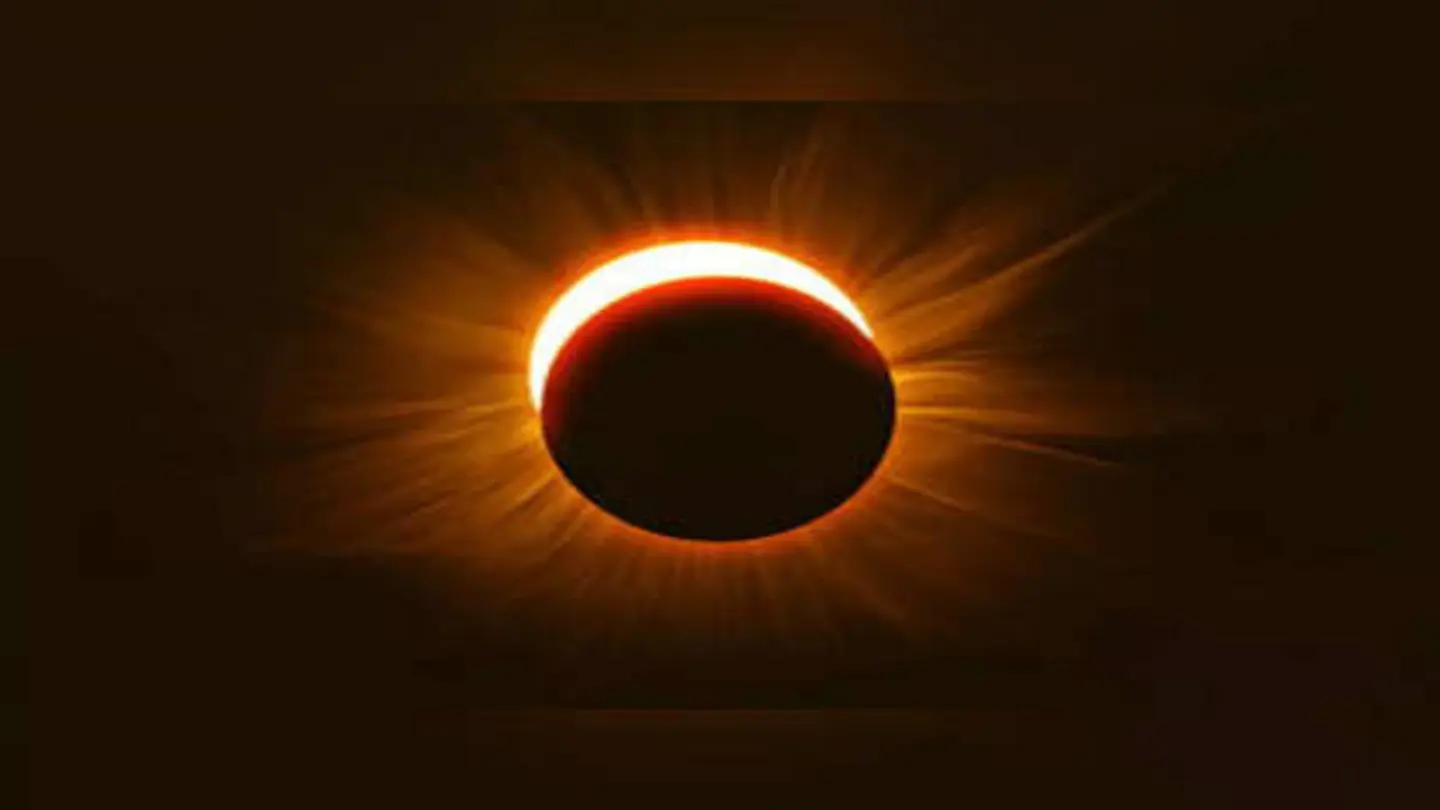
A solar eclipse, or surya grahan, is a celestial event that has fascinated humanity for centuries. In 2025, skywatchers are eagerly anticipating the possibility of a solar eclipse in September. This phenomenon occurs when the Moon passes between the Sun and the Earth, casting a shadow and temporarily blocking the Sun’s light. While solar eclipses are not uncommon, their visibility and specific characteristics vary depending on the observer’s location.
The Times of India reports on the potential for a solar eclipse in September 2025, detailing key information such as timings and visibility. For those interested in astronomy and celestial events, knowing when and where to observe a solar eclipse is crucial. It allows enthusiasts and researchers alike to prepare equipment and plan observations.
Understanding Solar Eclipses
Solar eclipses are categorized into three main types: total, partial, and annular. A total solar eclipse happens when the Moon completely obscures the Sun, turning day into twilight for a brief period. A partial solar eclipse occurs when the Moon only partially covers the Sun, resulting in a less dramatic effect. An annular solar eclipse happens when the Moon is farther from the Earth, causing it to appear smaller and leave a bright ring of sunlight visible around the Moon’s silhouette.
The anticipation surrounding the potential September 2025 eclipse stems from the rarity of experiencing such events. Solar eclipses require a precise alignment of the Sun, Moon, and Earth, making them somewhat infrequent from any given location. Calculating the timings and visibility is a complex process involving astronomical data and mathematical models.
Importance of Safe Viewing
Observing a solar eclipse requires extreme caution. Looking directly at the Sun, even during an eclipse, can cause severe eye damage or even blindness. The only safe way to view a solar eclipse is through special-purpose solar filters, such as eclipse glasses or handheld solar viewers that meet the ISO 12312-2 international safety standard. Regular sunglasses, cameras, telescopes, or binoculars without proper filters are not safe for viewing a solar eclipse.
The upcoming eclipse provides an excellent opportunity for educational outreach. Science centers, schools, and astronomy clubs often organize viewing events and provide information about solar eclipses and safe viewing practices. These events can raise awareness about astronomy and inspire interest in science among students and the general public. As September 2025 approaches, detailed forecasts and viewing guides will become available to help people plan their observations and appreciate the wonders of the cosmos.
The solar eclipse is a reminder of the dynamic nature of our solar system and the intricate dance of celestial bodies. It is a moment to marvel at the beauty and complexity of the universe and to appreciate the scientific knowledge that allows us to predict and understand these phenomena.
Image Source: Google | Image Credit: Respective Owner