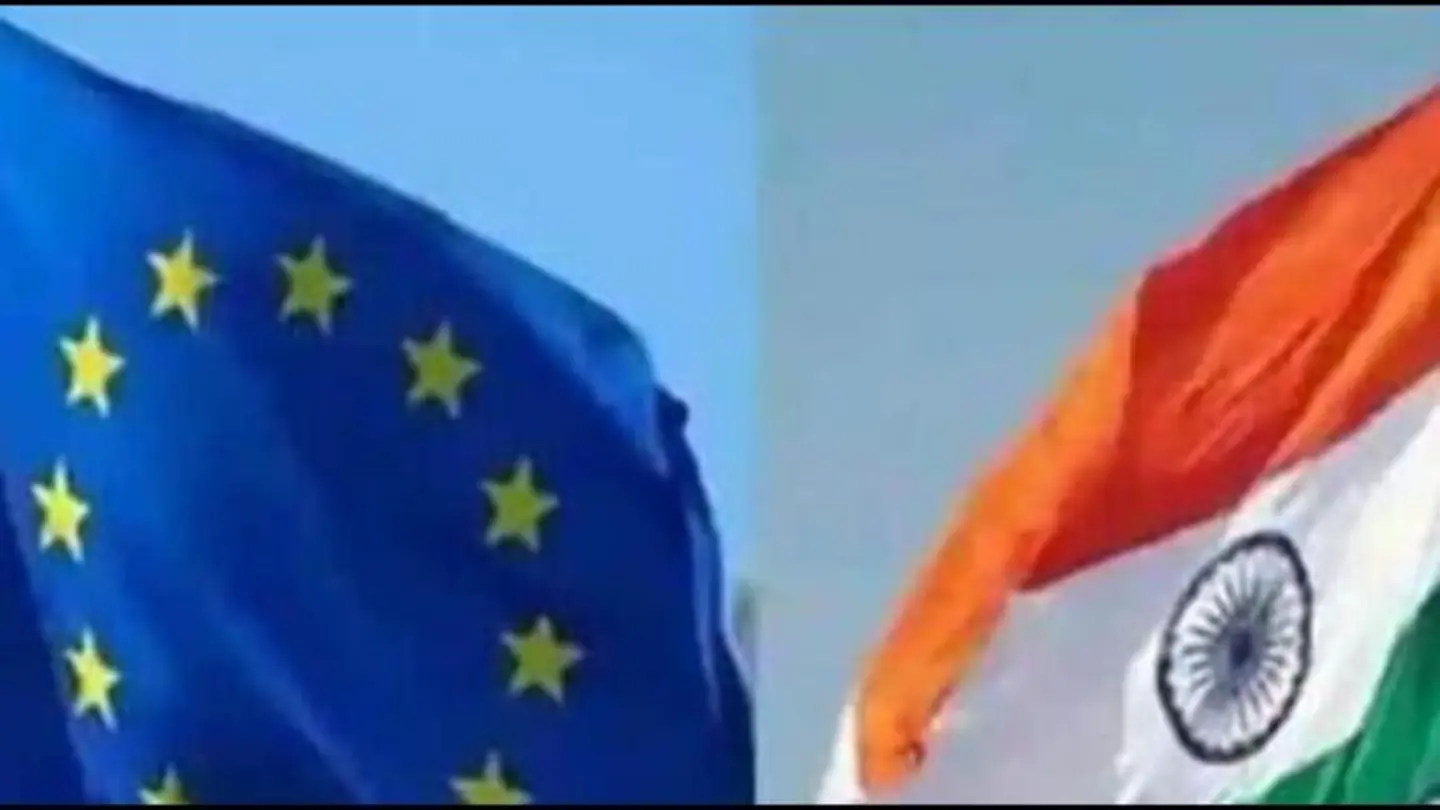
The European Union is reportedly preparing a new round of sanctions against Russia, with several Indian entities potentially included in the list. This move signals a toughening stance by the EU towards companies and individuals perceived to be aiding Russia in circumventing existing sanctions related to its war in Ukraine. The proposed sanctions package aims to further restrict Russia’s access to key technologies and resources, thereby hindering its military capabilities and economic stability.
Details of the Proposed Sanctions
While the specific details of the new sanctions package remain confidential pending official release, sources indicate that the measures will target individuals and entities across various sectors, including defense, technology, and finance. The inclusion of Indian entities suggests that the EU has identified specific instances where Indian companies are suspected of facilitating the flow of restricted goods or technologies to Russia. The EU’s decision-making process involves extensive consultations among member states, and the final sanctions list will be subject to approval by all 27 member countries.
The potential impact of these sanctions on Indian entities could be significant. Companies included in the list may face restrictions on conducting business within the EU, including asset freezes and travel bans for key personnel. Furthermore, these sanctions could damage the reputation of Indian companies and potentially deter other international partners from engaging with them. The Indian government has yet to officially comment on the matter, but it is likely to closely monitor the situation and engage in discussions with the EU to understand the rationale behind the proposed sanctions and explore potential avenues for addressing any concerns.
The EU’s move comes amid growing international pressure on Russia to end its military aggression in Ukraine. Western nations have implemented a series of sanctions targeting Russia’s financial system, energy sector, and defense industry. These measures aim to weaken Russia’s ability to finance the war and exert pressure on the Kremlin to change its course. However, the effectiveness of these sanctions has been debated, with some arguing that Russia has been able to adapt and find alternative sources of supply. The inclusion of third-country entities in the sanctions regime reflects a broader effort to close loopholes and prevent Russia from circumventing existing restrictions.
The evolving geopolitical landscape has placed India in a delicate position. While India has maintained a neutral stance on the Ukraine conflict, it has also sought to strengthen its economic ties with Russia. India’s reliance on Russian arms and energy resources has complicated its relationship with Western powers, who have urged New Delhi to condemn Russia’s actions more forcefully. The potential inclusion of Indian entities in the EU’s sanctions list could further strain these relationships and force India to reassess its strategic alignment. The coming weeks will be crucial as the EU finalizes its sanctions package and India responds to these developments. The outcome could have significant implications for the future of India-EU relations and the broader global effort to address the crisis in Ukraine.
Image Source: Google | Image Credit: Respective Owner