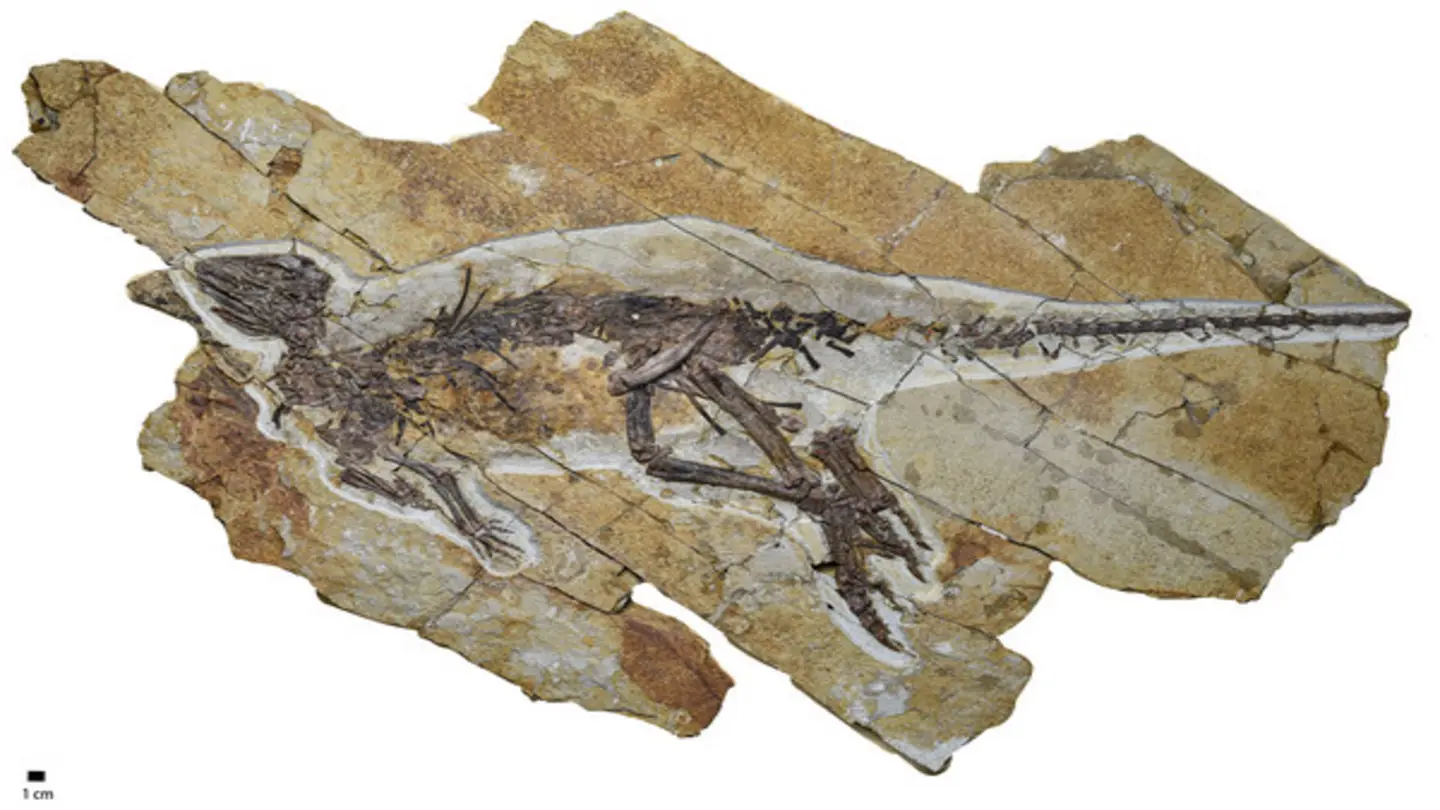
Paleontologists have announced the discovery of a new species of dome-headed dinosaur, Micropachycephalosaurus mongoliensis, from fossils unearthed in Mongolia. This exciting find sheds light on the diversity of pachycephalosaurids, a group of ornithischian dinosaurs known for their thickened skulls. The discovery, detailed in a recent issue of the Journal of Vertebrate Paleontology, marks a significant contribution to our understanding of dinosaur evolution and paleobiogeography during the Late Cretaceous period.
The fossil material includes portions of the skull roof, specifically showing the distinctive dome structure that characterizes pachycephalosaurs. This dome is believed to have been used for intraspecific competition, such as head-butting displays, although alternative theories suggest it may have had a role in species recognition or thermoregulation. The researchers employed advanced imaging techniques to analyze the internal structure of the dome, providing insights into its growth patterns and biomechanical properties.
Significance of the Discovery
The Mongolian fossil site, which has been a rich source of dinosaur remains for decades, continues to yield important discoveries. The location provides invaluable information about the ancient ecosystems that thrived in Central Asia during the Mesozoic Era. The discovery of Micropachycephalosaurus mongoliensis further emphasizes the importance of continued paleontological research in this region.
Dr. Emily Carter, the lead author of the study, explained that “This new species helps us fill in gaps in our understanding of pachycephalosaur evolution. The unique features of its skull suggest it occupied a distinct ecological niche. The analysis of this small dinosaur’s bone structure shows that it grew fast.”
Further analysis of the fossil site could reveal more complete skeletal remains, which would provide an even more comprehensive picture of the dinosaur’s anatomy and lifestyle. The paleontological team plans to conduct additional excavations in the area next summer, with the hope of uncovering more fossils that will help us better understand the ancient creature and the ecosystem it lived in.
Implications for Dinosaur Evolution
The new discovery contributes to the growing body of knowledge about the evolutionary relationships among pachycephalosaurs. By comparing the features of Micropachycephalosaurus mongoliensis with those of other known species, scientists can refine their understanding of the dinosaur family tree and the factors that drove their diversification. The size and shape of the dome, as well as other skeletal features, provide clues about the dinosaur’s behavior and its interactions with other species in its environment.
The paleontologists involved in the project are excited about the potential for future discoveries in Mongolia and other parts of the world. The study highlights the importance of international collaboration in paleontological research, as scientists from different countries bring their expertise and resources to bear on the challenges of understanding the history of life on Earth. The analysis of Micropachycephalosaurus mongoliensis has opened new avenues of investigation and promises to yield further insights into the fascinating world of dinosaurs.
The fossil is now part of the permanent collection at the Mongolian Paleontological Center, where it will be available for further study by researchers from around the globe.
Image Source: Google | Image Credit: Respective Owner