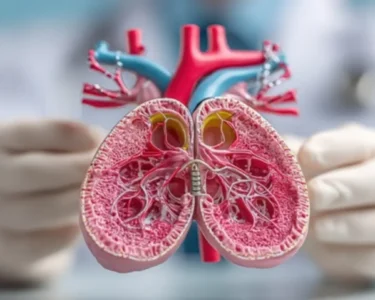
Emerging research suggests that Covid-19 may have a lasting impact on cardiovascular health, even after the acute phase of the illness has passed. Studies indicate a potential link between Covid-19 infection and accelerated arterial aging, raising concerns about long-term risks of heart disease and stroke. The virus appears to affect the endothelial cells lining the arteries, leading to inflammation and potentially speeding up the aging process.
Understanding Arterial Aging
Arterial aging refers to the gradual stiffening and loss of elasticity in the arteries, which is a natural part of growing older. However, certain factors, including high blood pressure, high cholesterol, and inflammation, can accelerate this process. When arteries become stiff, the heart has to work harder to pump blood, increasing the risk of cardiovascular problems. Covid-19 seems to contribute to this stiffening, potentially leading to earlier onset of age-related heart issues.
Researchers are exploring several mechanisms by which Covid-19 could accelerate arterial aging. One hypothesis involves the virus’s ability to trigger a strong inflammatory response, which can damage the delicate endothelial cells that line blood vessels. This damage can lead to the formation of plaques and an increased risk of blood clots. Another possible mechanism is the virus’s direct invasion of vascular tissues, causing long-term damage and dysfunction. Studies are ongoing to understand the precise pathways involved.
The implications of accelerated arterial aging are significant, as it can increase the risk of various cardiovascular events, including heart attacks, strokes, and heart failure. People who have recovered from Covid-19 may need to undergo regular cardiovascular screenings to monitor their heart health and detect any potential problems early on. Healthcare professionals recommend that individuals with a history of Covid-19 maintain a healthy lifestyle, including a balanced diet, regular exercise, and smoking cessation, to mitigate the long-term cardiovascular risks.
Additionally, further research is needed to determine the best strategies for preventing and managing Covid-19-related arterial aging. Clinical trials are being conducted to investigate the potential benefits of various medications and interventions, such as anti-inflammatory drugs and lifestyle modifications. These studies aim to identify effective ways to protect cardiovascular health after Covid-19 infection and minimize the risk of long-term complications.
While the long-term effects of Covid-19 on heart health are still being investigated, the current evidence suggests that it may contribute to accelerated arterial aging and increased cardiovascular risks. Vigilant monitoring and proactive management of heart health are crucial for individuals recovering from Covid-19. Continued research efforts will help to better understand the mechanisms involved and develop effective strategies for prevention and treatment.
In conclusion, the quiet impact of Covid-19 on heart health, particularly the potential for accelerated arterial aging, warrants attention from both healthcare professionals and individuals. Regular screenings, healthy lifestyle choices, and ongoing research are essential for mitigating the long-term cardiovascular risks associated with the virus.
Image Source: Google | Image Credit: Respective Owner