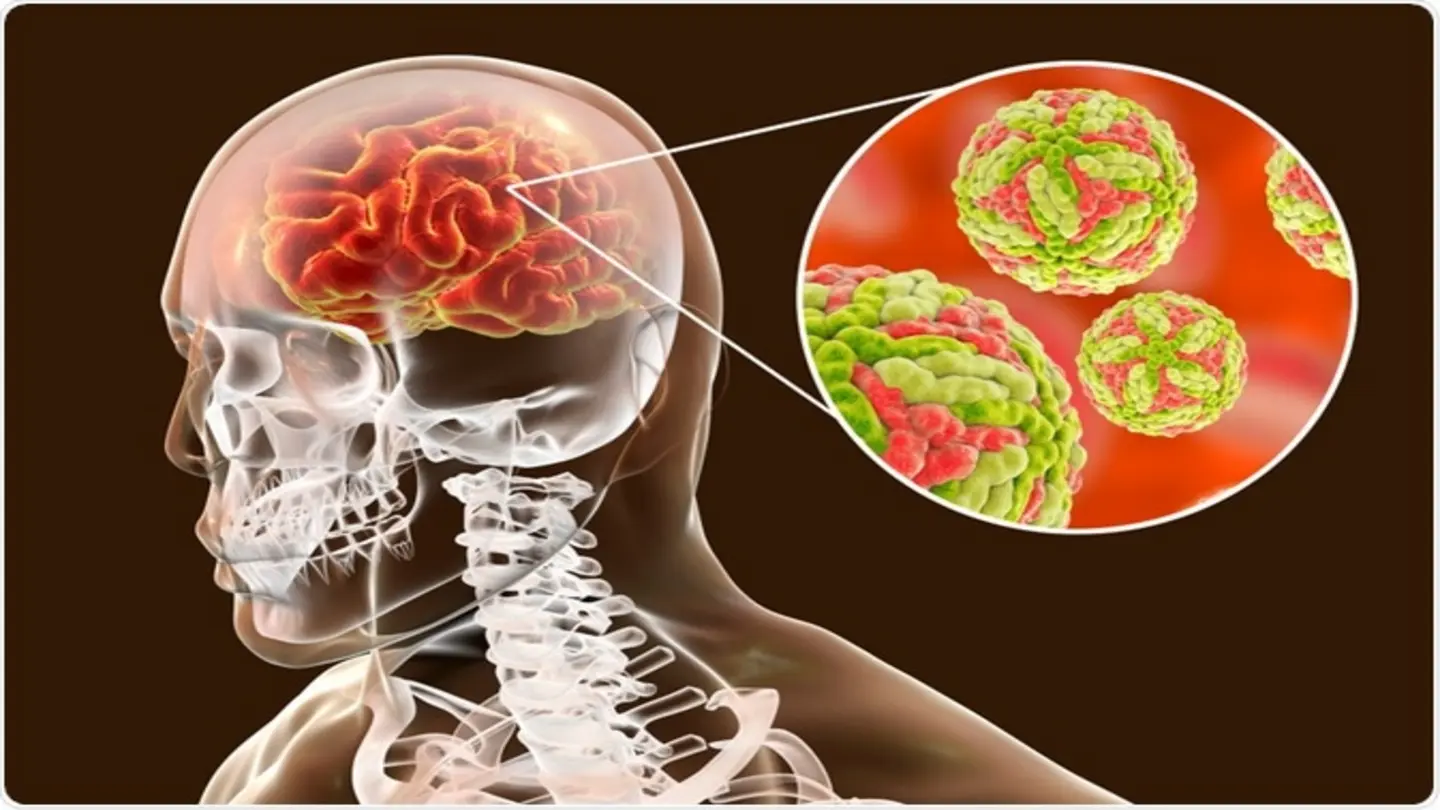
A concerning interplay between waning immunity against Japanese encephalitis (JE) and the severity of dengue fever is emerging as a significant public health challenge. The phenomenon, described as “crosstalk,” highlights how prior exposure to JE can influence the immune response to subsequent dengue infections, potentially leading to more severe outcomes.
Researchers are investigating the mechanisms behind this crosstalk, focusing on the role of antibodies produced during JE infection. These antibodies, while protective against JE, may interact with dengue viruses in a way that enhances their entry into cells, a process known as antibody-dependent enhancement (ADE). ADE is a well-known phenomenon in dengue, where antibodies from a previous dengue infection can paradoxically worsen a subsequent infection with a different dengue serotype.
Understanding Antibody-Dependent Enhancement
The structure of JE and dengue viruses share some similarities, particularly in their surface proteins. This structural similarity may lead JE antibodies to bind to dengue viruses but fail to neutralize them effectively. Instead, these antibodies can act as a bridge, facilitating the entry of dengue viruses into immune cells like macrophages, which then become viral factories, amplifying the infection.
The implications of this crosstalk are particularly concerning in regions where both JE and dengue are endemic. In these areas, a significant proportion of the population may have been exposed to JE, either through natural infection or vaccination. This pre-existing immunity could inadvertently increase the risk of severe dengue in subsequent infections.
Impact on Dengue Severity
Studies have shown a correlation between prior JE exposure and increased severity of dengue, including a higher risk of dengue hemorrhagic fever and dengue shock syndrome. These severe forms of dengue can be life-threatening, particularly in children. The crosstalk effect may also complicate dengue diagnosis, as the presence of JE antibodies can interfere with standard dengue diagnostic tests, leading to inaccurate results and delayed treatment.
Public health officials are emphasizing the need for integrated surveillance and control strategies for both JE and dengue. This includes strengthening vector control measures to reduce mosquito populations, promoting vaccination against JE in endemic areas, and improving dengue diagnosis and clinical management. Further research is crucial to fully understand the mechanisms of this crosstalk and to develop targeted interventions to mitigate its impact. These strategies will require a coordinated effort across various sectors, including healthcare, vector control, and community engagement, to protect vulnerable populations from the combined threat of JE and dengue.
Image Source: Google | Image Credit: Respective Owner