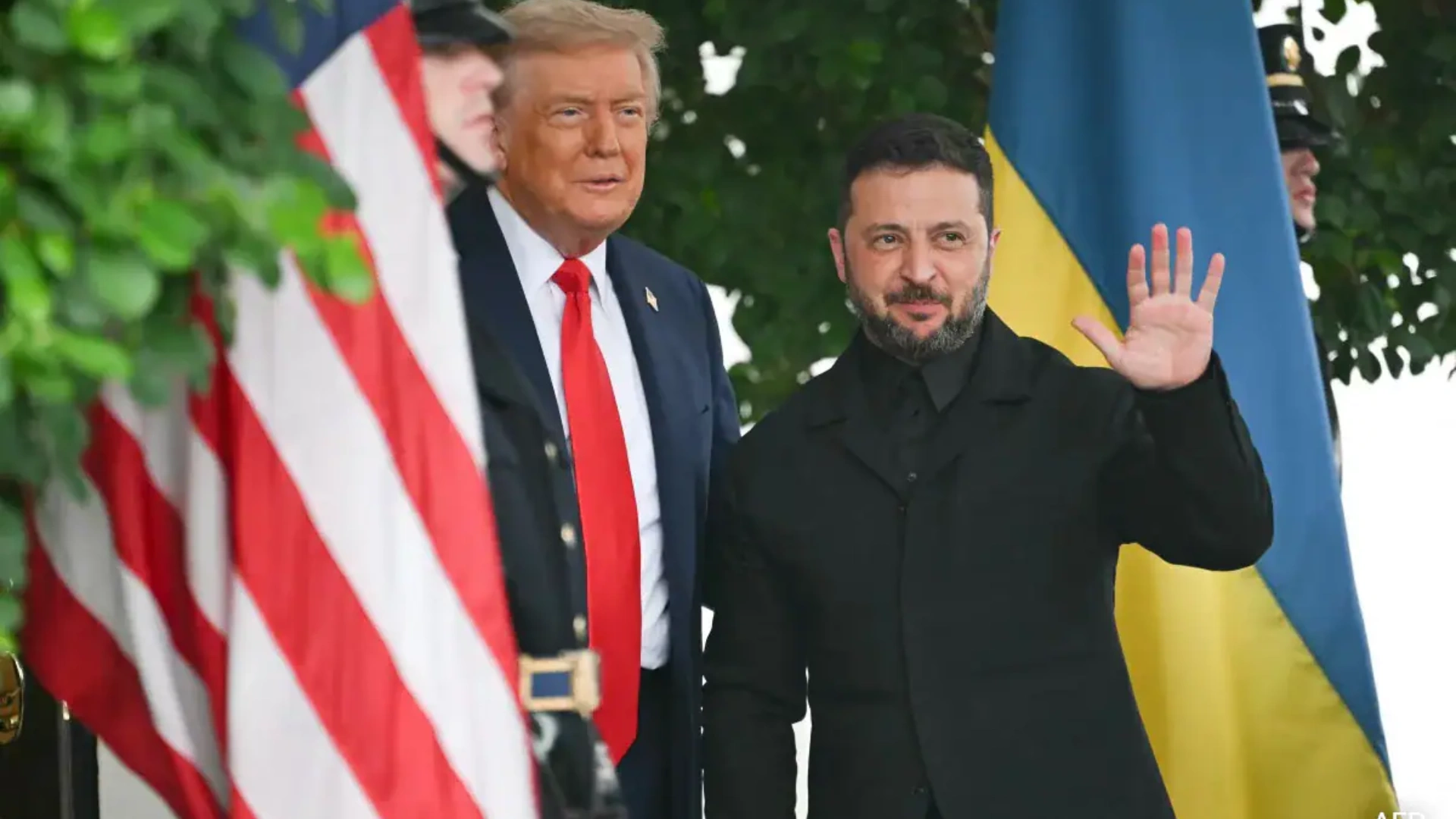
Former US President Donald Trump has urged European nations to immediately cease purchasing oil from Russia, warning that continued dependence on Russian energy resources poses a significant risk. In parallel, Trump advised Ukrainian President Volodymyr Zelenskyy to seek a negotiated settlement with Russia to bring an end to the ongoing conflict. These remarks come amid escalating tensions in Eastern Europe and growing concerns over energy security across the continent.
Trump’s Energy Warning
Trump’s call for Europe to halt oil imports from Russia underscores the delicate balance between economic stability and geopolitical strategy. Europe’s reliance on Russian energy has long been a point of contention, with critics arguing that it gives Moscow undue leverage. Trump emphasized that by continuing to buy Russian oil, Europe is effectively funding Russia’s military operations and undermining its own security interests. He suggested that alternative energy sources and partnerships should be explored to mitigate the impact of cutting off Russian supplies.
Call for Negotiation
Addressing the situation in Ukraine, Trump reiterated his belief that a negotiated resolution is the most viable path forward. He acknowledged the complexities of the conflict but urged Zelenskyy to consider making a deal with Russia to avoid further destruction and loss of life. Trump’s stance reflects a pragmatic approach to conflict resolution, emphasizing the importance of dialogue and compromise in achieving a lasting peace. However, such advice has drawn criticism from those who believe Ukraine should not concede any territory or sovereignty to Russia.
Global Reactions and Implications
The former president’s comments have sparked varied reactions across the international community. Some analysts support his call for energy independence, highlighting the long-term benefits of diversifying energy sources. Others are skeptical about the feasibility of quickly replacing Russian oil without causing economic disruption. Similarly, Trump’s advice to Zelenskyy has been met with both approval and condemnation, reflecting the deep divisions over how to resolve the Ukrainian crisis. The situation remains fluid, with ongoing diplomatic efforts aimed at de-escalating the conflict and ensuring stability in the region. The impact of Trump’s statements on energy markets and geopolitical dynamics is likely to be closely monitored in the coming weeks.
Ultimately, the dual message from Trump highlights the intricate interplay between energy policy, international relations, and conflict resolution in the context of the Russia-Ukraine war.
Image Source: Google | Image Credit: Respective Owner