A large asteroid, estimated to be around 520 feet in diameter, is expected to make a close approach to Earth tomorrow. NASA’s Center for Near Earth Object Studies (CNEOS) is tracking the space rock, designated as an asteroid, as it hurtles through space. While ‘close approach’ might sound alarming, astronomical distances are vast, and the asteroid poses no immediate threat to our planet.
Tracking Near-Earth Objects
NASA and other space agencies continuously monitor near-Earth objects (NEOs) to assess any potential risks. These objects include asteroids and comets whose orbits bring them within a certain distance of Earth’s orbit. The data collected allows scientists to predict their trajectories and identify any objects that could pose a future impact hazard. The monitoring is a crucial component of planetary defense, offering valuable time to prepare potential mitigation strategies if a dangerous asteroid is ever discovered.
Asteroids are rocky remnants from the early formation of our solar system, approximately 4.6 billion years ago. Most reside in the main asteroid belt between Mars and Jupiter, but some are pushed into orbits that bring them closer to the Sun and, consequently, to Earth. Studying these asteroids provides valuable insights into the composition of the early solar system and the processes that shaped the planets.
The upcoming close approach is an opportunity for astronomers to gather more data about the asteroid’s size, shape, composition, and orbit. Radar observations, in particular, can provide detailed images and refine our understanding of its trajectory. This information is essential for accurately assessing any long-term risks and improving our ability to predict future close approaches.
While this asteroid’s approach is not considered dangerous, it serves as a reminder of the dynamic nature of our solar system and the importance of continued vigilance. NASA is actively developing technologies to deflect potentially hazardous asteroids, including the Double Asteroid Redirection Test (DART) mission, which successfully altered the orbit of a small asteroid in 2022. The success of DART demonstrated the feasibility of asteroid deflection as a planetary defense strategy.
The continuous exploration and monitoring of space contribute significantly to our understanding of the cosmos and our ability to protect our planet from potential threats. The asteroid’s close approach will provide new data points, enhancing our knowledge of these celestial objects and improving our predictive models.
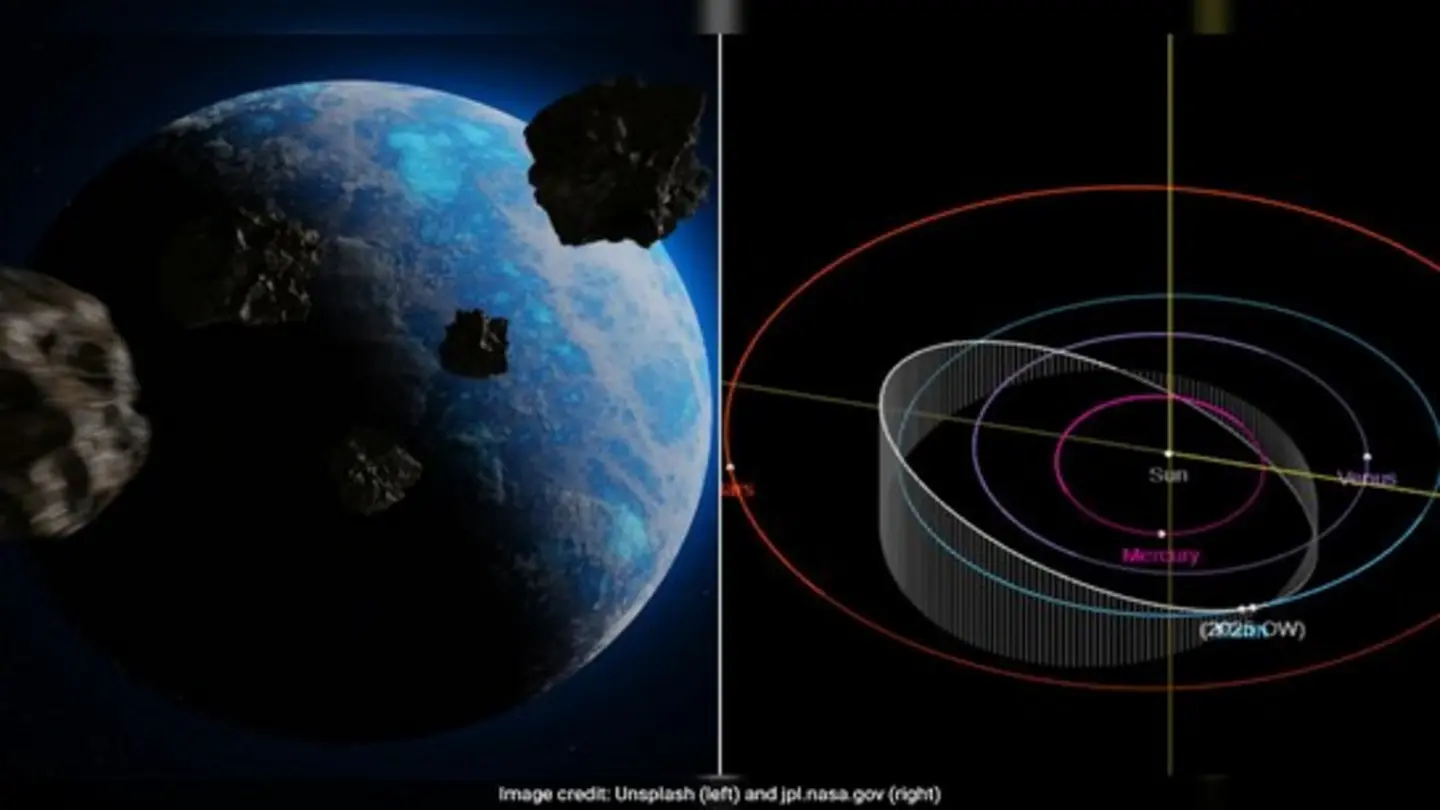
Citizens can track the asteroid’s journey using online resources, such as NASA’s website, where they can find visualizations of the object’s orbit and information about its size and distance from Earth. These resources promote public awareness and understanding of space science and planetary defense efforts. The event is expected to culminate in the asteroid passing by the Earth safely.
Image Source: Google | Image Credit: Respective Owner