Delhi-NCR is currently experiencing a surge in cases of the H3N2 virus, a subtype of influenza A. Health officials are closely monitoring the situation and advising residents to take precautions. The H3N2 virus is known to cause respiratory illness with symptoms similar to those of the common flu, but can sometimes lead to more severe complications, especially in vulnerable populations.
The rise in cases has prompted increased awareness campaigns aimed at educating the public about the virus, its transmission, and preventive measures. Health experts emphasize the importance of early detection and prompt medical attention, particularly for individuals with underlying health conditions, the elderly, and young children.
Common Symptoms of H3N2
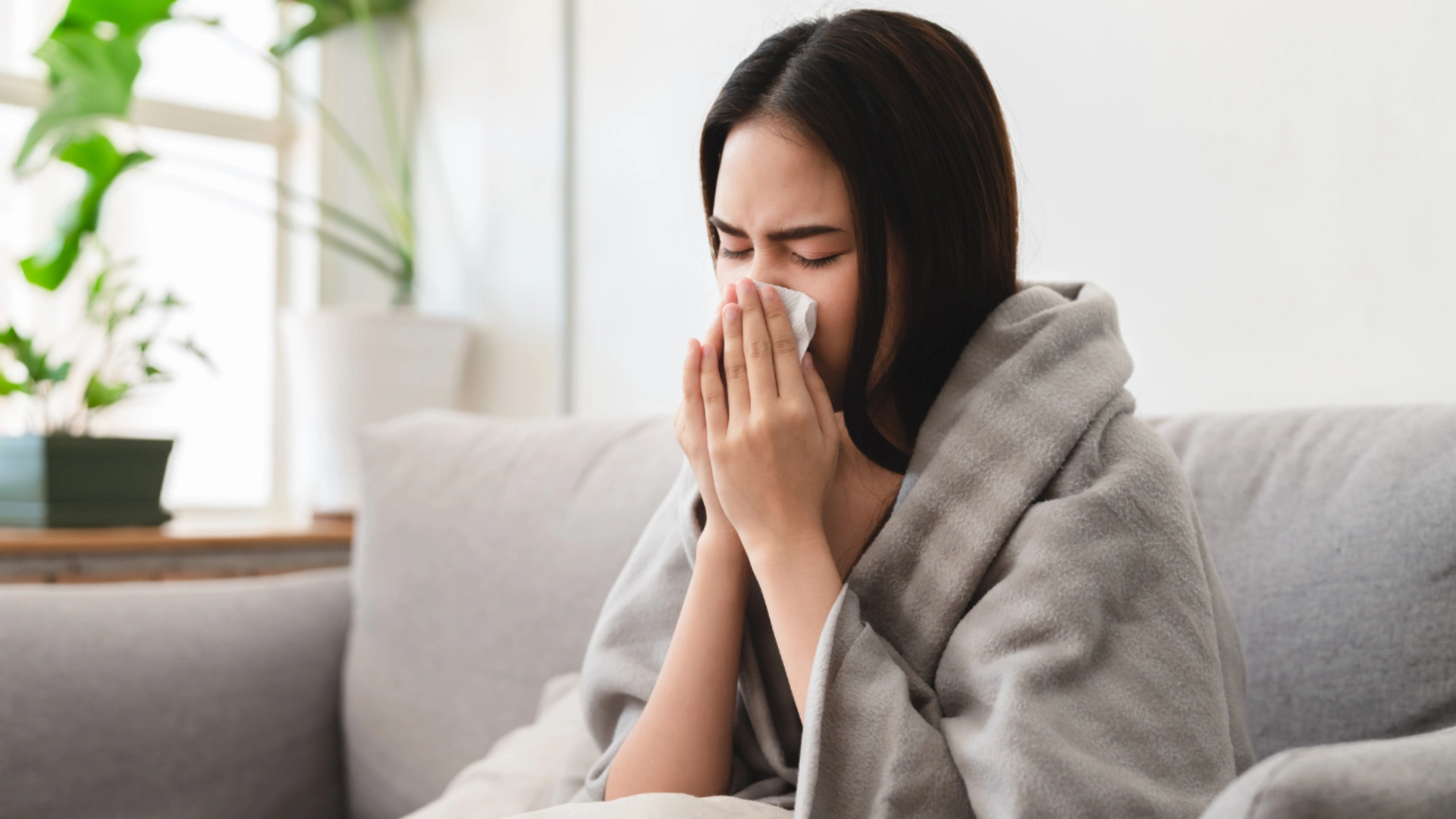
Understanding the symptoms of the H3N2 virus is crucial for early detection and timely treatment. The most common symptoms include fever, cough, sore throat, runny or stuffy nose, body aches, headache, fatigue, and sometimes, vomiting and diarrhea. It’s important to note that not everyone infected with the virus will experience all of these symptoms, and the severity can vary from person to person.
Differentiating H3N2 symptoms from those of the common cold or other respiratory infections can be challenging. However, H3N2 typically presents with a more sudden onset of symptoms and a higher fever. If you experience a combination of these symptoms, especially with a high fever, it’s advisable to consult a healthcare professional for proper diagnosis and guidance.
Preventive Measures and Treatment
Preventing the spread of the H3N2 virus involves practicing good hygiene habits. These include frequent handwashing with soap and water, especially after coughing or sneezing; avoiding touching your eyes, nose, and mouth; covering your mouth and nose with a tissue when coughing or sneezing; and avoiding close contact with people who are sick.
Vaccination is also an effective way to protect against the H3N2 virus. While the flu vaccine may not provide complete protection, it can significantly reduce the severity of symptoms and the risk of complications. Antiviral medications are available for treating H3N2, but they are most effective when started within the first 48 hours of symptoms. Rest, hydration, and over-the-counter pain relievers can help alleviate symptoms and promote recovery. Staying home when sick is essential to prevent further spread of the virus within the community. Public health officials continue to urge vigilance and adherence to recommended guidelines to mitigate the impact of the H3N2 surge.
Image Source: Google | Image Credit: Respective Owner