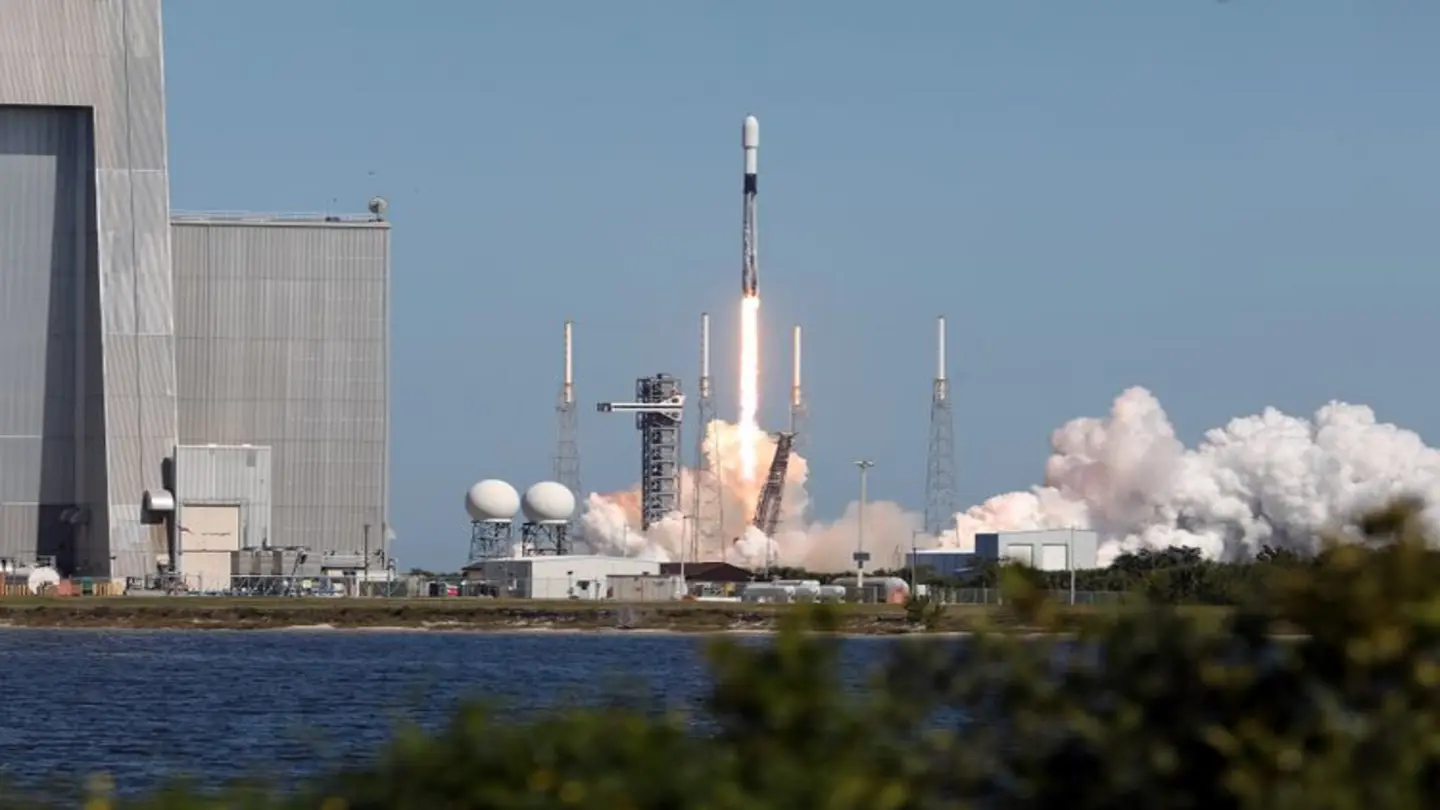
A critical resupply mission to the International Space Station (ISS) has been delayed due to an engine issue with the Northrop Grumman Cygnus spacecraft. The Cygnus XL, carrying essential cargo, scientific experiments, and supplies for the ISS crew, encountered an anomaly during pre-launch checks, forcing NASA and Northrop Grumman to postpone the launch indefinitely.
The specific nature of the engine problem remains undisclosed, but sources indicate it involves a malfunction in the spacecraft’s propulsion system. Engineers are working diligently to diagnose and rectify the issue, prioritizing safety and mission success. NASA officials have emphasized that the delay will not immediately impact ongoing research or crew operations aboard the ISS, as there are sufficient reserves of essential supplies onboard.
Impact on ISS Research
However, a prolonged delay could potentially affect the timeline of certain scientific experiments that rely on the arrival of specific equipment and materials being transported by the Cygnus. The cargo includes several payloads designed to study a range of phenomena in the unique microgravity environment of space, including research into advanced materials, plant growth, and human physiology. These experiments are crucial for advancing our understanding of science and preparing for future long-duration space missions.
The Cygnus spacecraft, named after the constellation Cygnus the Swan, plays a vital role in the ongoing operation of the ISS. It is an unmanned cargo carrier that has been used to transport supplies, equipment, and scientific experiments to the orbiting laboratory since 2013. Its ability to deliver large payloads makes it an indispensable component of the international space program. The spacecraft also serves a secondary purpose by disposing of trash and unwanted equipment by burning up harmlessly in Earth’s atmosphere during reentry.
Northrop Grumman’s Response
Northrop Grumman, the manufacturer of the Cygnus, has a dedicated team of engineers and technicians working to resolve the engine problem. They are conducting thorough tests and inspections to determine the root cause of the malfunction and develop a comprehensive repair plan. The company is committed to ensuring the safe and reliable delivery of the cargo to the ISS as soon as possible. Updates on the progress of the investigation and the revised launch schedule will be provided as they become available. NASA and Northrop Grumman are working in close collaboration to address the issue and minimize any disruption to the ISS mission.
The delay highlights the inherent risks and challenges associated with spaceflight, where even minor technical glitches can have significant consequences. It underscores the importance of rigorous testing and quality control measures to ensure the safety and success of space missions. Despite this setback, both NASA and Northrop Grumman remain committed to supporting the ISS and continuing the vital research being conducted in space.
The next launch window will be determined after the engine issue is fully resolved and the Cygnus XL is deemed ready for flight. The space community is keenly awaiting the successful completion of the mission, which will contribute to the ongoing scientific endeavors and the overall sustainability of the International Space Station.
Image Source: Google | Image Credit: Respective Owner