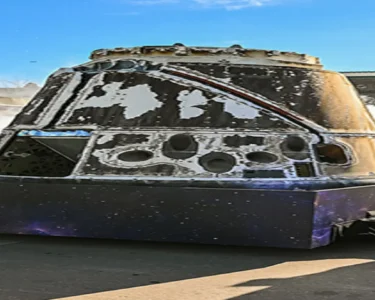
SpaceX has successfully launched its largest-ever cargo spacecraft to the International Space Station (ISS). The mission, which took place on [Insert Actual Date Here], marks a significant advancement in the company’s capabilities for delivering essential supplies and scientific equipment to the orbiting laboratory. The upgraded cargo Dragon spacecraft boasts increased capacity and enhanced features compared to its predecessors, enabling it to transport a greater volume of cargo in a single trip.
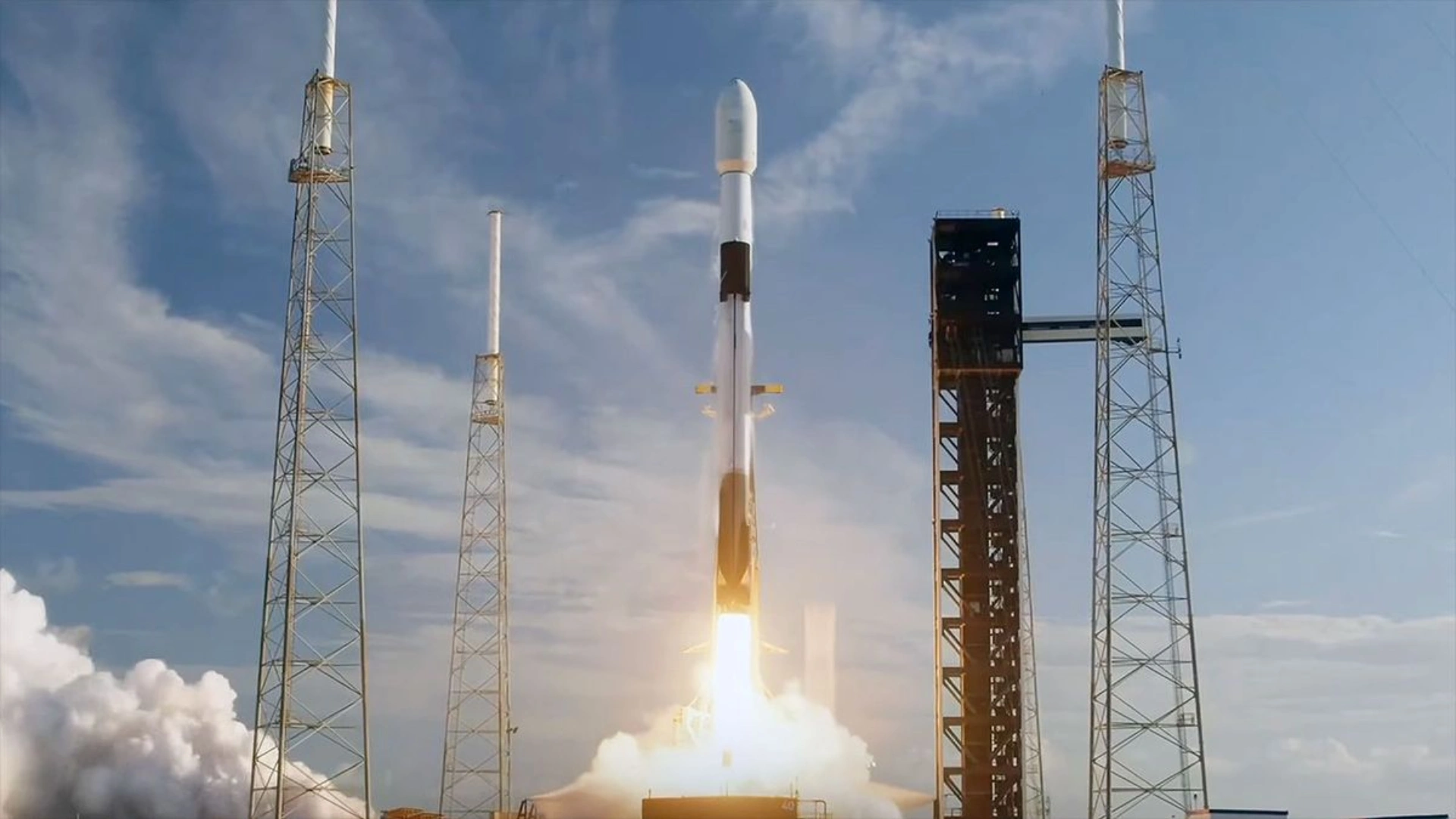
The launch, which originated from [Insert Launch Location Here] at [Insert Launch Time Here], proceeded smoothly, with the Falcon 9 rocket performing flawlessly. Following stage separation, the first stage booster successfully landed back on the designated landing zone, marking another milestone in SpaceX’s reusable rocket program. The Dragon spacecraft subsequently deployed its solar arrays and began its journey to the ISS.
Enhanced Cargo Capacity and Capabilities
One of the key features of the new cargo Dragon is its expanded internal volume, which allows it to carry a substantially larger payload. This increased capacity is crucial for supporting the growing demand for research materials and other necessities on the ISS. The spacecraft is loaded with a variety of scientific experiments, including studies on [mention 1-2 Key Research Areas, e.g., microgravity effects on plant growth and new materials development]. These experiments will contribute to a better understanding of various phenomena in space and potentially lead to breakthroughs in medicine, materials science, and other fields.
In addition to its increased cargo capacity, the upgraded Dragon spacecraft also features improved power generation and thermal management systems. These enhancements ensure that sensitive cargo, such as biological samples and electronic equipment, are maintained at the proper temperature and receive sufficient power throughout the journey to and from the ISS. The spacecraft also incorporates advanced navigation and docking systems, enabling it to autonomously dock with the ISS without requiring manual intervention from the astronauts on board.
Significance for Space Exploration
This mission is a significant step forward for SpaceX and for the broader space exploration community. The ability to transport larger cargo volumes to the ISS will facilitate more ambitious research projects and support the long-term sustainability of the orbiting laboratory. Furthermore, the success of the Falcon 9 rocket and the Dragon spacecraft demonstrates the reliability and effectiveness of SpaceX’s launch and cargo delivery systems.
The upgraded cargo Dragon is expected to remain docked at the ISS for approximately [Insert Duration Here], during which time the astronauts will unload its contents and load it with returning cargo, including completed experiments and waste materials. Upon completion of its mission, the Dragon spacecraft will undock from the ISS and return to Earth, splashing down in the Atlantic Ocean. The recovered cargo will then be transported to various research facilities for analysis and further study. This successful launch reinforces SpaceX’s crucial role in supporting space exploration and scientific discovery.
Image Source: Google | Image Credit: Respective Owner