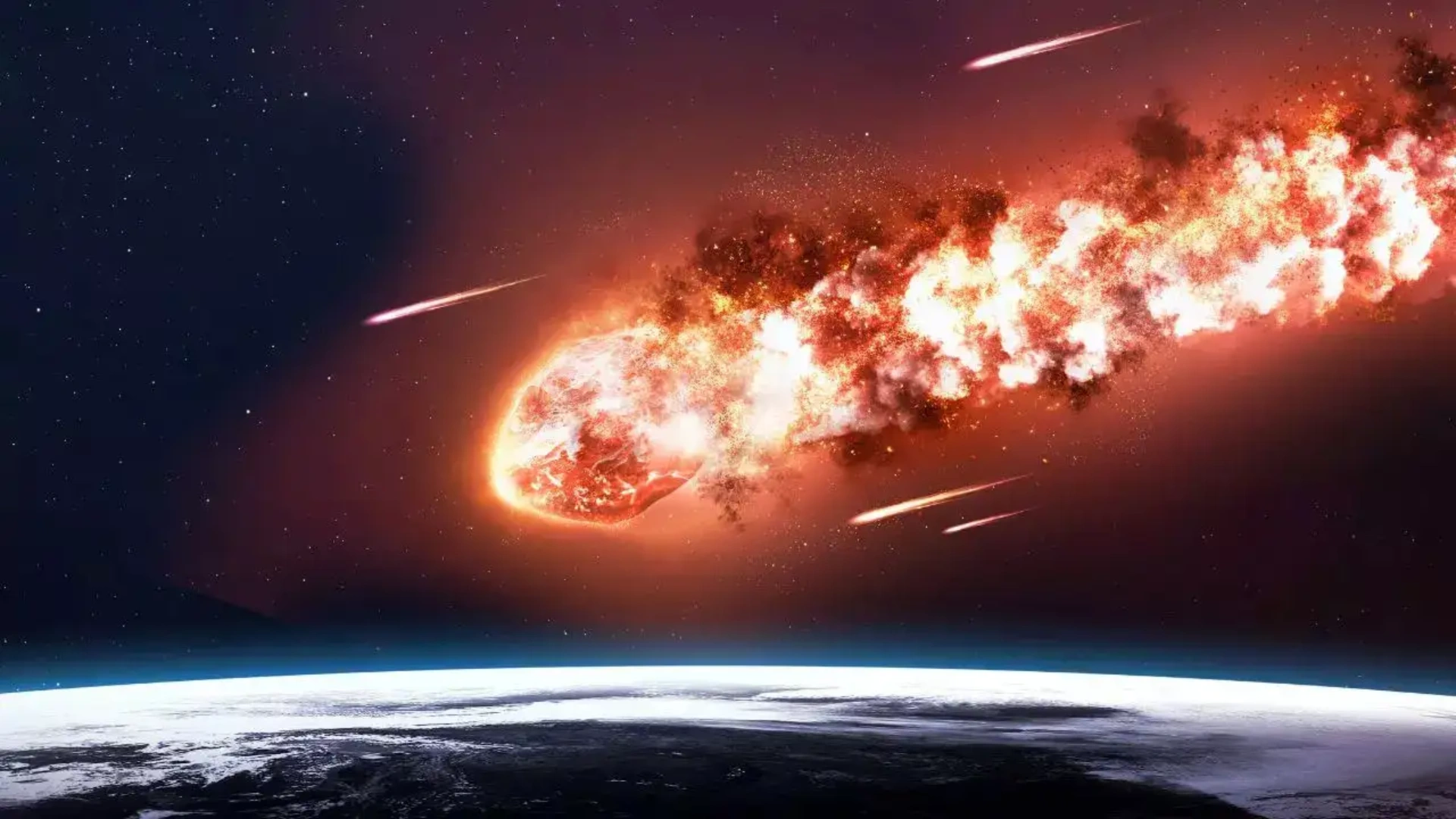
A substantial asteroid, estimated to be 520 feet in diameter, is projected to make a close approach to Earth on September 18, according to NASA’s Center for Near Earth Object Studies (CNEOS). The asteroid, designated as 2023 SV5, is currently being tracked by NASA to precisely determine its trajectory and assess any potential risks. While classified as a Near-Earth Object (NEO), current projections indicate a safe passage, with the asteroid expected to remain a considerable distance from our planet.
Tracking Near-Earth Objects
NASA’s CNEOS plays a crucial role in identifying, tracking, and characterizing NEOs, which include asteroids and comets that orbit the Sun and come within a certain distance of Earth’s orbit. The center uses telescopes and radar systems to gather data on these objects, calculating their orbits and predicting their future movements. This ongoing monitoring is essential for planetary defense efforts, allowing scientists to identify potential threats and develop strategies to mitigate any risks. Asteroid 2023 SV5 is one of many such objects being actively monitored by NASA.
The term ‘close approach’ in astronomical terms does not necessarily imply danger. It simply indicates that the object will pass within a relatively short distance compared to the vastness of space. In the case of 2023 SV5, the projected distance at its closest approach is still significant, ensuring no immediate threat to Earth. NASA continuously refines its calculations as more data becomes available, providing increasingly accurate predictions.
Asteroids like 2023 SV5 are remnants from the early formation of our solar system, offering valuable insights into the conditions and processes that shaped the planets. Studying these objects helps scientists understand the composition of the early solar system and the potential for delivering water and organic molecules to Earth and other planets. Space agencies around the world have launched missions to study asteroids up close, collecting samples and conducting detailed analyses.
While the vast majority of NEOs pose no threat to Earth, the ongoing monitoring and research efforts are crucial for ensuring planetary safety. NASA and other organizations are actively developing technologies and strategies for deflecting potentially hazardous asteroids, including kinetic impactors and gravity tractors. These methods aim to alter the trajectory of an asteroid, nudging it away from a collision course with Earth. The information gained from tracking asteroids like 2023 SV5 contributes significantly to these planetary defense initiatives.
The close approach of 2023 SV5 serves as a reminder of the dynamic nature of our solar system and the importance of continuous monitoring of NEOs. While this particular asteroid poses no threat, the ongoing efforts to track and study these objects are vital for protecting our planet from potential future impacts. The data collected from these observations enhances our understanding of the solar system’s formation and evolution, providing valuable insights into the origins of Earth and the potential for life beyond our planet.
Image Source: Google | Image Credit: Respective Owner