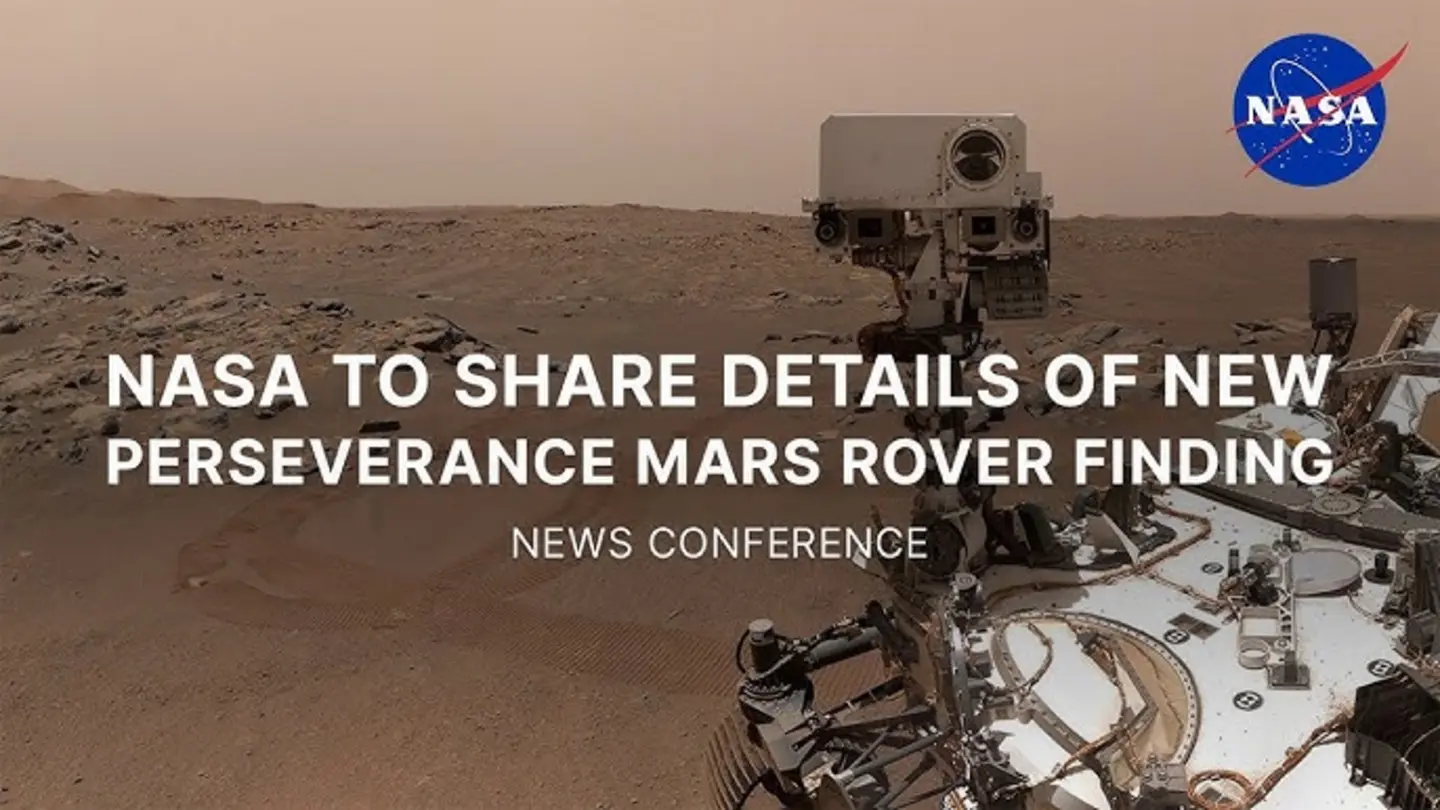
Did NASA’s new Mars rover make a groundbreaking discovery? Recent speculation suggests the possibility of finding signs of water, oxygen, or even life on the red planet. The rover, equipped with advanced scientific instruments, is currently exploring the Martian surface, analyzing soil samples, and gathering data to determine if Mars could have ever supported microbial life.
Search for Habitable Conditions
The primary mission of the rover is to assess the past habitability of Mars and search for potential biosignatures, indicators of past or present life. Scientists are particularly interested in identifying locations where liquid water may have existed on the surface. Water is considered a crucial ingredient for life as we know it, and its presence, even in the past, would significantly increase the chances of finding evidence of life.
The rover is equipped with tools to analyze the chemical composition of Martian rocks and soil, searching for organic molecules, the building blocks of life. It can also detect the presence of water in the form of ice or hydrated minerals. While the discovery of organic molecules would not be conclusive evidence of life, it would be a significant step towards understanding the planet’s potential for supporting life.
Detecting Oxygen on Mars
Another area of interest is the detection of oxygen on Mars. Although the Martian atmosphere is thin and primarily composed of carbon dioxide, scientists have observed fluctuations in oxygen levels. The source of this oxygen is currently unknown, but it could be related to geological processes or, potentially, even biological activity.
The rover is monitoring oxygen levels in the Martian atmosphere and analyzing the composition of surface materials to understand the sources and sinks of oxygen. This research could shed light on the history of the Martian atmosphere and its potential to support life.
Implications of Discovery
The potential discovery of water, oxygen, or life on Mars would have profound implications for our understanding of the universe and our place within it. It would suggest that life may not be unique to Earth and that other planets may harbor the potential for life. Such a discovery would undoubtedly fuel further exploration of Mars and other potentially habitable worlds in our solar system and beyond.
NASA has not yet made any official announcements regarding the discovery of life or other significant findings. The rover’s mission is ongoing, and scientists are meticulously analyzing the data it is collecting. Any definitive conclusions will require rigorous scientific scrutiny and confirmation from multiple sources.
The world eagerly awaits updates from NASA, hoping that the new rover will provide groundbreaking insights into the mysteries of Mars and the potential for life beyond Earth. The mission represents a significant step forward in our quest to understand our universe and the possibilities that it holds.
Image Source: Google | Image Credit: Respective Owner