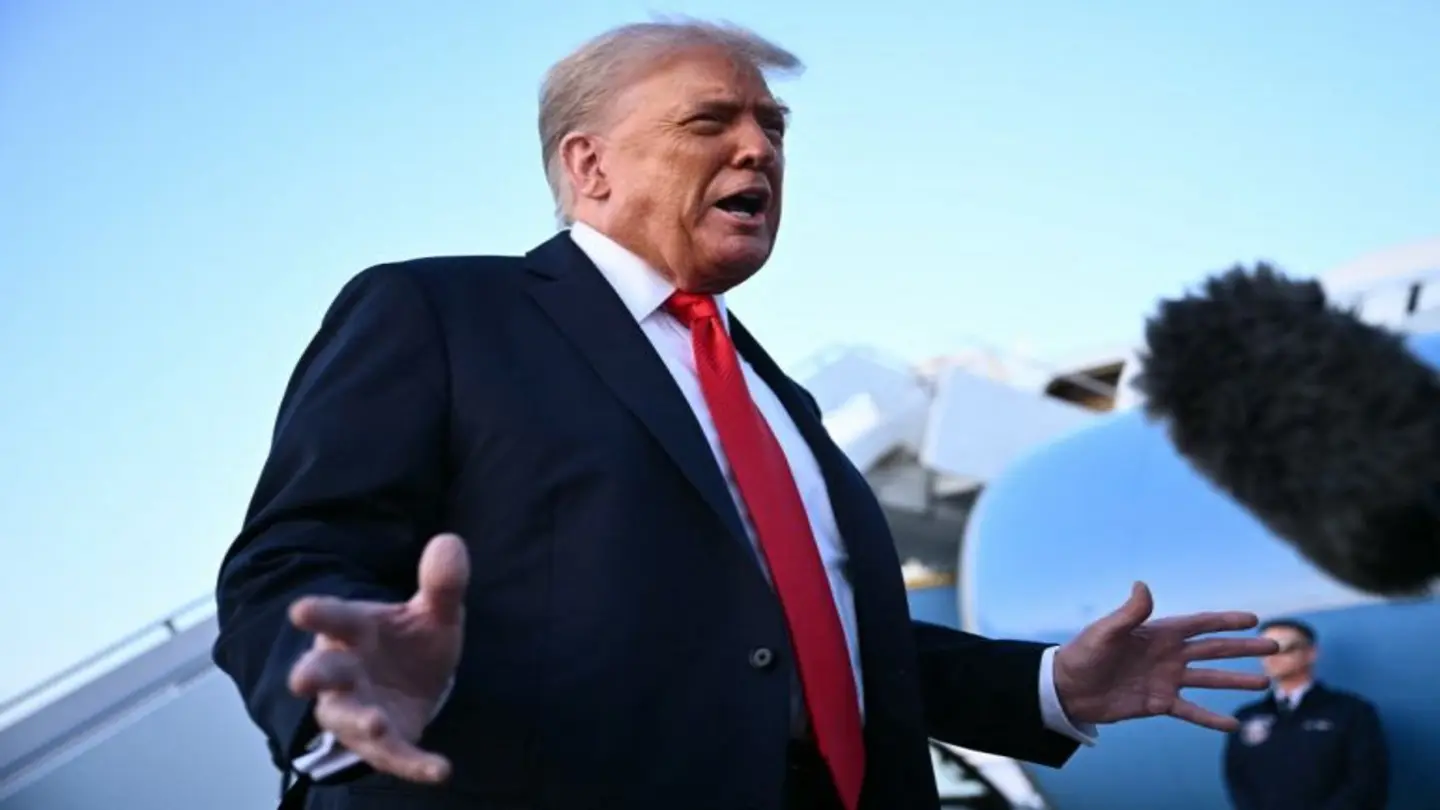
Donald Trump’s suggestion that the European Union and NATO should impose tariffs on India and China is sparking debate about the feasibility and implications of such a move. The proposal aims to address trade imbalances and exert economic pressure on these nations, but it raises complex questions about international trade law, geopolitical dynamics, and the potential for retaliatory measures.
The Legal and Practical Challenges
Implementing tariffs requires navigating intricate trade agreements and regulations governed by the World Trade Organization (WTO). Both the EU and NATO member states are bound by WTO rules, which promote free and fair trade among nations. Imposing tariffs without justifiable grounds, such as proven unfair trade practices, could lead to legal challenges and retaliatory actions from the targeted countries. Furthermore, NATO is primarily a military alliance, and its involvement in trade policy could blur the lines of its mandate, potentially causing internal divisions among member states.
From a practical standpoint, the EU and NATO would need to coordinate their policies to ensure a unified front. This coordination could prove difficult, given the diverse economic interests and political priorities of the member states. Some countries may be more reliant on trade with India and China than others, making them hesitant to support tariffs that could harm their economies. Additionally, the effectiveness of tariffs depends on the willingness of consumers to absorb higher prices or switch to alternative sources of goods. If demand remains strong, the tariffs may simply increase costs for businesses and consumers without significantly impacting the targeted countries.
Geopolitical Implications
The proposal also carries significant geopolitical implications. Imposing tariffs on India and China could strain relations with these countries, potentially leading to diplomatic tensions and economic retaliation. India, with its growing economy and strategic importance, is an increasingly important partner for both the EU and NATO. Similarly, China’s economic influence and global presence make it a critical player in international affairs. Alienating these countries through trade barriers could have far-reaching consequences for global stability and cooperation on issues such as climate change, security, and global health.
Moreover, the move could push India and China closer together, creating a powerful economic bloc that could challenge the dominance of the EU and the United States. Such a scenario could reshape the global balance of power and create new challenges for Western democracies. The EU and NATO must carefully weigh the potential benefits of tariffs against the risks of escalating trade tensions and undermining international cooperation.
Ultimately, the decision to impose tariffs on India and China will depend on a complex assessment of legal, economic, and geopolitical factors. While the proposal may offer a short-term solution to trade imbalances, it could also trigger unintended consequences that could harm global stability and prosperity. A more nuanced approach, focused on dialogue, negotiation, and addressing specific trade concerns, may be a more effective way to achieve long-term trade balance and foster constructive relations with India and China.
Image Source: Google | Image Credit: Respective Owner