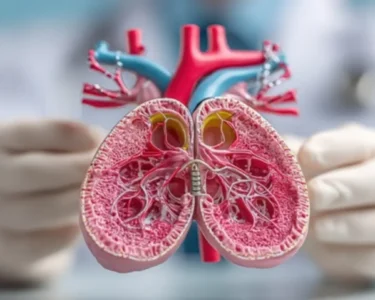
Global deaths from cancer, heart disease, and stroke are decreasing, signaling progress in combating these major health challenges. However, a parallel warning highlights the rising threat of other diseases, demanding a shift in global health priorities. This evolving landscape necessitates a comprehensive approach to address both existing and emerging health risks effectively.
Declining Mortality Rates
The decline in deaths from cancer, heart disease, and stroke reflects advancements in medical treatments, preventative measures, and public health awareness campaigns. Early detection programs, improved therapies, and lifestyle modifications have contributed significantly to this positive trend. This progress underscores the importance of continued investment in research and healthcare infrastructure to further reduce mortality rates from these conditions.
Specifically, innovations in cancer treatments, such as targeted therapies and immunotherapies, have shown promise in improving patient outcomes and extending survival rates. Similarly, advancements in cardiovascular care, including minimally invasive procedures and medications to manage blood pressure and cholesterol, have helped to lower the incidence of heart attacks and strokes. Public health initiatives promoting healthy diets, regular exercise, and smoking cessation have also played a crucial role in preventing these diseases.
Emerging Disease Threats
Despite the encouraging decline in deaths from major chronic diseases, the emergence of new and re-emerging infectious diseases poses a significant challenge to global health security. Factors such as climate change, urbanization, and increased international travel contribute to the spread of these diseases, requiring vigilant monitoring and rapid response strategies.
Furthermore, the rise of antimicrobial resistance (AMR) threatens the effectiveness of existing treatments for bacterial infections, making it more difficult to combat these illnesses. The overuse and misuse of antibiotics in human and animal health have accelerated the development of AMR, necessitating urgent action to promote responsible antibiotic use and develop new antimicrobial agents.
Addressing the Evolving Landscape
To effectively address the evolving global health landscape, a multi-faceted approach is essential. This includes strengthening healthcare systems, investing in research and development, promoting public health awareness, and fostering international collaboration. Prioritizing preventative measures, such as vaccination programs and health screenings, can help to reduce the burden of both chronic and infectious diseases.
Additionally, addressing the social determinants of health, such as poverty, inequality, and lack of access to education and clean water, is crucial for improving overall health outcomes. By tackling these underlying factors, we can create healthier and more resilient communities that are better equipped to withstand health challenges.
In conclusion, while the decline in deaths from cancer, heart disease, and stroke is a positive development, the rising threat of other diseases necessitates a comprehensive and proactive approach to global health. By investing in research, strengthening healthcare systems, and promoting public health awareness, we can protect populations from both existing and emerging health risks and ensure a healthier future for all.
Image Source: Google | Image Credit: Respective Owner