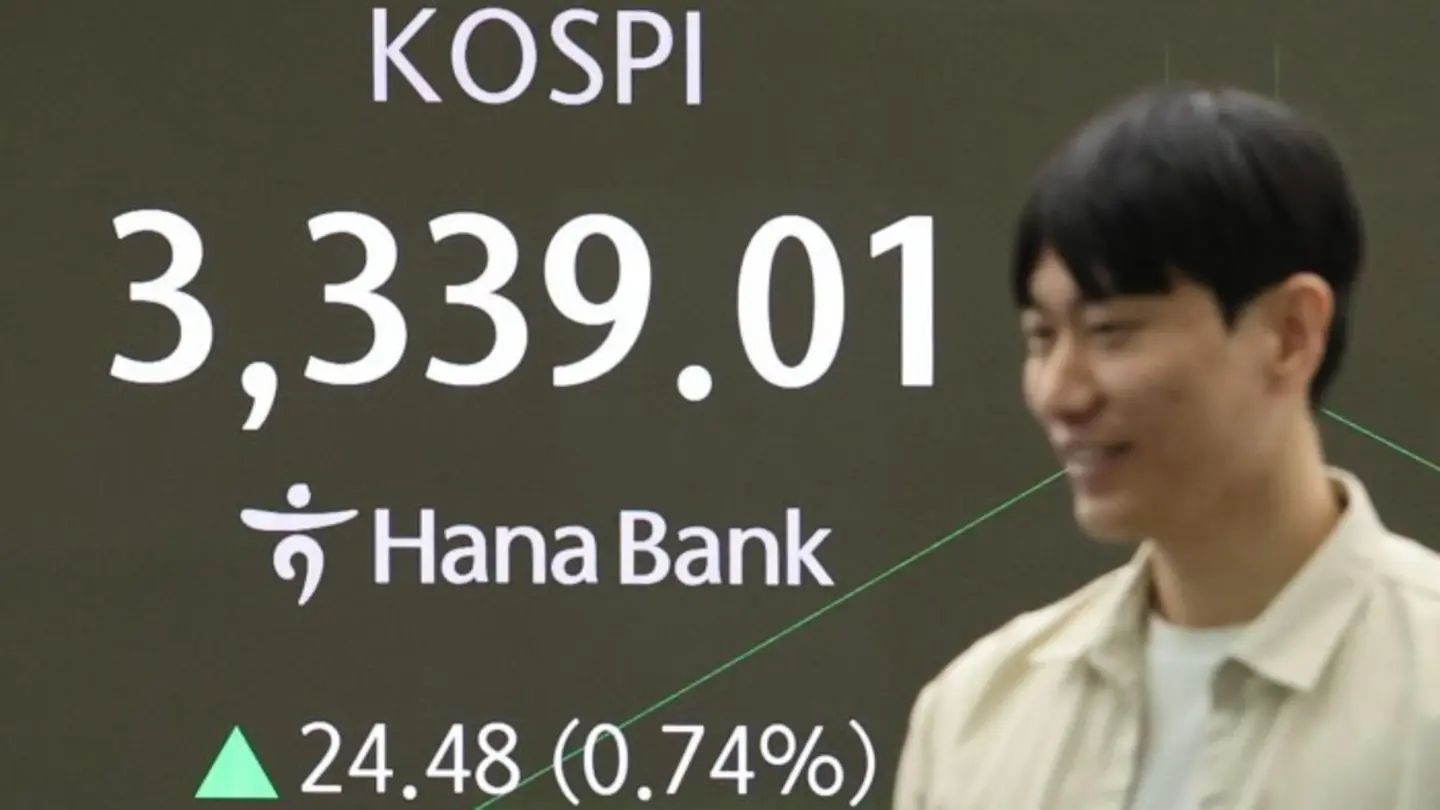
South Korea’s Kospi index soared to a record high, fueled by the government’s decision to abandon a proposed tax-hike plan. The benchmark index surpassed previous peaks, reflecting renewed investor confidence and optimism regarding the nation’s economic outlook. The reversal of the tax policy, initially aimed at increasing government revenue, has been welcomed by market participants who believe it will boost corporate profitability and investment.
Market Reaction
The Kospi’s surge underscores the sensitivity of financial markets to fiscal policy changes. The now-defunct tax-hike proposal had previously cast a shadow over the market, triggering concerns about potential negative impacts on corporate earnings and investment. The government’s about-face has effectively removed this uncertainty, paving the way for a more bullish sentiment among investors. Trading volumes have also increased, indicating strong participation and a broad-based rally across various sectors.
Analysts note that the Kospi’s performance is also indicative of the underlying strength of the South Korean economy. Despite global economic headwinds and uncertainties, the country has demonstrated resilience, driven by its robust export sector and technological innovation. Key industries, including semiconductors, automobiles, and electronics, continue to be major contributors to economic growth. The government’s commitment to supporting these sectors through favorable policies has further bolstered investor confidence.
Impact on Key Sectors
The financial sector has particularly benefited from the policy reversal, as banks and insurance companies are poised to experience improved profitability. Technology stocks, which constitute a significant portion of the Kospi, have also witnessed substantial gains, reflecting optimism about future growth prospects. Consumer discretionary stocks have also risen, signaling increased consumer spending and confidence.
The government’s decision is seen as a strategic move to stimulate economic activity and attract foreign investment. By maintaining a favorable tax environment, South Korea aims to enhance its competitiveness and position itself as a preferred destination for global capital. The move is also expected to encourage domestic companies to reinvest their profits, fostering innovation and job creation. However, some critics argue that abandoning the tax hike may lead to a widening fiscal deficit, requiring the government to explore alternative revenue sources.
Looking ahead, market participants will be closely monitoring economic data releases and corporate earnings reports to gauge the sustainability of the Kospi’s rally. Geopolitical developments and global economic trends will also play a crucial role in shaping investor sentiment. While the near-term outlook appears positive, analysts caution against complacency and advise investors to remain vigilant and adopt a diversified investment strategy.
In conclusion, South Korea’s Kospi index reaching a record high after the government scrapped its tax-hike plan highlights the intricate relationship between fiscal policy and market performance. The reversal has instilled renewed confidence among investors, bolstering the overall economic outlook and setting the stage for potential further gains in the months ahead. The Kospi’s performance reflects the inherent strengths of the South Korean economy and its ability to navigate global uncertainties effectively.
Image Source: Google | Image Credit: Respective Owner