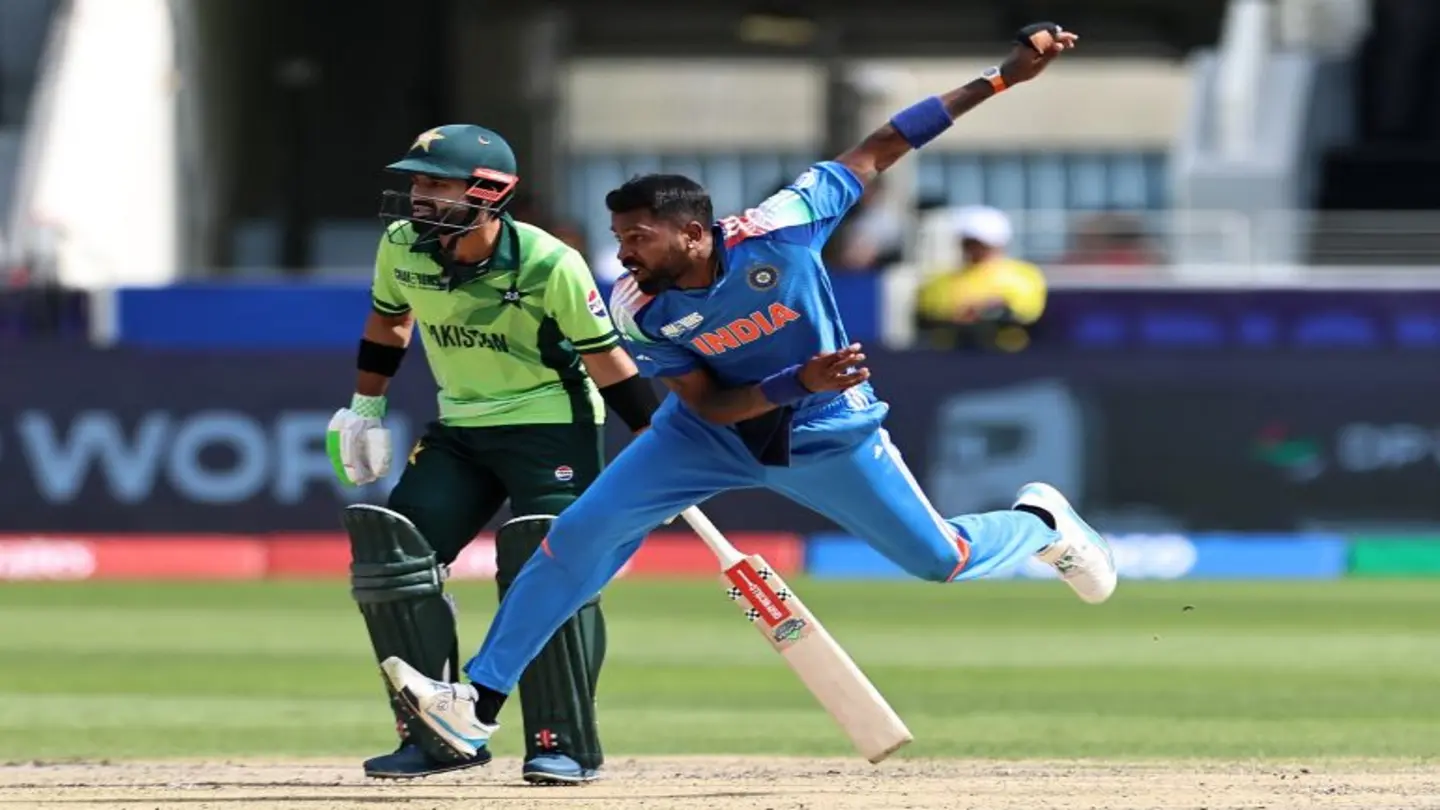
An unnamed former Indian cricketer has declared a boycott of the highly anticipated India versus Pakistan Asia Cup match, sparking considerable discussion within the cricketing fraternity and among fans. The decision, described as a “hard-hitting remark” by The Times of India, highlights the intense emotions and complex dynamics often intertwined with matches between these two rival nations.
While the specific reasons behind the boycott remain undisclosed in the initial report, the cricketer’s stance has resonated with some segments of the fanbase, reflecting broader sentiments regarding political tensions and historical rivalries that often overshadow the sport. This announcement arrives amidst fervent preparations for the Asia Cup, where India and Pakistan are scheduled to face off in what is invariably a high-stakes encounter.
Reactions and Implications
The boycott declaration has elicited a range of reactions from fans and commentators alike. Some have voiced support for the cricketer’s decision, citing principles and solidarity, while others have expressed disappointment, emphasizing the unifying power of sport and the excitement surrounding the match. The incident underscores the intricate relationship between sports, politics, and national identity, particularly in the context of India-Pakistan relations.
The implications of such a public stance could extend beyond individual sentiment. It may potentially influence other prominent figures or even impact viewership numbers, although the sheer popularity of India-Pakistan matches typically ensures substantial audience engagement. The incident serves as a reminder of the weight that athletes and public figures carry, and their potential to shape public discourse.
Context of the Asia Cup
The Asia Cup is a prestigious tournament that features the leading cricket nations in Asia, including India, Pakistan, Sri Lanka, Bangladesh, and Afghanistan. The tournament provides a platform for these teams to compete for regional supremacy and serves as a crucial preparation ground for major international events like the Cricket World Cup. The India-Pakistan clash is frequently the most anticipated match of the tournament, drawing massive global viewership.
The upcoming match holds particular significance as both teams aim to fine-tune their strategies and team compositions ahead of the World Cup. Beyond the competitive aspect, the match also symbolizes a cultural and historical narrative that intensifies the emotions and expectations surrounding the event. The unfolding situation with the ex-cricketer’s boycott adds another layer of complexity to an already highly charged atmosphere.
The story is still developing, and further details are awaited regarding the cricketer’s specific motivations and the potential impact of this decision on the broader cricketing landscape. It remains to be seen whether this boycott will inspire others to take similar actions or if it will be viewed as an isolated expression of personal conviction.
Image Source: Google | Image Credit: Respective Owner