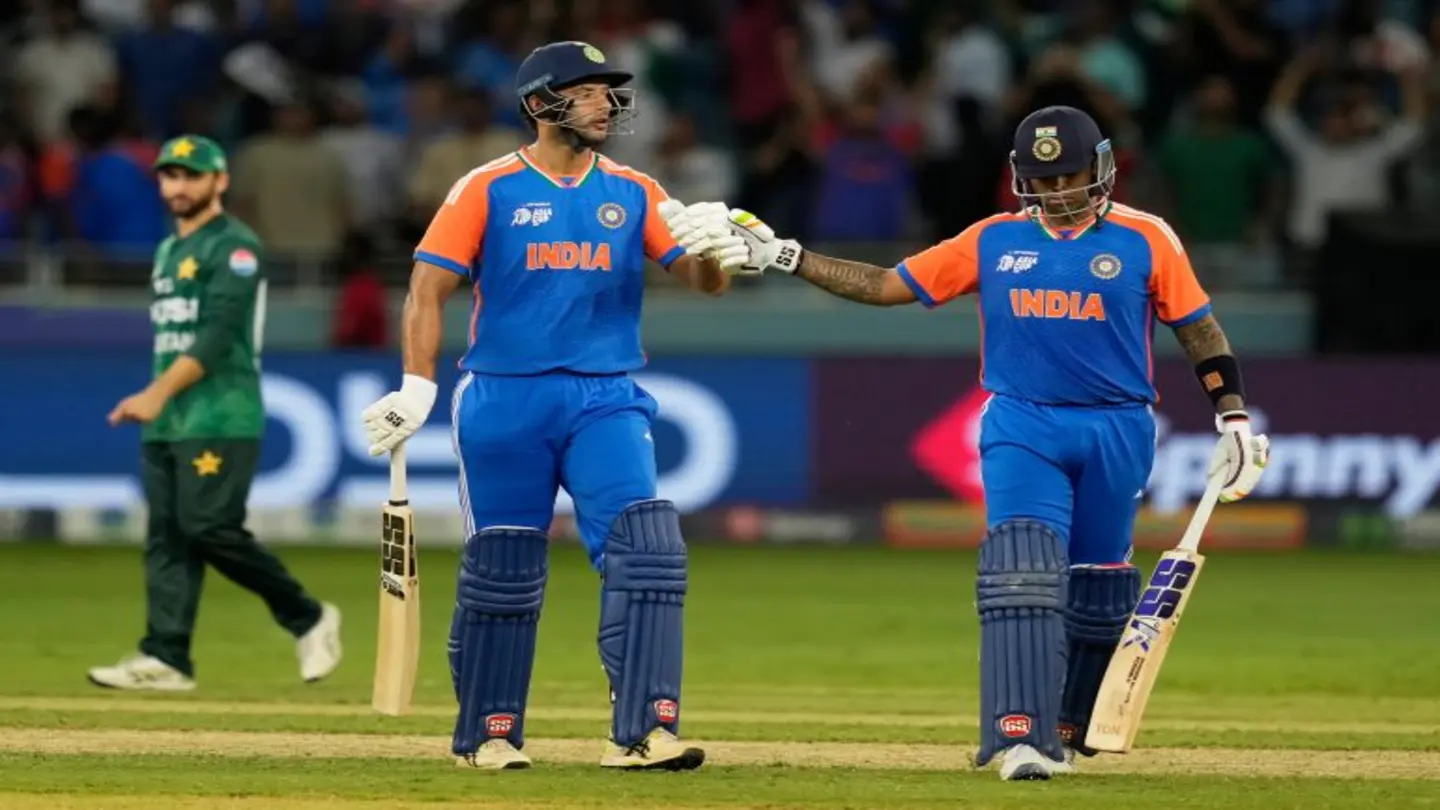
Indian cricketer Suryakumar Yadav clarified that the decision to forgo handshakes with the Pakistani team after their recent match was not pre-planned but rather a directive received from higher authorities. This revelation comes amidst speculation and discussion surrounding the perceived lack of customary post-match sportsmanship. Yadav’s statement sheds light on the complexities and protocols that govern interactions between teams, particularly in high-profile and politically charged sporting events.
The Directive
According to Yadav, the instruction regarding the handshake protocol was communicated to the team before the match. He emphasized that the players adhere to the guidelines set by the Board of Control for Cricket in India (BCCI) and the Indian government, indicating a coordinated approach to managing interactions in sensitive contexts. This decision reflects a broader strategy to navigate diplomatic and political considerations within the realm of sports.
The specifics of the directive remain undisclosed, but it is understood that such decisions are made considering various factors, including the prevailing geopolitical climate and security assessments. The BCCI, in collaboration with government bodies, assesses the potential implications of player interactions and issues guidelines to ensure the safety and decorum of the team.
Reactions and Context
The decision to abstain from handshakes sparked varied reactions among fans and commentators. Some viewed it as a deviation from the spirit of sportsmanship, while others acknowledged the underlying political tensions between India and Pakistan. The history of strained relations between the two nations often casts a shadow over their sporting encounters, influencing both the on-field dynamics and off-field interactions.
Despite the absence of handshakes, Yadav affirmed that the players maintain respect for their opponents. He noted that interactions on the field are professional and competitive, but they do not necessarily translate into personal animosity. The players understand that they represent their country and are expected to conduct themselves with dignity and restraint.
Looking Ahead
As sporting events continue to serve as a platform for national representation and international diplomacy, the management of player interactions remains a crucial aspect. The BCCI and other governing bodies are likely to refine their protocols based on evolving circumstances and feedback from stakeholders. Ensuring a balance between competitive spirit and diplomatic sensitivity will be key to fostering positive sporting relations.
The incident highlights the intricate interplay between sports, politics, and public perception, reminding us that even seemingly small gestures can carry significant weight in the global arena. The focus now shifts to future matches and how these interactions will be navigated, keeping in mind the lessons learned from this experience.
Image Source: Google | Image Credit: Respective Owner