A shocking new study reveals that 44% of adults worldwide are unaware they have diabetes, with younger adults and people in low-income regions at greater risk. This “silent epidemic” is causing unchecked damage to vital organs and remains largely undiagnosed. The study emphasizes the importance of early detection, as timely diagnosis and management can help prevent severe complications.
The Global Diabetes Crisis
Imagine living with a life-threatening condition without even knowing it. That’s the reality for nearly half of all individuals living with diabetes. A study published in The Lancet Diabetes & Endocrinology found that 44% of people aged 15 and older with diabetes remain undiagnosed. This alarming statistic is especially true for younger adults and those living in lower-income areas where access to screenings is limited.
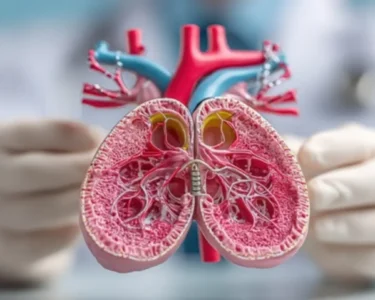
Diabetes, often called a “silent disease,” can damage the heart, kidneys, eyes, and nerves without showing symptoms. Unfortunately, many individuals miss out on early intervention because they aren’t even aware they have the condition.
Why Early Detection Matters
Once diagnosed, 91% of people receive medication, but only 42% manage their blood sugar effectively. This leaves only about 21% of people with diabetes worldwide who have it under control, according to the report. The risk of this “silent epidemic” continues to grow, especially since the global number of diabetes cases is projected to reach 1.3 billion by 2050.
The Gap in Diagnosis
Diagnosis rates are much lower in low- and middle-income countries, where access to healthcare is limited. In contrast, high-income regions, like North America, have much higher awareness and diagnosis rates. The lack of screening in these regions means that many individuals miss the opportunity for early intervention, making diabetes even more dangerous.
What is Diabetes?
Diabetes is a chronic condition where the body either doesn’t produce enough insulin or can’t use it effectively, leading to high blood sugar levels. Insulin is a hormone that helps glucose enter the cells to provide energy. When insulin doesn’t work properly, glucose stays in the bloodstream, causing long-term damage to organs like the eyes, heart, and kidneys.
There are three main types of diabetes:
- Type 1 Diabetes: The immune system attacks the insulin-producing cells in the pancreas.
- Type 2 Diabetes: The body doesn’t produce enough insulin or becomes resistant to it.
- Gestational Diabetes: A temporary form of diabetes during pregnancy due to hormonal changes.
The Dangers of Untreated Diabetes
If left untreated, diabetes increases the risk of serious health problems, including:
- Heart disease
- Stroke
- Kidney failure
- Vision loss
- Nerve damage
The longer diabetes goes unmanaged, the harder it becomes to control blood sugar and avoid complications. Early detection and treatment are critical to preventing long-term damage.
Early Symptoms of Diabetes
Recognizing the early warning signs of diabetes can make a huge difference in preventing serious complications. While many of these symptoms are subtle, they should not be ignored.
Common Early Symptoms:
- Frequent urination and excessive thirst: High blood sugar draws fluid from tissues, leaving you feeling thirsty and needing to urinate more often.
- Fatigue: When cells don’t receive enough glucose for energy, you may feel constantly tired.
- Blurred vision: High blood sugar levels can cause fluid changes in the eye, affecting focus.
- Slow-healing wounds: Diabetes impairs the body’s ability to heal and fight infections, especially on the feet.
- Unexpected weight loss: This can occur in type 1 diabetes, and even in type 2 if left untreated.
- Increased hunger or tingling in the feet: These symptoms can indicate nerve irritation or fluctuating glucose levels.
These signs might be dismissed as normal fatigue or aging, but they could be early signs of diabetes. If you notice these symptoms, it’s important to get tested.
What You Should Do
If you experience any of these symptoms or are in a high-risk group (overweight, over age 40, family history of diabetes, or from a high-risk ethnic background), it’s time to take action. Speak to your doctor about the following tests:
- Fasting Plasma Glucose Test: Measures blood sugar after fasting.
- Oral Glucose Tolerance Test: Checks how your body processes sugar.
- HbA1c Test: Measures average blood sugar over the last 2-3 months.
Healthy Lifestyle Habits
Even if you don’t have diabetes, adopting healthy habits can help prevent the condition:
- Eat a balanced diet with plenty of fiber, vegetables, and healthy fats.
- Stay active by exercising regularly.
- Maintain a healthy weight.
These steps can improve your overall health and significantly reduce the risk of developing diabetes in the future.
Image Source: Sean Gallup/Getty Images | Image Credit: Respective Owner