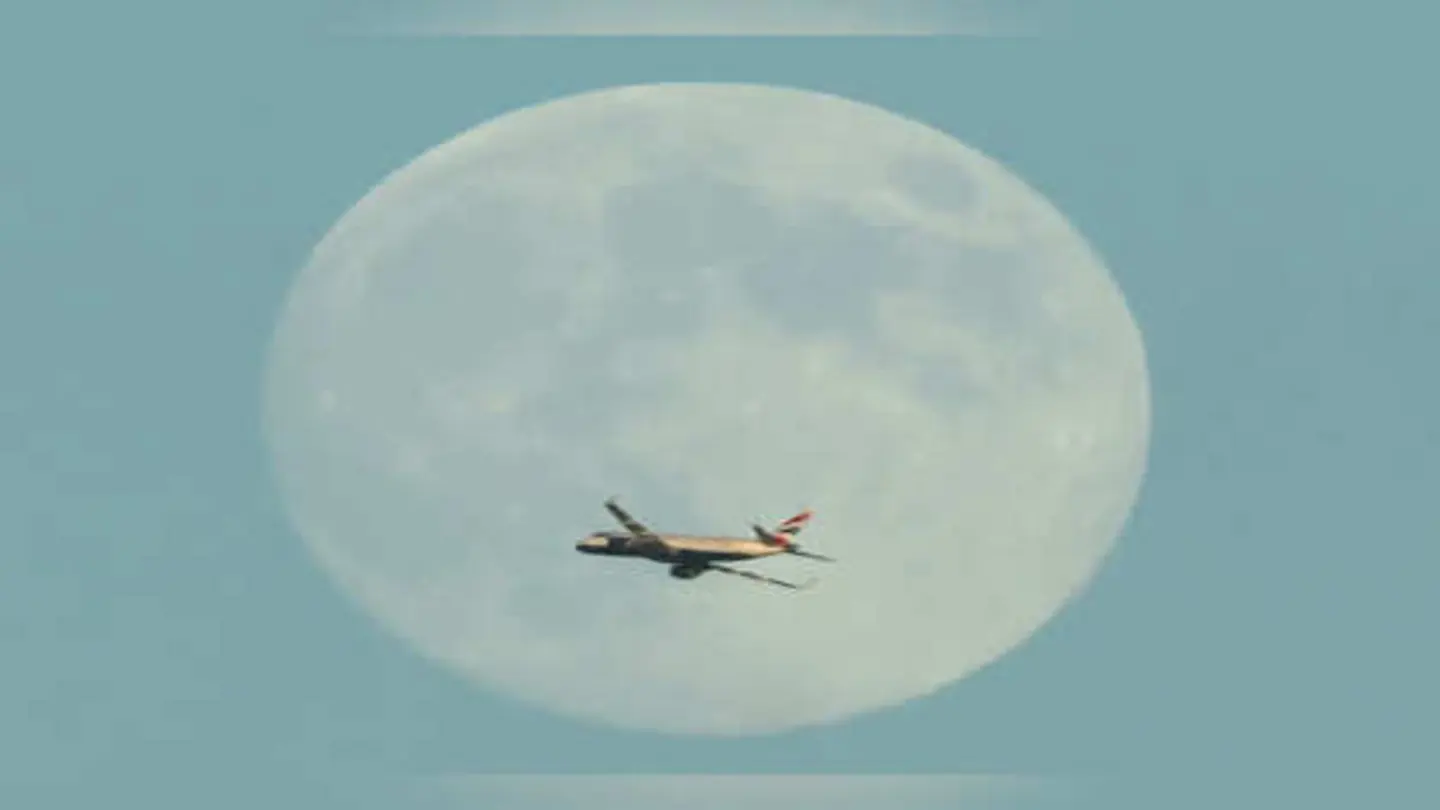
Skywatchers are in for a treat as the first full moon of 2026, a spectacular “supermoon” known as the Wolf Moon, rises tonight. This celestial event promises brighter-than-usual illumination and a visually stunning display for observers across the globe. A supermoon occurs when a full moon coincides with the moon’s closest approach to Earth in its orbit, a point known as perigee. This proximity results in a larger, brighter lunar orb as it appears from our perspective.
January’s Wolf Moon, so named by Native American tribes, traditionally signifies the time when wolves would howl more frequently due to hunger during the winter months. Though the cultural association is centuries old, the name remains popular and adds a poetic touch to this already remarkable astronomical occurrence. The exact timing of the full moon will vary depending on location, but it will generally be visible throughout the night of January 6th, 2026, reaching peak illumination in the early morning hours.
This particular Wolf Moon is special because it’s categorized as a supermoon. The moon’s orbit isn’t perfectly circular; it’s elliptical. This means its distance from Earth changes throughout the month. When a full moon happens near perigee – the closest point in its orbit – it appears significantly larger and brighter than an average full moon. The difference in size can be as much as 14%, and the brightness can increase by up to 30%.
What to Expect
Observers can expect a striking lunar spectacle that may appear up to 14% larger and 30% brighter than a typical full moon. No special equipment is needed to view the Wolf Moon; it will be readily visible with the naked eye. However, a pair of binoculars or a telescope can enhance the viewing experience, revealing more detail on the lunar surface, such as craters and mountains.
While the moon is at its brightest, it can also create challenges for stargazing, washing out fainter stars. Therefore, if you’re interested in observing other celestial objects, it’s best to do so before the moon rises or after it sets. For optimal viewing, find a location away from city lights – the darker the sky, the more prominent the supermoon will appear.
The Wolf Moon provides a fantastic photographic opportunity. Capturing it effectively requires some planning. Using a tripod is recommended to prevent blurry images, particularly with longer exposures. Experiment with different camera settings, such as aperture and shutter speed, to achieve the desired effect. Consider including foreground elements in your photos to provide scale and visual interest. Remember to share your stunning images of the Wolf Moon with fellow astronomy enthusiasts!
Looking ahead, 2026 will offer several more supermoon events. February’s Snow Moon, March’s Worm Moon, and other full moons throughout the year will also grace the skies with varying degrees of supermoon status. Keep an eye on astronomical calendars and news sources to stay informed about these upcoming celestial displays.
Image Source: Google | Image Credit: Respective Owner