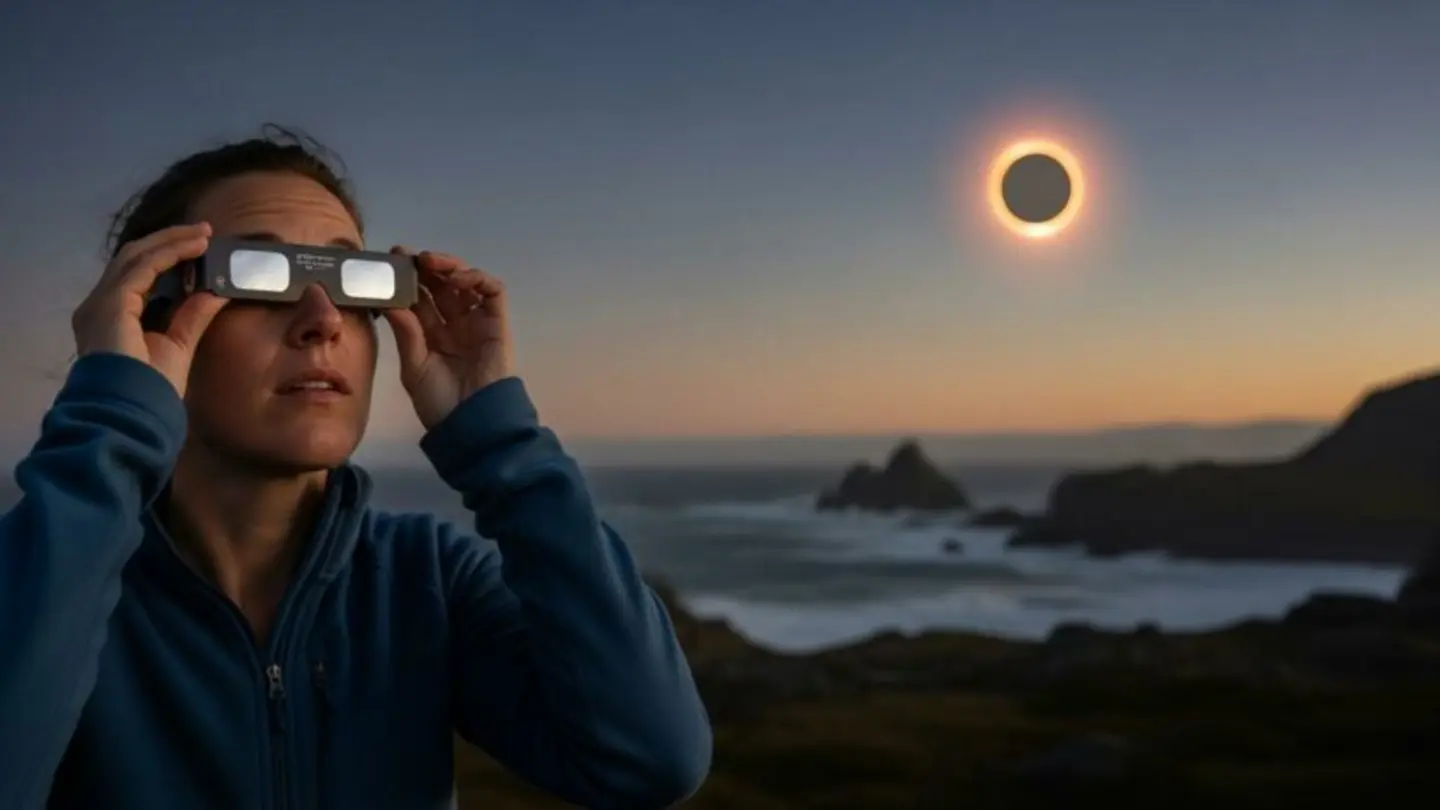
The first solar eclipse of 2026 is set to captivate skywatchers across the globe, offering a rare celestial spectacle. Scheduled to occur on [insert date], this astronomical event will be visible from several regions, providing a unique opportunity for enthusiasts and researchers alike to witness the moon’s shadow crossing the sun.
Understanding the Solar Eclipse
A solar eclipse occurs when the moon passes between the Earth and the sun, temporarily blocking the sun’s light. This phenomenon can only happen during a new moon when the sun and moon are in conjunction as seen from Earth. The 2026 eclipse is expected to be a partial eclipse in most areas, with some regions experiencing a total eclipse.
The path of totality, where the sun is completely obscured, will traverse across parts of [insert regions/countries]. Observers in these areas will have the chance to witness the sun’s corona, a breathtaking sight that is usually hidden by the sun’s bright light. For those outside the path of totality, a partial eclipse will still offer a stunning visual experience.
Viewing Safety and Precautions
While the allure of a solar eclipse is undeniable, it is crucial to prioritize safety when observing this event. Looking directly at the sun, even during an eclipse, can cause severe eye damage. Experts recommend using certified solar viewing glasses or indirect viewing methods, such as pinhole projectors, to safely enjoy the spectacle.
Additionally, photographers and astronomers are advised to use solar filters on their equipment to protect both their eyes and their devices. The 2026 eclipse presents an excellent opportunity for scientific research, as eclipses provide valuable data on the sun’s atmosphere and its effects on Earth’s environment.
Historical and Cultural Significance
Throughout history, solar eclipses have held significant cultural and scientific importance. Ancient civilizations often viewed eclipses as omens or divine messages, while modern science has used these events to advance our understanding of the universe. The 2026 eclipse continues this legacy, inspiring awe and curiosity among people worldwide.
For many cultures, eclipses are also a time for reflection and renewal. Rituals and traditions surrounding eclipses vary, but they often emphasize the interconnectedness of celestial and earthly events. As the 2026 eclipse approaches, communities around the world are preparing to celebrate this cosmic phenomenon in their unique ways.
How to Prepare for the Eclipse
To make the most of the 2026 solar eclipse, planning is essential. Start by identifying the best viewing locations in your area or within the path of totality. Many observatories and science centers will host events and provide expert guidance for safe viewing.
Mark your calendar and set reminders, as the timing of the eclipse will vary depending on your location. For those unable to witness the event in person, live streams and broadcasts will ensure that no one misses out on this extraordinary occurrence.
As the countdown to the first solar eclipse of 2026 begins, anticipation is building among astronomers, educators, and the general public. This celestial event promises to be a memorable experience, reminding us of the wonders of the universe and our place within it.
Image Source: Google | Image Credit: Respective Owner